
SpaceX Crew Dragon fleet faces uncertain future as Starship transition looms
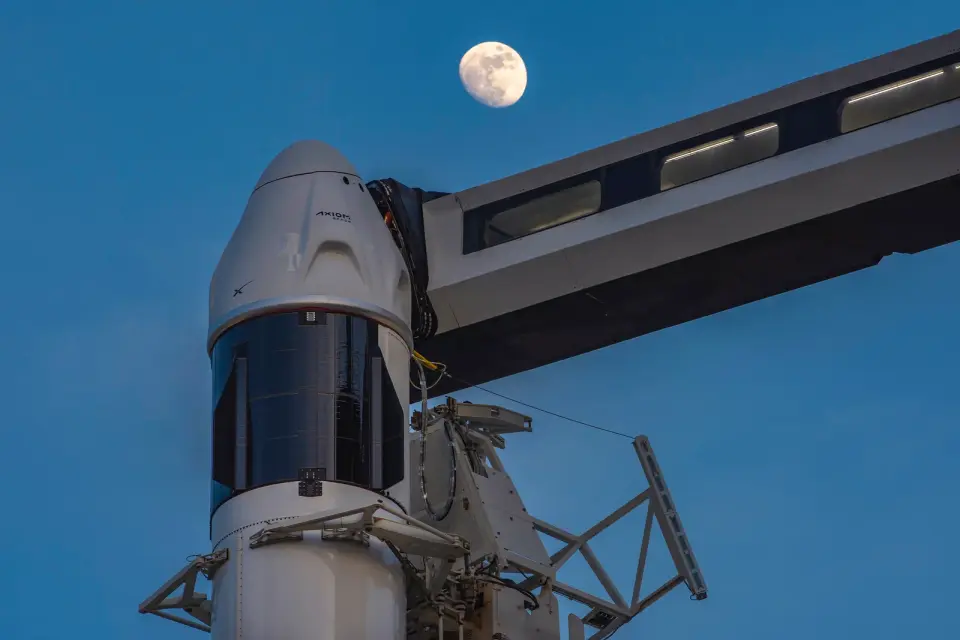
SpaceX confirms its five-ship Crew Dragon fleet has significant remaining life, but declines to confirm ongoing sales to commercial station developers as it prepares to transition crewed missions to Starship.
Key points
- SpaceX has five Crew Dragon spacecraft in service, originally certified for five missions each but extended to up to 15 missions per vehicle through work with NASA.
- The upcoming Crew-13 mission, scheduled for no earlier than September 12, will be the second flight of the spacecraft 'Grace' and SpaceX's 18th human spaceflight mission to the ISS.
- SpaceX does not plan to build additional Crew Dragon spacecraft beyond the current five.
- Demand for Crew Dragon remains high, with NASA planning up to six additional missions after Crew-14 and the European Space Agency considering a dedicated Crew Dragon mission for its astronauts.
- Private astronaut missions by Axiom Space, Vast, and Voyager Technologies, as well as missions to Vast's Haven-1 commercial station, continue to utilize Crew Dragon.
- SpaceX has hinted at shifting crewed missions to Starship but confirmed that Crew Dragon and Starship will operate simultaneously during the transition period.
Background
SpaceX's Crew Dragon has been the primary vehicle for crewed missions to the International Space Station since 2020, including the Demo-2 test flight and multiple Axiom Space private astronaut missions. Boeing's CST-100 Starliner has faced delays and certification issues, with recent reports indicating propulsion fixes and a potential crewed return in late 2027. The upcoming transition to Starship and the development of commercial space stations in the late 2020s and early 2030s are reshaping the landscape for crewed spaceflight contracts.
Why it matters
The uncertainty surrounding Crew Dragon's long-term availability and the transition to Starship creates significant implications for commercial space station developers and international space agencies. The size difference between Crew Dragon and Starship affects station design and docking capabilities, while the shift to 'end-to-end' service contracts could alter how transportation and station access are procured. This transition also impacts the competitive dynamics between SpaceX and Boeing, as well as the viability of private astronaut missions and international partnerships like those with the European Space Agency.
What to watch
NASA is expected to issue a final solicitation for its Commercial LEO Destinations program soon, which will determine how commercial stations and transportation services are procured. SpaceX will continue to fly Crew Dragon missions alongside Starship development, but the timeline for a full transition to Starship for crewed missions remains unclear. Boeing's progress in certifying Starliner for long-duration ISS missions will also influence the competitive landscape for crewed spaceflight contracts.
Want the full story? Read the original reporting
Read on SpaceNews