NASA's training hub pivots toward a private-station era as the ISS retires
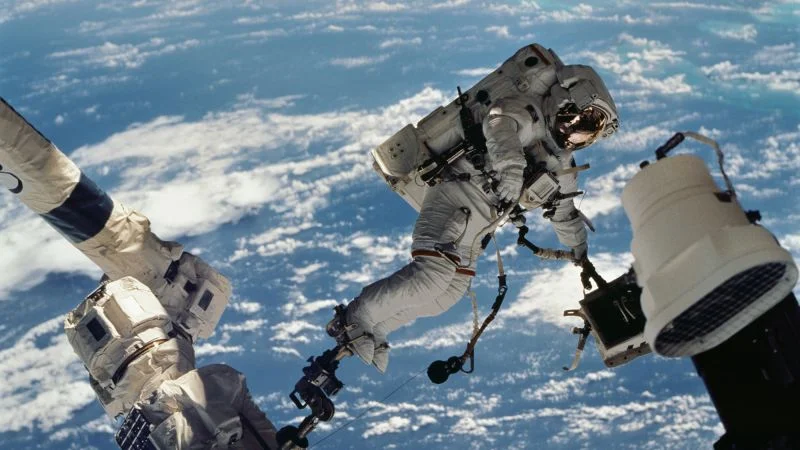
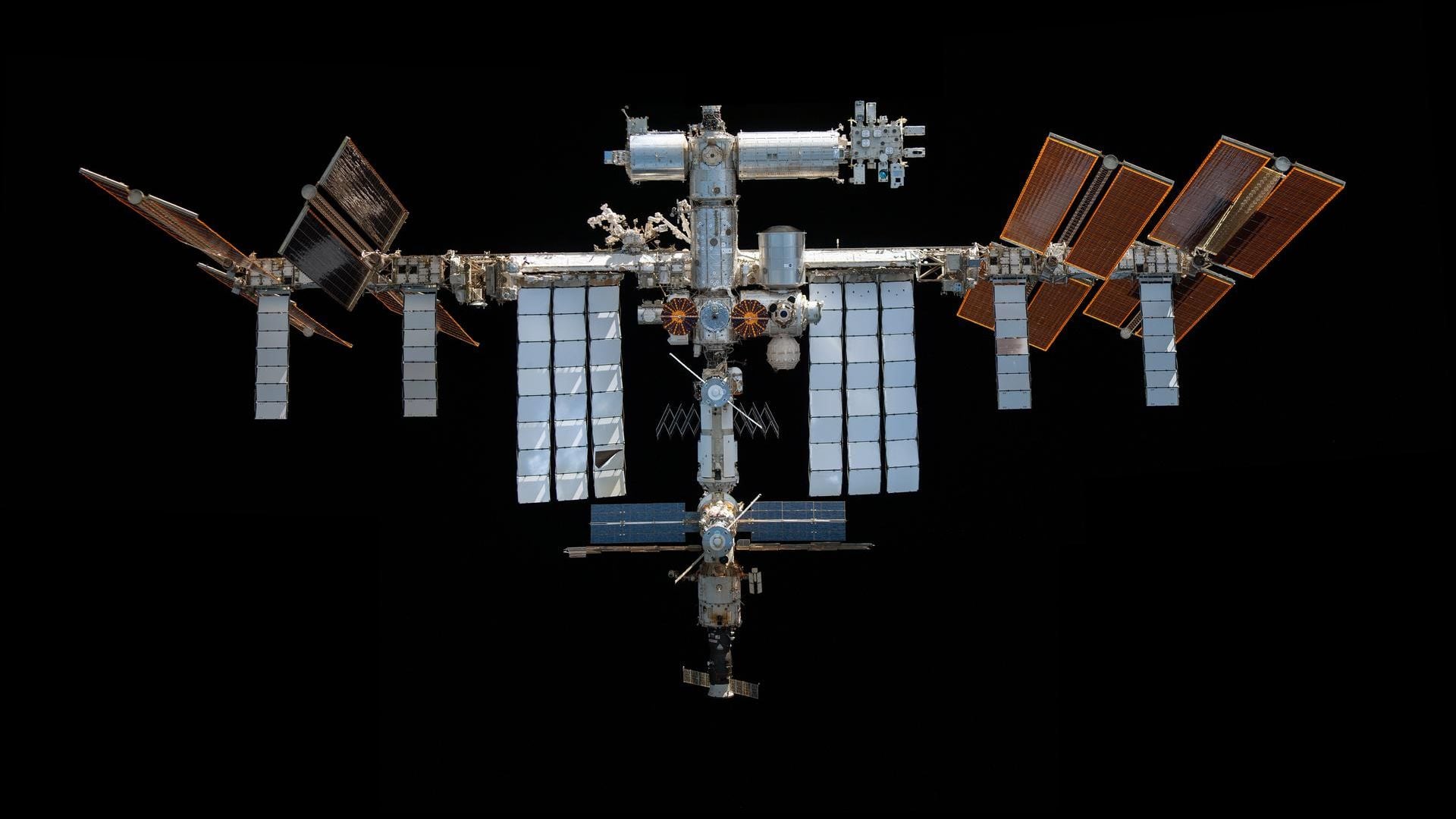
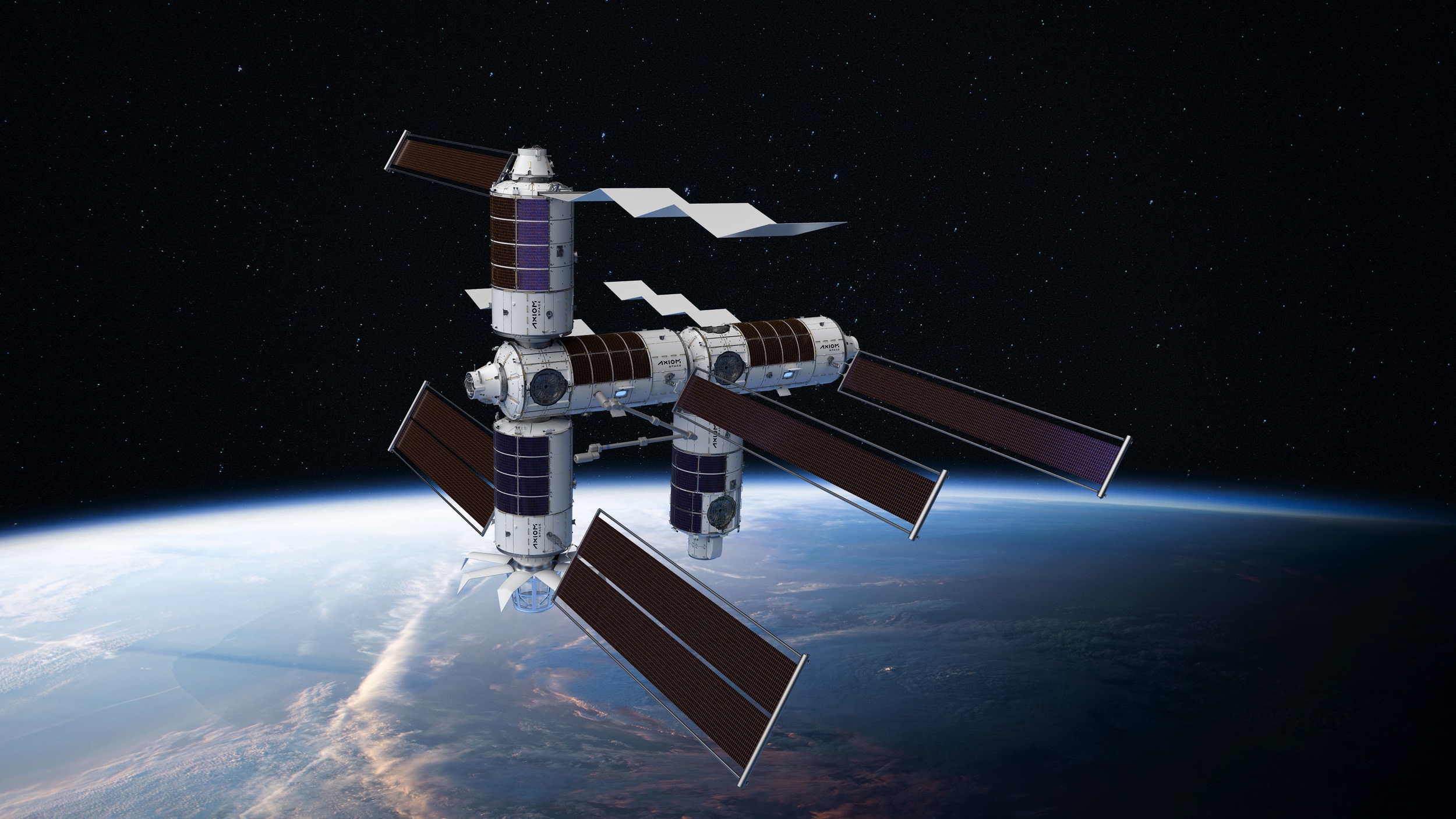
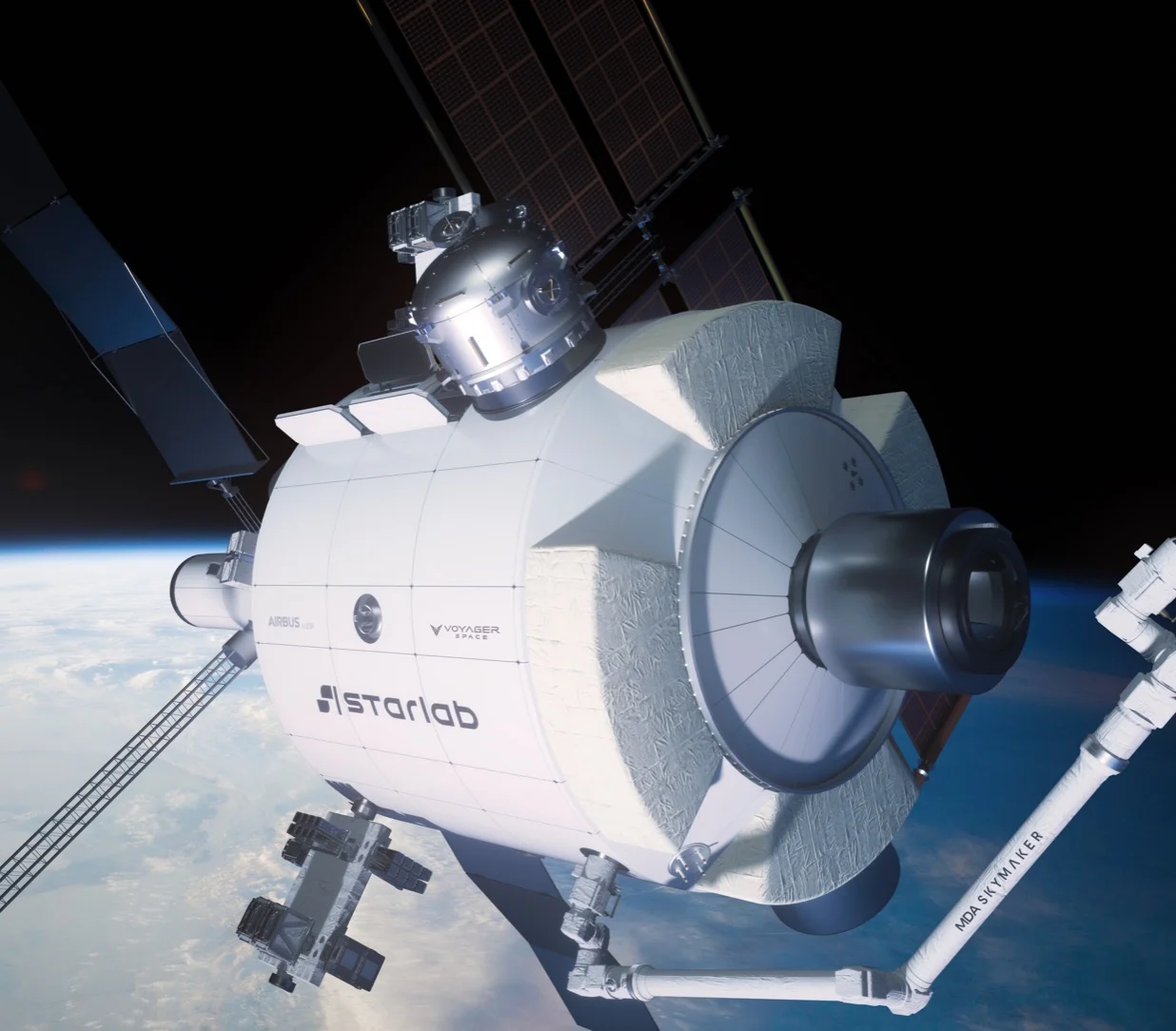
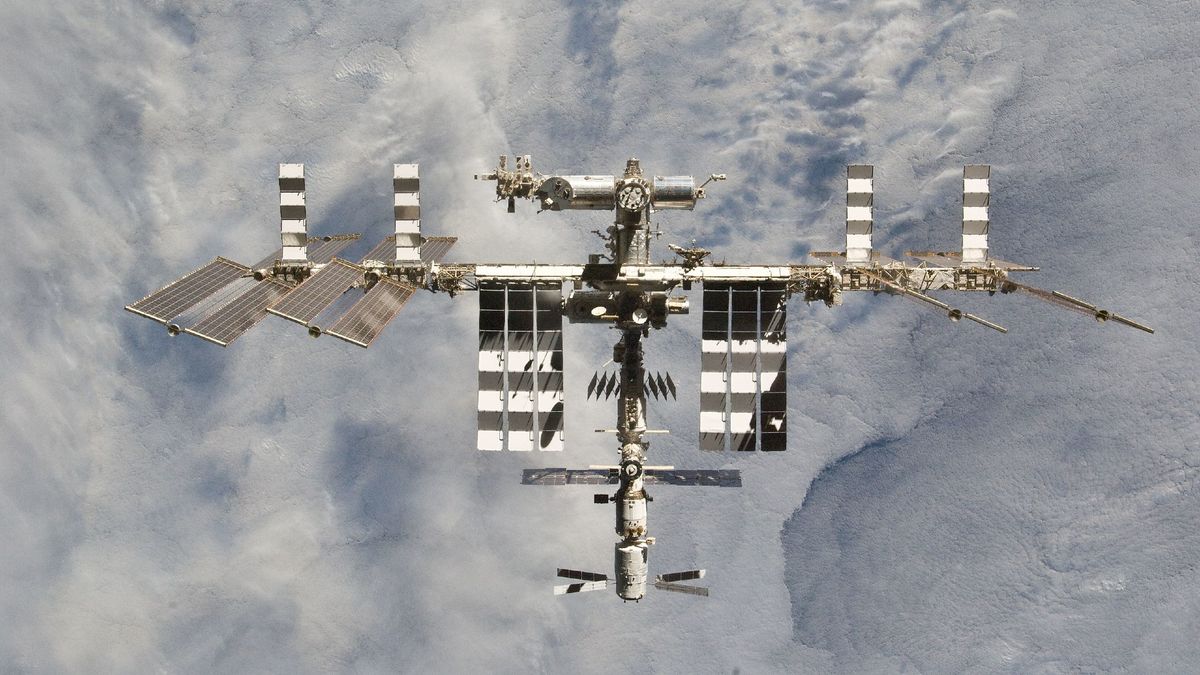
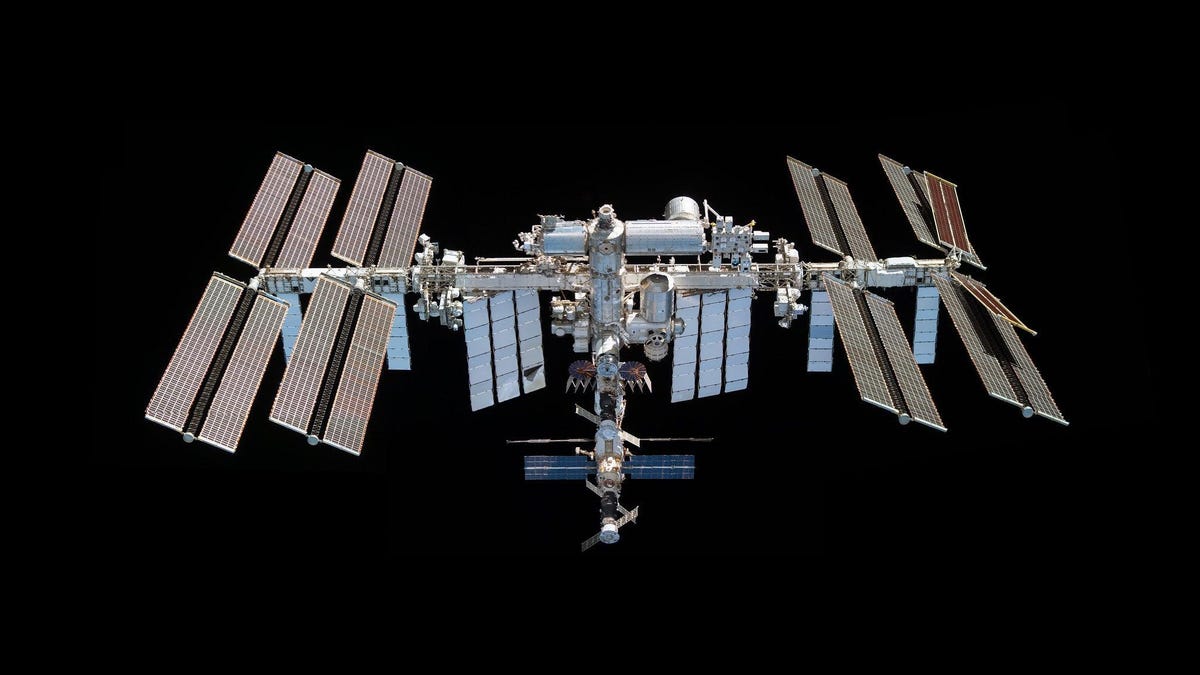
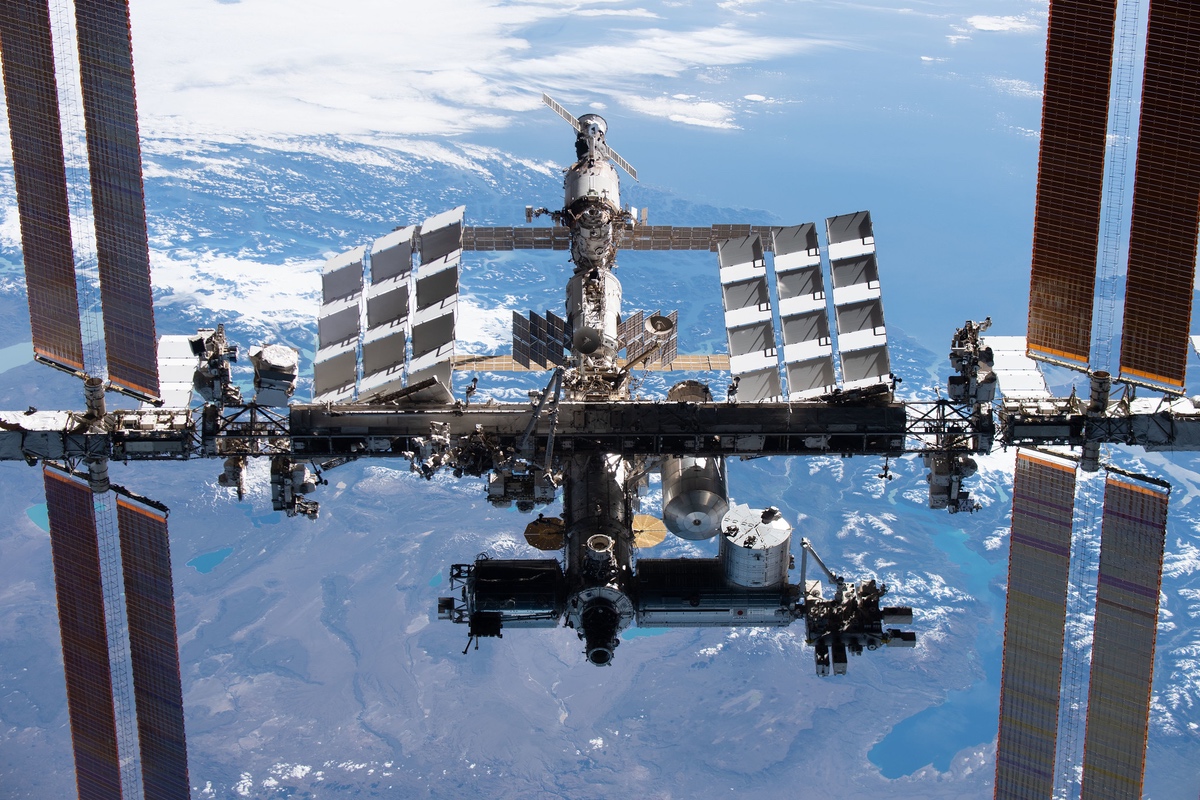
NASA’s Johnson Space Center is reshaping its astronaut-training hub to bridge government oversight and private industry as the agency gears up for commercial space stations to replace the ISS after its planned 2030 retirement. Through the Commercial LEO Destinations program, NASA aims to rely on private destinations (Nanoracks, Blue Origin, Northrop Grumman) while continuing astronaut training and mission operations at facilities like Mission Control, Building 9 (space-hardware mockups) and the Neutral Buoyancy Laboratory, underscoring a growing division of labor with industry. The tour also highlights how training adapts for microgravity emergencies and how NASA intends to share expertise with private station operators as designs from companies such as Vast Space and Starlab progress, with a new CLD procurement (RFP) expected soon to formalize the path forward for NASA and commercial partners.