
Reevaluating the Formation of the Himalayas: Challenging Traditional Assumptions
TL;DR
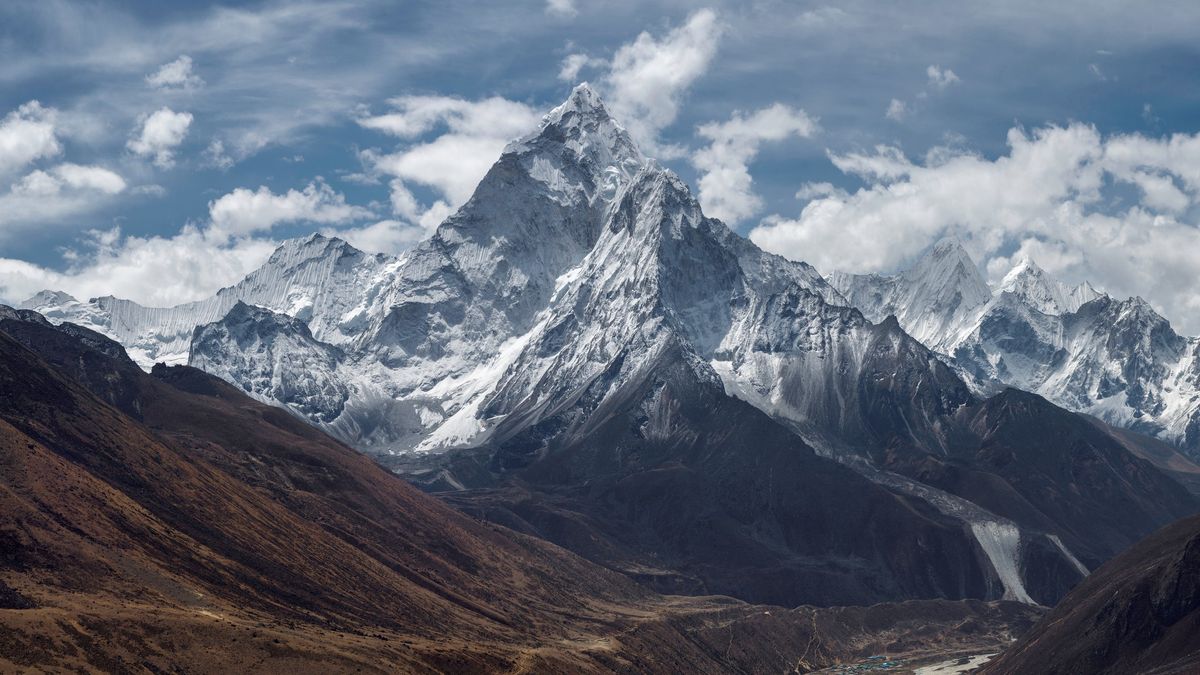
The formation of the Himalayas, including Mount Everest, was not solely due to a single massive tectonic collision as previously believed. A new study suggests that the mountains began their ascent around 63-61 million years ago due to the subduction of the Indian tectonic plate. The collision between the Indian and Eurasian plates, which occurred 45-59 million years ago, further elevated the mountains. This discovery challenges previous assumptions about the formation of mountain ranges and may provide insights into past climate and biodiversity in the region.
Topics:scienceearth-science#earth-science#elevation#geoscience#himalayas#subduction#tectonic-collision
- A single massive tectonic collision? That's not how the Himalayas came to be, scientists say Livescience.com
- New paleoaltimetry research questions assumptions about the formation of the Himalayas Phys.org
- Himalayas' height had help by elevated tectonic plates Interesting Engineering
- View Full Coverage on Google News
Want the full story? Read the original reporting
Read on Livescience.com