
1948 Idaho Beavers: Parachute Drop Reshapes Wilderness
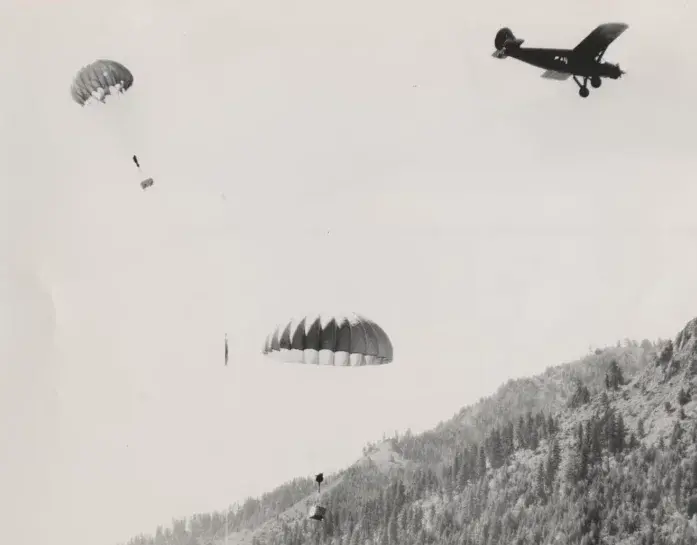
In August 1948, Idaho officials parachuted 76 beavers into the remote Chamberlain Basin to solve flooding issues near Payette Lake. All but one survived the drop, and the animals quickly established colonies, demonstrating the viability of aerial wildlife transport.
Key points
- Post-WWII development around Payette Lake caused beaver dams to flood residential areas, prompting the Idaho Department of Fish and Game to relocate the animals.
- Elmo Heter, a wildlife officer, devised a parachute drop method after traditional transport proved costly and dangerous for the beavers and pack mules.
- The operation used surplus military parachutes and specially designed wooden boxes that opened upon impact, tested initially with a beaver named Geronimo.
- Seventy-six beavers were dropped into the Chamberlain Basin, with only one fatality, at a cost of approximately seven dollars per animal.
- The beavers successfully built dams and bred within a year, establishing a lasting presence in the Frank Church–River of No Return Wilderness.
Background
This historical event highlights early 20th-century wildlife management techniques in Idaho. While modern conservation standards would likely reject the welfare implications of such a drop, the underlying principle of using beavers as 'ecosystem engineers' to create wetlands and mitigate drought and fire risks is now mainstream. The 2018 fire in the basin demonstrated that areas with beaver activity were more resilient, validating the long-term ecological benefits of the 1948 relocation.
Why it matters
The 1948 beaver drop illustrates the evolution of wildlife management from reactive relocation to proactive ecosystem engineering. It underscores how historical, unconventional methods can have lasting ecological impacts, influencing modern conservation strategies that prioritize habitat resilience and biodiversity.
What to watch
No immediate future developments are expected from this historical event, as it occurred in 1948. However, the legacy of the beavers in the Chamberlain Basin continues to influence current discussions on wildlife management and the role of keystone species in maintaining ecosystem health.
Want the full story? Read the original reporting
Read on Futura, le média qui explore le monde