
2026 Climate Report: Seven Planetary Vital Signs Hit Record Extremes Amid Accelerating Warming
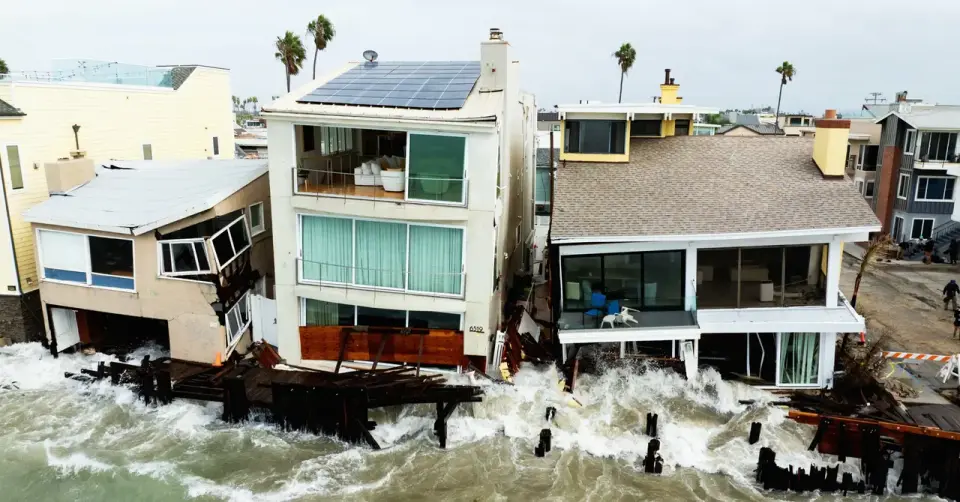
A new annual report published in BioScience on October 14, 2026, diagnoses Earth’s climate as 'serious and getting worse.' Seven of 16 planetary vital signs are at record extremes, including atmospheric carbon dioxide and ocean heat. Warming has accelerated to 0.36°C per decade since 2010. While renewable energy now supplies 43% of global electricity, greenhouse gas emissions remain at record highs, and a strengthening El Niño threatens to push temperatures higher.
Key points
- Seven of 16 tracked planetary vital signs are at their most extreme state ever recorded, according to the BioScience report.
- Atmospheric carbon dioxide is 50% higher than pre-industrial levels, with concentrations exceeding 428 parts per million in May 2026.
- The rate of global warming has increased from 0.05°C per decade (1880–1970) to 0.36°C per decade (2010–2024).
- A strengthening El Niño is expected to temporarily boost global temperatures and exacerbate droughts in regions like the Amazon.
- Renewable energy provided 43% of global electricity in 2025, but annual greenhouse gas emissions still reached record highs.
Background
This report follows a series of 2026 climate assessments, including a September UN warning that the world will overshoot critical climate thresholds. Recent satellite data also revealed that global groundwater depletion is 45% worse than previously estimated, highlighting the compounding nature of environmental stressors. The current report builds on these findings by emphasizing the acceleration of warming and the risk of crossing irreversible tipping points, such as the coral reef collapse observed in 2025.
How outlets are covering it
WIRED and CBS News emphasize the severity of the 'diagnosis,' noting that Earth’s life-support systems are being pushed beyond stable limits. WIRED highlights the specific threat El Niño poses to the Amazon and coral reefs, while CBS News focuses on the potential for self-perpetuating feedback loops, such as permafrost melting. The Washington Post frames the situation as concerning but notes that the report’s authors see hope in renewable energy solutions. Time Magazine provides the most granular data on emissions, noting that energy-related carbon dioxide surpassed 41 gigatons in 2025, and highlights the 2°C threshold could be reached before 2050. All outlets agree that while renewable energy growth is significant, it is insufficient to reverse the overall deterioration of the climate system.
Why it matters
The report confirms that climate change is no longer a future warning but a present diagnosis. The acceleration of warming and the record-breaking nature of multiple vital signs indicate that current mitigation efforts are insufficient. The potential for crossing tipping points, such as the Amazon shifting to savanna or further coral die-offs, poses irreversible risks to global ecosystems and human societies. The interplay between natural phenomena like El Niño and anthropogenic warming suggests that extreme weather events will become more frequent and intense, demanding urgent adaptation measures alongside emission reductions.
What to watch
Scientists will monitor whether the strengthening El Niño pushes global average temperatures to record highs by the end of 2026. Policymakers are expected to face increased pressure to implement rapid greenhouse gas reductions and adaptation strategies, such as restoring mangroves and shifting to plant-based diets. The report suggests that the 2°C threshold could be reached before 2050, necessitating immediate and transformative societal changes to stabilize the climate system.
- Earth’s Condition Is ‘Serious and Getting Worse’ as Climate Change Intensifies WIRED
- The Earth’s vital signs are concerning, a new report says The Washington Post
- Climate change pushed Earth to its limits in 2026 as certain "vital signs" reach record extremes, report says CBS News
- Climate Change Is Accelerating Faster Than We Can Respond, Scientists Warn Time Magazine
- Climate scientists issue a sobering diagnosis about Earth's 'vital signs' Scientific American
Want the full story? Read the original reporting
Read on WIRED