
Volunteer Recorders in Ceredigion Uncover Hidden Wildlife Secrets
Volunteer wildlife recorders in Ceredigion, Wales, are uncovering rare species and unique survival strategies through meticulous fieldwork. Their efforts, often done on hands and knees, provide essential data for conservation and public awareness.
Key points
- Carys May of the West Wales Biodiversity Information Centre identified a dark giant horsefly and a notch-horned cleg during a Wildwatch recording morning in Pencoedtop.
- Recorders in Ceredigion specialize in various species, from moths to dragonflies, and coordinate sightings to maintain detailed records.
- Steve Chambers, the county’s botanical recorder, identified a small-flowered sweet briar in a rough mesotrophic grassland near Cwm Tydu, noting its rare, unimproved habitat.
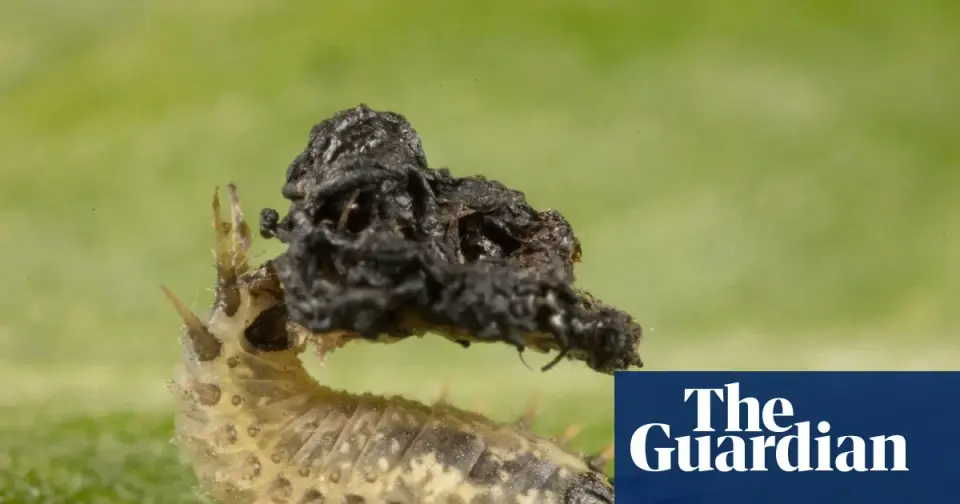
- A tortoise beetle larva was spotted on knapweed, showcasing a prehensile anus used to create a faecal shield for protection against predators.
- These volunteers work voluntarily to gather data, spot trends, and inform the public about local wildlife, highlighting the importance of their expertise.
Background
The Guardian’s Country Diary has long highlighted the role of local naturalists and recorders in documenting biodiversity. Previous coverage has emphasized the value of citizen science in tracking environmental changes and species populations. This story continues that theme by focusing on the unsung heroes of conservation in Ceredigion, Wales.
Why it matters
The work of volunteer recorders is crucial for understanding local ecosystems and informing conservation efforts. Their detailed observations help identify rare species and unique behaviors, such as the tortoise beetle’s faecal shield, which might otherwise go unnoticed. This data is essential for protecting biodiversity and raising public awareness about the natural world.
What to watch
The volunteers will continue their recording efforts, likely focusing on other species and habitats in Ceredigion. Their data will be used to inform conservation strategies and public education, ensuring that local wildlife is protected and appreciated.
Want the full story? Read the original reporting
Read on The Guardian