
Cape Cod shellfish harvesters detect invasive Manila clam breeding population
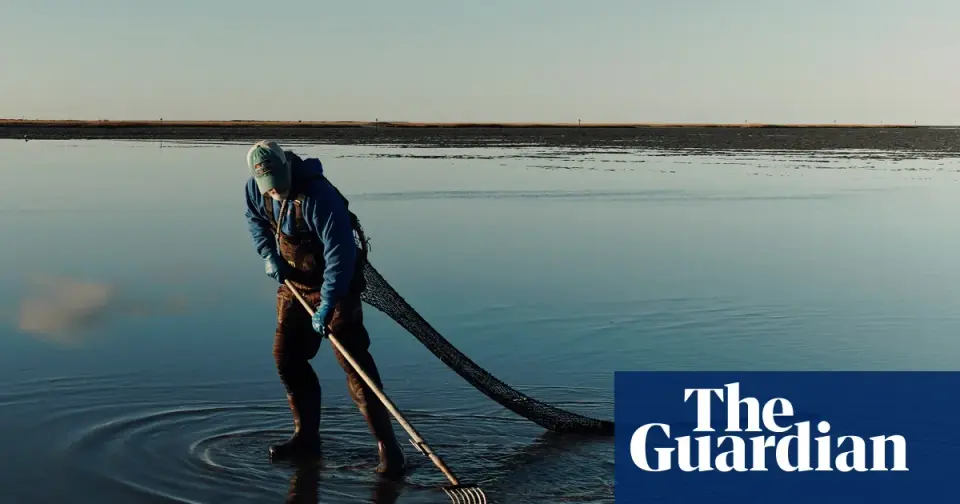
A collaborative network of local shellfish harvesters and marine scientists has officially documented the first breeding population of invasive Manila clams along the Massachusetts coastline. The discovery, initiated by harvester Ernie Eldredge in 2023, highlights a new model of citizen science that allows researchers to monitor ecological changes in real-time. While some fishers view the clams as a potential economic fallback, others worry about disease transmission and ecosystem disruption.
Key points
- Ernie Eldredge, a shellfish harvester in Chatham, Massachusetts, first identified a Manila clam in 2023 and reported it to researcher Owen Nichols.
- Nichols, Hutchinson, and other researchers published a journal article in May confirming a breeding population along the Massachusetts coast.
- The Manila clam, native to the Indo-Pacific, is known for its adaptability and potential to outcompete native species.
- Researchers suspect the clams were introduced intentionally or accidentally, possibly via aquaculture or bait, as they are widely farmed globally.
- The discovery was made possible by a strong partnership between local fishers and scientists, which serves as an early warning system for invasive species.
Background
Cape Cod has previously faced other ecological shifts, such as the arrival of razor clams and changes in barrier beaches, but the Manila clam is the first confirmed invasive shellfish breeding population in the region. The area has also seen other notable events, including a meteorite impact in May 2026 and high-profile legal cases, but the ecological focus remains on the changing marine environment.
Why it matters
The detection of a breeding invasive species at its earliest stage is rare and provides a unique opportunity for scientific study. It demonstrates the value of integrating local knowledge with academic research, potentially leading to better management strategies and a deeper understanding of how invasive species reshape coastal ecosystems.
What to watch
Researchers are conducting genetic studies to trace the origin of the clams and monitoring their impact on native species. Fishers continue to report sightings, while scientists assess the potential for disease transmission and ecosystem changes. The long-term goal is to determine whether the clams will establish a permanent presence or remain a transient boom.
Want the full story? Read the original reporting
Read on The Guardian