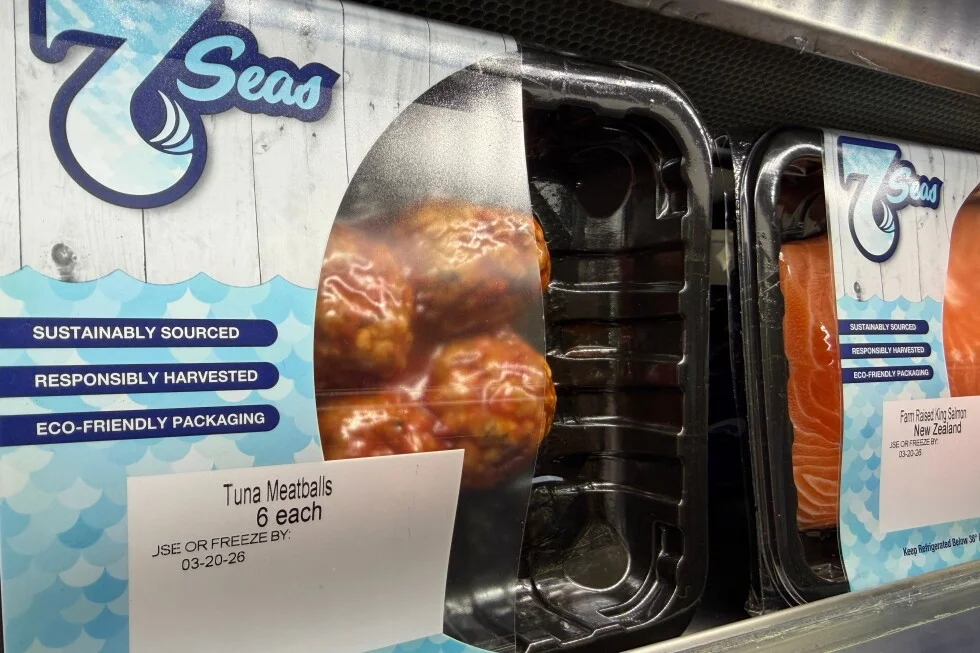
The seafood industry is exploring ways to make fish look and taste more like meat to entice more Americans to eat seafood, using marketing, texture/flavor tweaks, and branding to appeal to meat-eaters while addressing sustainability and dietary trends.
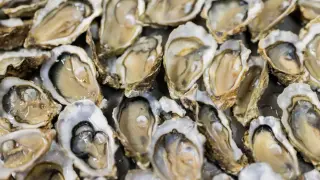
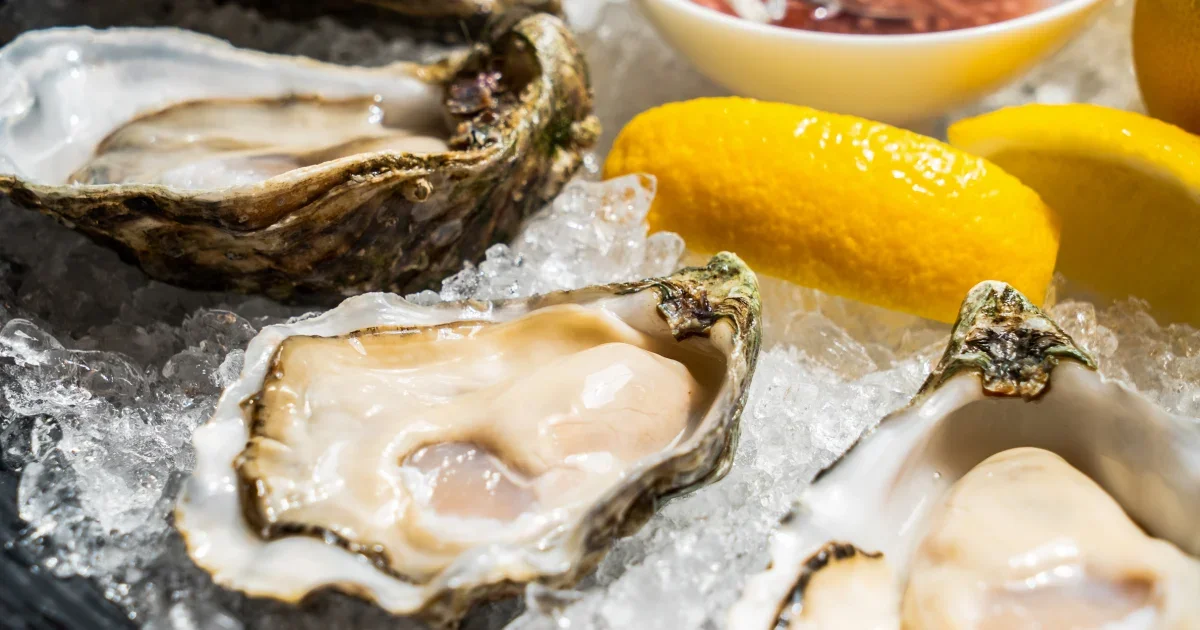
The FDA warned that certain raw oysters from Drayton Harbor Oyster Co. and Manila clams from Lummi Indian Business Council harvested Feb. 13–Mar. 3 may be contaminated with norovirus and distributed to retailers and restaurants in Arizona, California, Florida, Georgia, Illinois, Nevada, New York, Oregon and Washington. Restaurants and retailers should not sell or serve these shellfish and should dispose of them or arrange destruction to prevent cross-contamination. Illness typically begins 13–48 hours after exposure and lasts 24–72 hours.
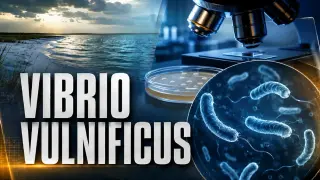
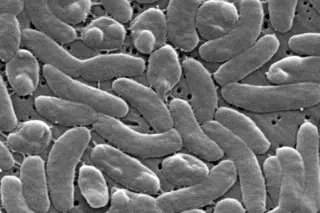
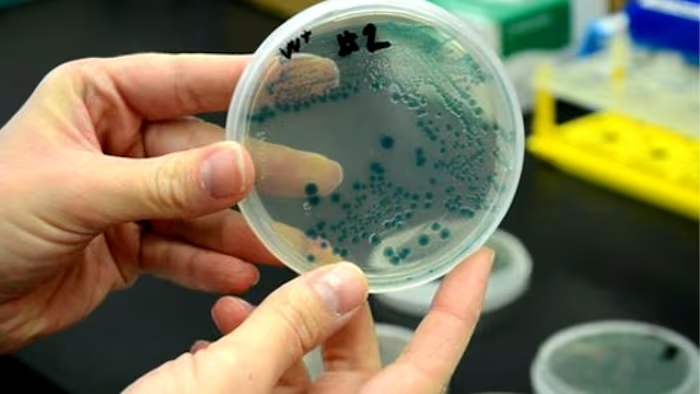
A case of flesh-eating bacteria, Vibrio vulnificus, has resulted in one death in Broward County, South Florida, with a total of 11 cases reported across the state in 2025. The bacterium, found in warm seawater and shellfish, can cause severe illness, especially through raw shellfish consumption or open wounds exposed to saltwater. Preventative measures include thoroughly cooking shellfish and avoiding contact with contaminated water or raw seafood.
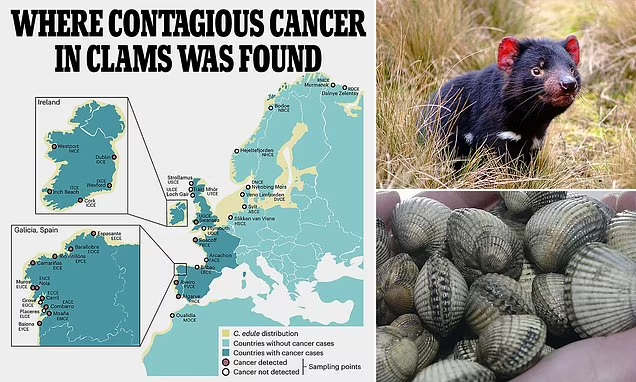
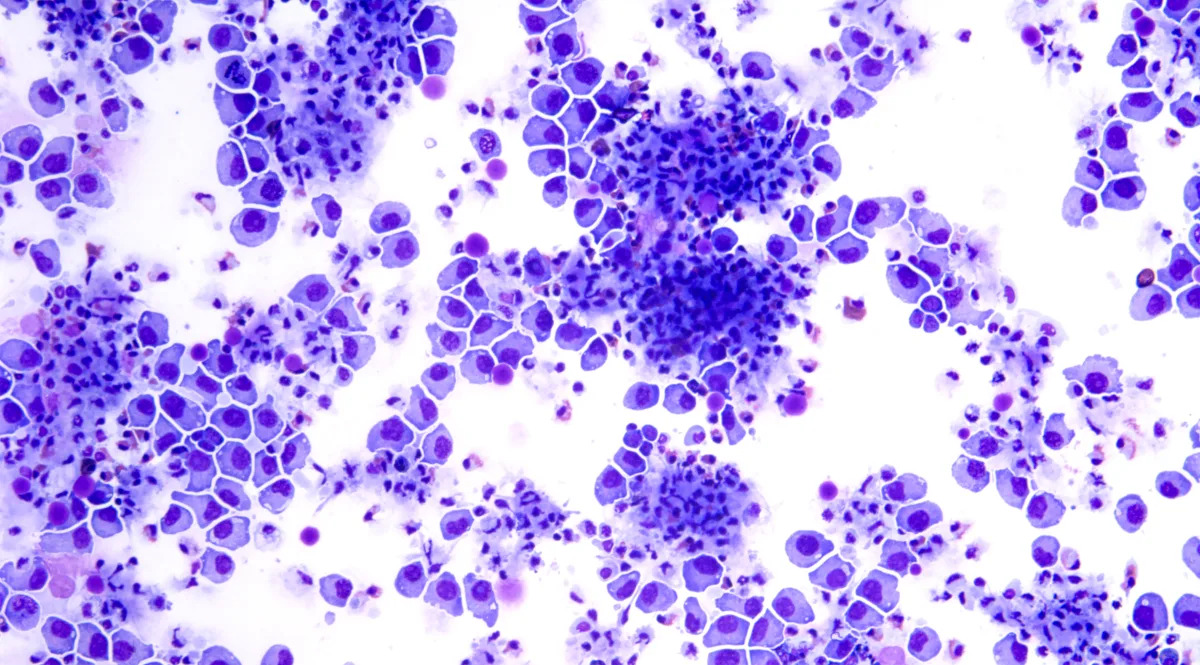
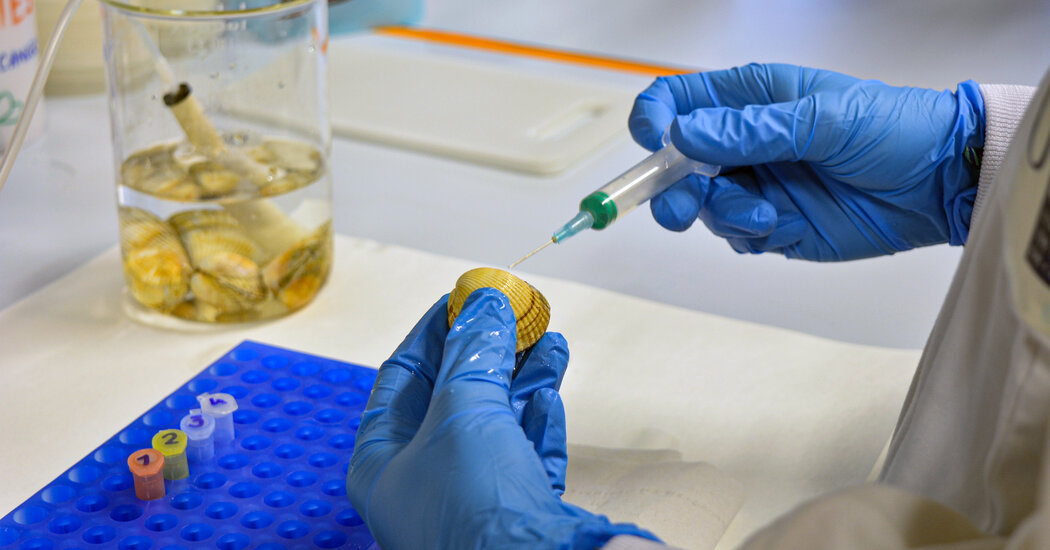
Scientists have discovered two strains of an ancient form of leukemia-like cancer that spreads among shellfish, similar to how Tasmanian devils and dogs transmit cancer cells. The transmissible tumor cells float in the water and are taken up by clams, multiplying and replicating in their hosts before escaping to attack others. This discovery raises the possibility that there may be more forms of transmissible cancer in the animal kingdom, posing a potential threat to humans. The research also revealed that the cancer cells in shellfish exhibit highly variable amounts of genetic material, challenging the belief that cancers require stable genomes to survive long-term.
Scientists have discovered that a bizarre form of contagious cancer has been spreading among shellfish for centuries, possibly even thousands of years. The cancer cells, which invade and multiply inside their victims, have been found in various species of shellfish, including soft-shell clams, mussels, and cockles. Researchers have identified numerous mutations in the cancer cells, indicating their long history of transmission. The discovery of contagious cancers in shellfish may provide insights into the nature of cancer and potential targets for treatment.
Scientists have discovered that a bizarre form of contagious cancer has been spreading among shellfish for centuries, possibly even thousands of years. The cancer cells, which originated from a single ancestral cell, invade and multiply inside their new victims before spreading to attack other shellfish. This phenomenon has been observed in various species of shellfish, including clams and cockles. Researchers have found that these contagious cancers have accumulated a surprising number of mutations over time, with some cells having extra chromosomes or duplicated genomes. The ability of these cancers to survive and mutate for such long periods remains a mystery, but studying them could provide insights into cancer in humans and potentially uncover new targets for drugs.
A new study conducted by paleontologists from the University of Bristol and Wuhan University challenges the long-held belief that bivalves outcompeted brachiopods during the end-Permian mass extinction. The research, published in Nature Communications, suggests that both groups were equally affected by the crisis and responded to similar external drivers. While bivalves eventually thrived and adapted to high ocean temperatures, brachiopods retreated to deeper waters. The study sheds light on the evolution of life after the mass extinction and the construction of modern ecosystems.
The Centres for Disease Control (CDC) has issued a health advisory for the rare and potentially deadly flesh-eating bacteria Vibrio vulnificus, which has claimed the lives of a dozen Americans this year. The bacteria is typically contracted through consuming raw or undercooked shellfish or when an open wound comes into contact with contaminated water. Symptoms include abdominal cramping, nausea, vomiting, fever, and chills. The CDC recommends avoiding raw shellfish, washing hands thoroughly, and staying out of saltwater or brackish water if wounded. Infections have increased eight-fold between 1988 and 2018, with cases previously concentrated in the Gulf of Mexico.
Five deaths in Florida have been linked to a rare strain of "flesh-eating" bacteria called Vibrio vulnificus, which can be found in raw shellfish and seawater. The bacteria can cause skin breakdown and ulcers, and it has been confirmed in 26 cases statewide this year. Florida saw a rise in cases and deaths following Hurricane Ian, with 17 deaths and 74 cases reported in 2022.
Health officials are warning residents to avoid consuming certain shellfish due to a toxic algae bloom off the Southern California coast. The bloom contains a neurotoxin called domoic acid, which has affected marine life and caused over 100 sea lions to strand themselves on beaches. The concentration of the neurotoxin is expected to increase, posing a risk to humans who consume contaminated seafood. Symptoms of domoic acid poisoning include vomiting, diarrhea, headaches, and in severe cases, difficulty breathing, confusion, seizures, and even death. Public health officials advise residents to check for state-issued shellfish advisories before consuming seafood.
The California Department of Fish and Wildlife has closed the recreational razor clam fishery in Humboldt County due to the significant threat of domoic acid exposure. The toxin is produced by a naturally occurring marine alga and can cause symptoms ranging from vomiting and diarrhea to permanent loss of short-term memory or death. The recreational clam fishery in Del Norte County is also closed at this time. There is no way to prepare clams for consumption that will remove the toxin.