
Delaware’s Redbird Reef: A 24-Metre-Deep Subway Graveyard Fueling Local Economy
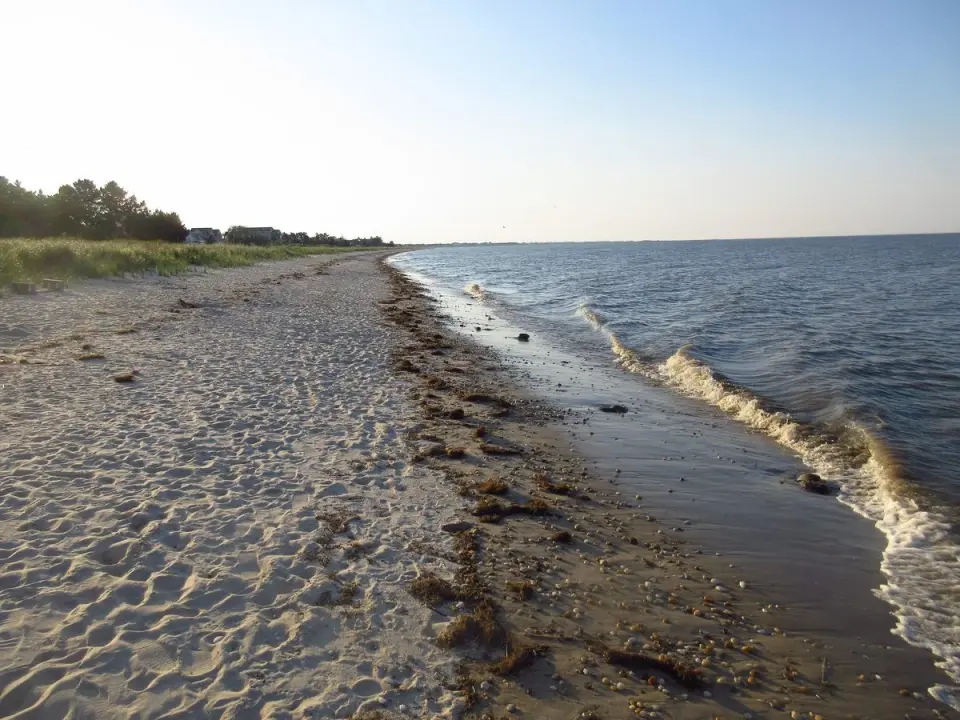
Redbird Reef, located 24 metres off Slaughter Beach, Delaware, is a massive artificial reef constructed from retired New York City subway cars, tanks, and vessels. While it generates $6 million annually for the local economy and supports diverse marine life, experts warn that storms can destroy these structures, turning them into hazardous debris. The site serves as a cautionary tale for the long-term environmental impact of artificial reef projects.
Key points
- Redbird Reef is situated 24 metres deep off the coast of Slaughter Beach, Delaware, and is larger than Central Park.
- The reef was created in 1996 using over 1,350 retired subway cars, 86 tanks, and 32 vessels, with the subway cars serving as the primary attraction.
- The Delaware Artificial Reef Programme generates approximately $6 million annually for the local economy through fishing and diving tourism.
- The reef supports species including sea bass, tautog, triggerfish, flounder, tuna, and sharks, transforming a previously sandy seabed into a vibrant habitat.
- A 2016 study noted that Superstorm Sandy damaged eight subway cars, and subsequent storms have rotated large barges, highlighting structural vulnerabilities.
Background
This story follows our earlier coverage of infrastructure issues in New York City, specifically the emergency repairs required for cracked trackbeds at Central Park West in August 2026. While that incident focused on active transit disruptions, the current story highlights the end-of-life disposal of similar transit infrastructure, specifically retired subway cars repurposed for environmental conservation in Delaware. The archive also notes recent incidents in Central Park, but those are unrelated to the marine environment or artificial reef construction.
Why it matters
The Redbird Reef illustrates the complex trade-offs of artificial reef creation. While it provides significant economic benefits and habitat for marine life, it also poses risks if materials are not durable enough to withstand natural forces. The potential for these structures to break apart and create marine debris underscores the need for rigorous environmental impact assessments before submerging large-scale industrial materials.
What to watch
Regulators and environmental scientists will likely continue to monitor the structural integrity of Redbird Reef and similar sites. Future artificial reef projects may face stricter requirements regarding material durability and storm resistance to prevent the creation of marine debris. The ongoing cleanup of the Osborne Reef in Florida serves as a precedent for the long-term liabilities associated with poorly planned reef initiatives.
Want the full story? Read the original reporting
Read on BBC Wildlife Magazine