
Dimming the Lights: Collaborative Solutions for Tackling Light Pollution
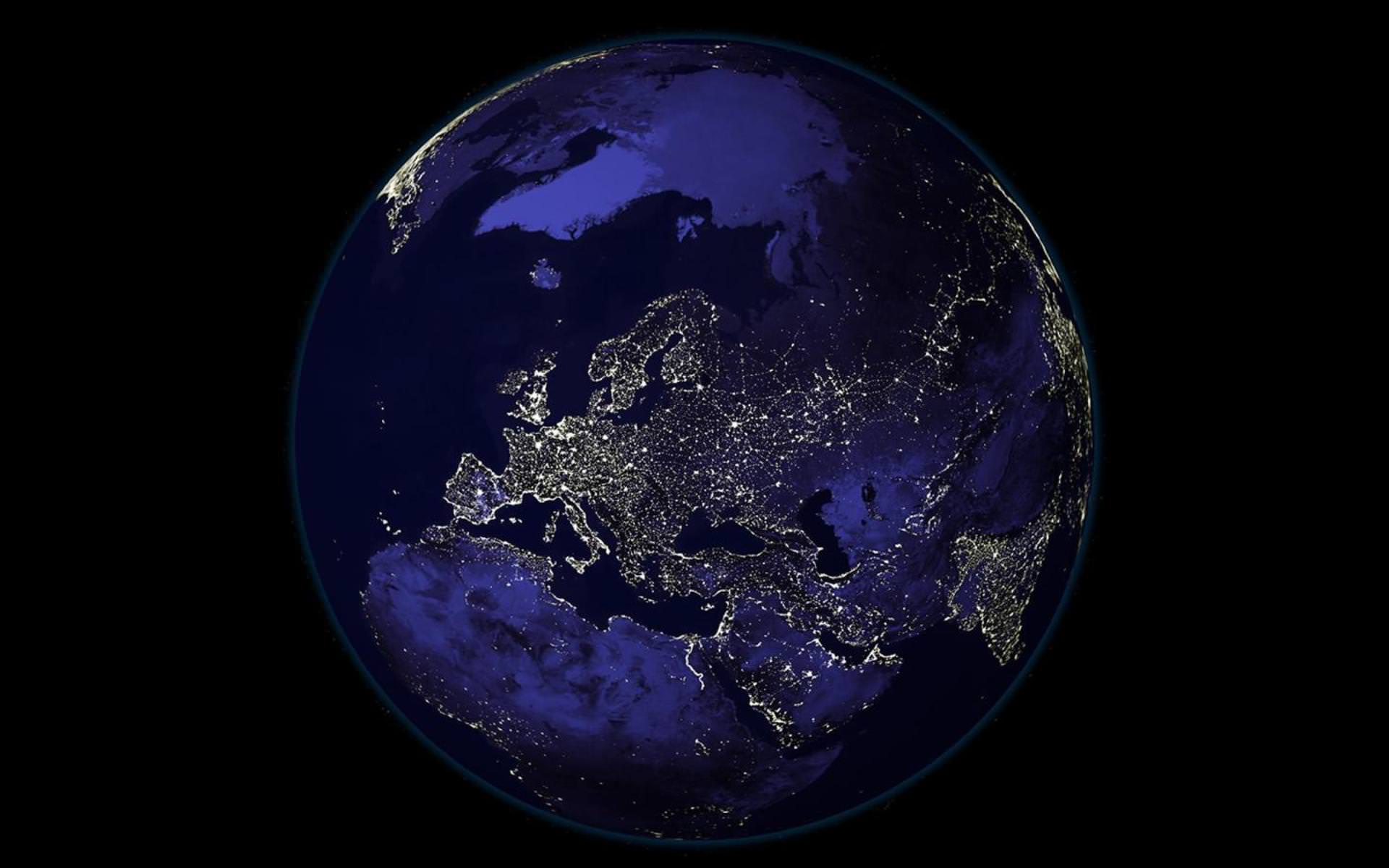
Concerns are growing over the increasing impact of light pollution on astronomical observations and the human experience of the night sky. The Globe at Night organization has found that the night sky is getting 10% brighter each year, with more of the sky's dimmest stars being drowned out by artificial light sources. Satellite data, while less worrying, fails to capture the full extent of light pollution due to its inability to detect certain types of light. Researchers are calling for the development of next-generation satellites to address this issue. Light pollution not only hinders scientific progress but also disrupts ecosystems and threatens species. Efforts to control light pollution have been largely unsuccessful, and the authors suggest implementing caps on lighting similar to regulations on other forms of pollution. Embracing the darkness and preserving the natural beauty of the night sky is crucial for both scientific and human well-being.
- Light Pollution is Out of Control Universe Today
- Can society turn down damaging levels of light pollution? | FT Rethink Financial Times
- Light pollution is fixable. Can researchers and policymakers work together to dim the lights? | Proceedings of the National Academy of Sciences pnas.org
- View Full Coverage on Google News
Reading Insights
0
17
7 min
vs 8 min read
91%
1,576 → 148 words
Want the full story? Read the original article
Read on Universe Today