
Microplastics Reach Deep-Sea Vents; Indian Ocean Species Harbor 14.7× More Particles
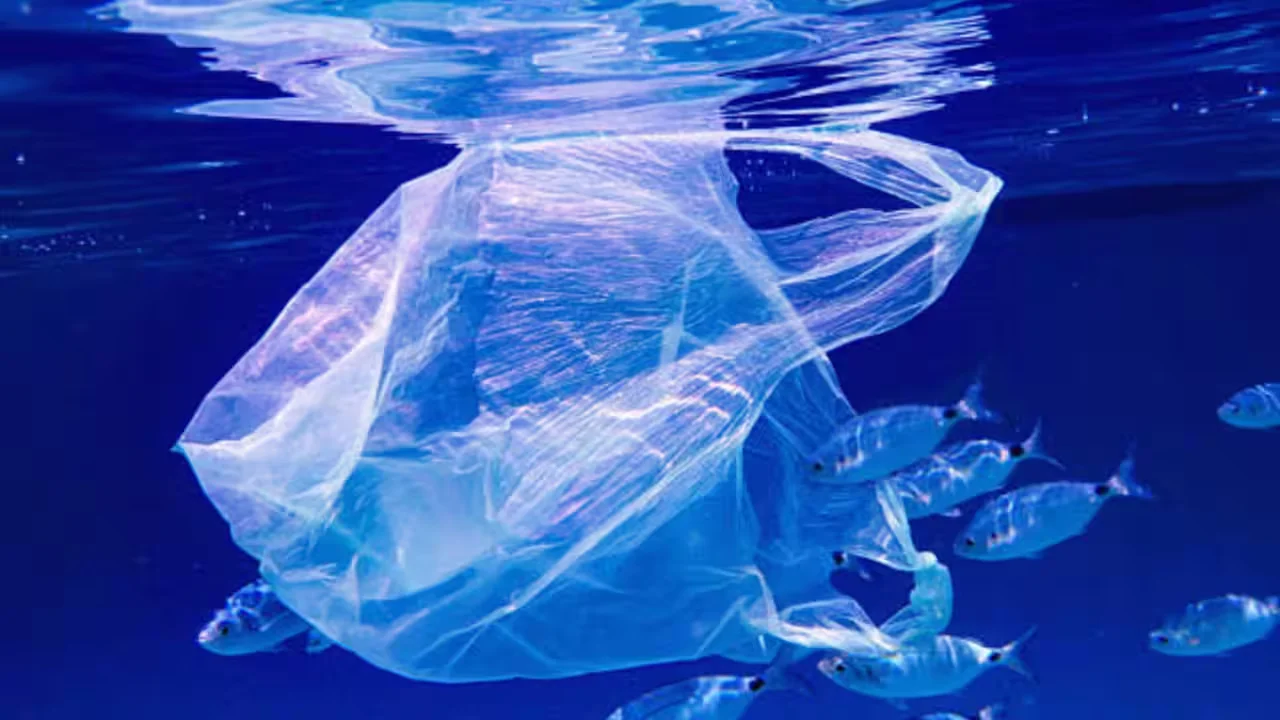
A KRIBB-KIOST study analyzed deep-sea snails and mussels from hydrothermal vents in the North Fiji Basin (Pacific) and Central Indian Ridge, finding microplastics in 92% of the animals (average 3.42 particles per specimen). Polystyrene was most common; grazing snails concentrated plastics in digestive organs, while mussels showed a more even distribution. After adjusting for body weight, Indian Ocean specimens had up to 14.7× higher microplastic concentrations than Pacific specimens, likely due to differences in human activity, river inputs, and circulation. The researchers emphasize that surface plastic pollution has reached remote deep-sea ecosystems and advocate for monitoring and conservation policies.
- Microplastics have reached one of Earth’s most isolated ecosystems: Indian Ocean animals carried up to 14 The Times of India
- Microplastics documented for first time in deep-sea ecosystems Oceanographic Magazine
- Microplastics reach even 2,000 meters below the ocean surface, study finds Phys.org
- Microplastics Found In 92% Of Hydrothermal Vent Animals 2 Kilometers Deep On The Ocean Floor IFLScience
- Microplastics Found 2,000 Meters Deep in Hydrothermal Vent Animals Bioengineer.org
Reading Insights
0
41
3 min
vs 4 min read
87%
746 → 99 words
Want the full story? Read the original article
Read on The Times of India