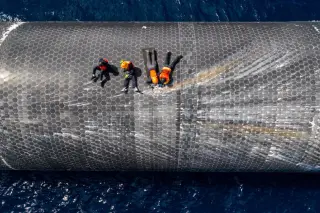
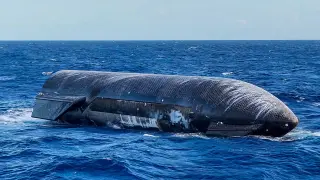
SpaceX recovered the Starship from off Christmas Island in the Indian Ocean a month after its July test flight and is transporting the spacecraft back to SpaceX's Starbase facility in Texas.
SpaceX's Starship Version 3 remains afloat off Western Australia in the Indian Ocean days after Flight Test 13 (July 24), with new photos showing the upper stage mostly above water as engineers weigh the hurdles—especially heatshield durability and true rapid reuse—before the vehicle can be reused.
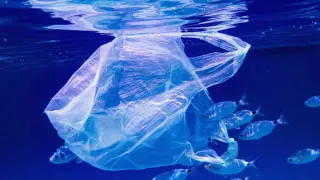
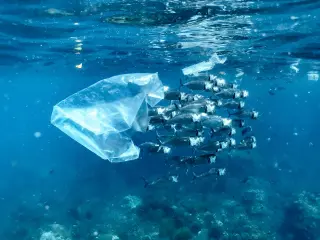
A KRIBB-KIOST study analyzed deep-sea snails and mussels from hydrothermal vents in the North Fiji Basin (Pacific) and Central Indian Ridge, finding microplastics in 92% of the animals (average 3.42 particles per specimen). Polystyrene was most common; grazing snails concentrated plastics in digestive organs, while mussels showed a more even distribution. After adjusting for body weight, Indian Ocean specimens had up to 14.7× higher microplastic concentrations than Pacific specimens, likely due to differences in human activity, river inputs, and circulation. The researchers emphasize that surface plastic pollution has reached remote deep-sea ecosystems and advocate for monitoring and conservation policies.
A KRIBB–KIOST study found microplastics contaminating over 90% of deep-sea molluscs living on hydrothermal vents deeper than 2,000 metres, with Indian Ocean samples nearly 15 times more polluted than those from the southwestern Pacific; most plastics were polystyrene, suggesting coastal pollution and riverine inputs are delivering microplastics even to Earth's deepest ecosystems and underscoring the need for deep-sea monitoring and conservation policies.
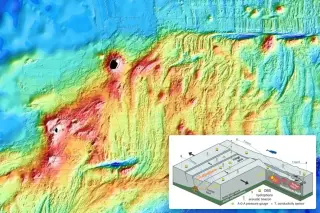
Scientists using an undersea observatory at the Southeast Indian Ridge captured a rare, real-time birth of new seafloor during a 2024 tectonic event, revealing seafloor spreading can occur in dramatic bursts rather than steadily and opening new avenues for marine geophysics.
Centuries of sailors reporting vast, pale-glowing patches at sea have been confirmed as real thanks to satellite observations. Beginning with a 2005 Java Sea sighting and a 2019 Indonesian event, researchers link the glow to dense colonies of Vibrio harveyi bacteria coordinating via quorum sensing, living in mucus that calms the surface. The pattern of occurrences appears related to climate cycles like the Indian Ocean Dipole and ENSO, raising the possibility of predicting milky seas and guiding future sampling to study the phenomenon more closely.
Scientists modeling Earth’s interior propose a long-lived, hot, low-density mantle upwelling originating beneath Africa drifts east beneath the Indian Ocean, reducing local mass and producing the observed geoid low. The idea, supported by 100-million-year simulations and the Indian plate’s motion, explains why satellite data show a persistent dip in the sea surface, though the interpretation is still debated.
New mantle-convection modeling links the Indian Ocean geoid low to a hidden hot mantle plume rising from Africa and traveling beneath the Indian Ocean, creating a mass deficit that weakens gravity in the region; the findings align with satellite data and illuminate deep-Earth processes, though uncertainties remain about ancient plate motions and plume dynamics.
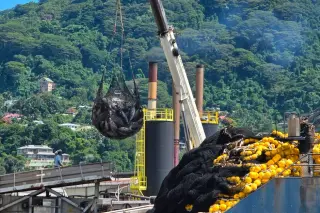
A new AP report finds European purse seiners are reflagging vessels to access Indian Ocean tuna quotas, signaling shifts in access rights and potential regulatory gaps affecting the region’s fishing markets.
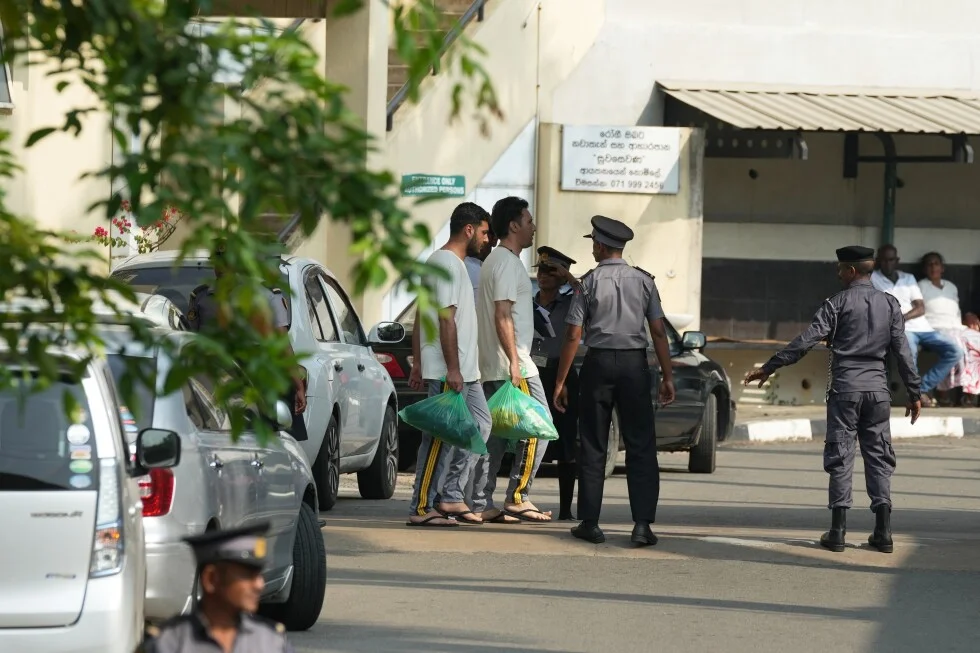
Sri Lanka began transferring more than 200 sailors from the Iranian vessel IRIS Bushehr to shore after the ship sought assistance outside Sri Lankan waters, with some crew remaining aboard to guide the ship to Trincomalee while others are taken to a naval base for medical checks and immigration; the move follows the U.S. sinking of the Iranian warship IRIS Dena and underscores Sri Lanka’s neutrality and commitment to international maritime law.
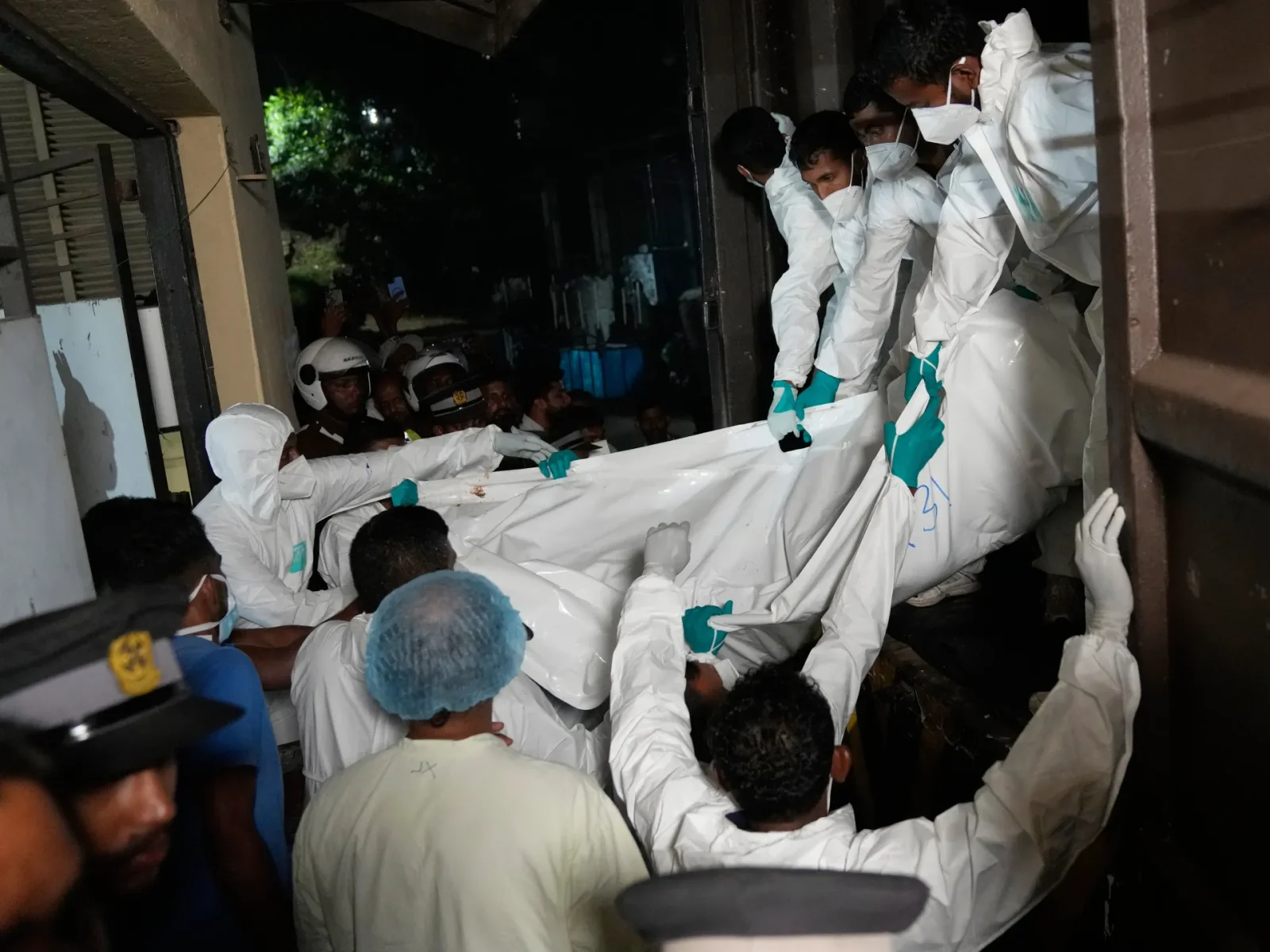
A US submarine torpedoed the Iranian warship IRIS Dena near Sri Lanka during Milan naval exercises hosted by India, killing dozens of sailors and prompting critique of India’s claimed role as a regional security guardian. The incident exposes limits to India’s power in its backyard and underscores a widening US-Israel–Iran confrontation, while drawing scrutiny over New Delhi’s cautious, ambiguous response and its strategic autonomy.
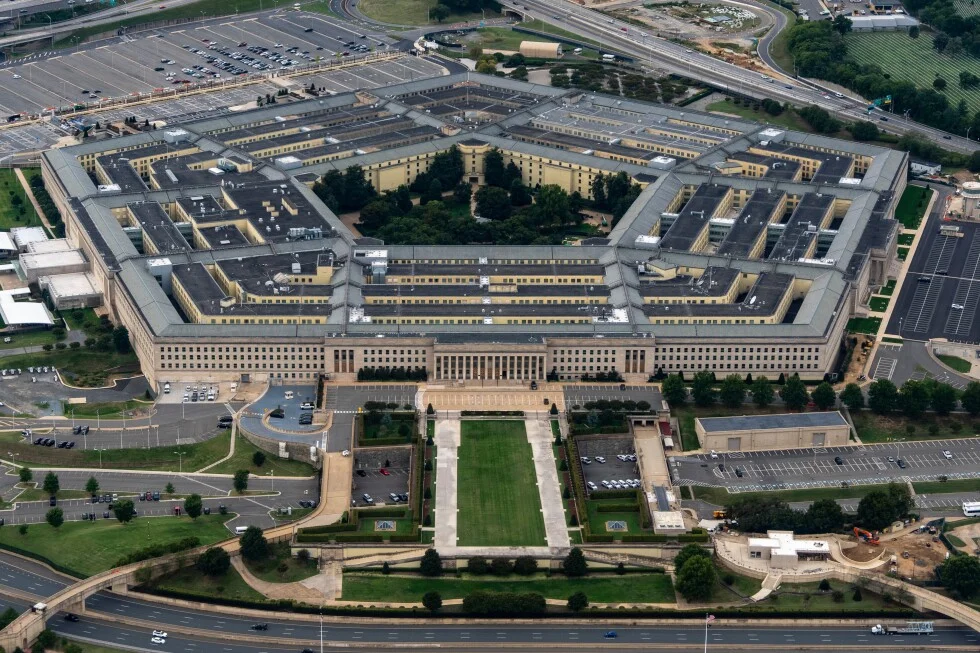
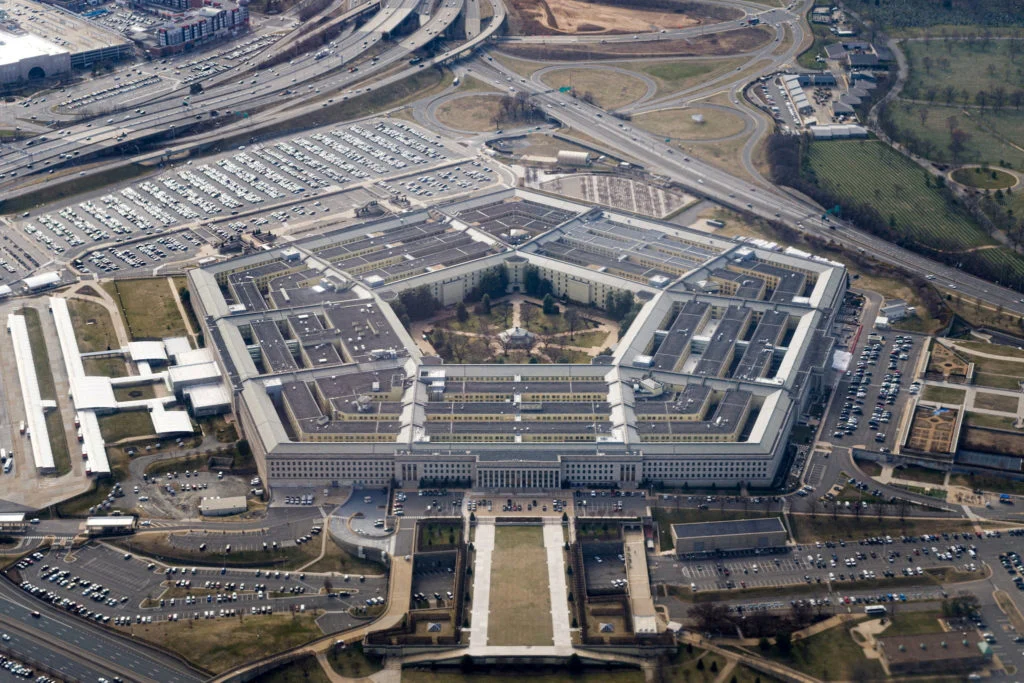
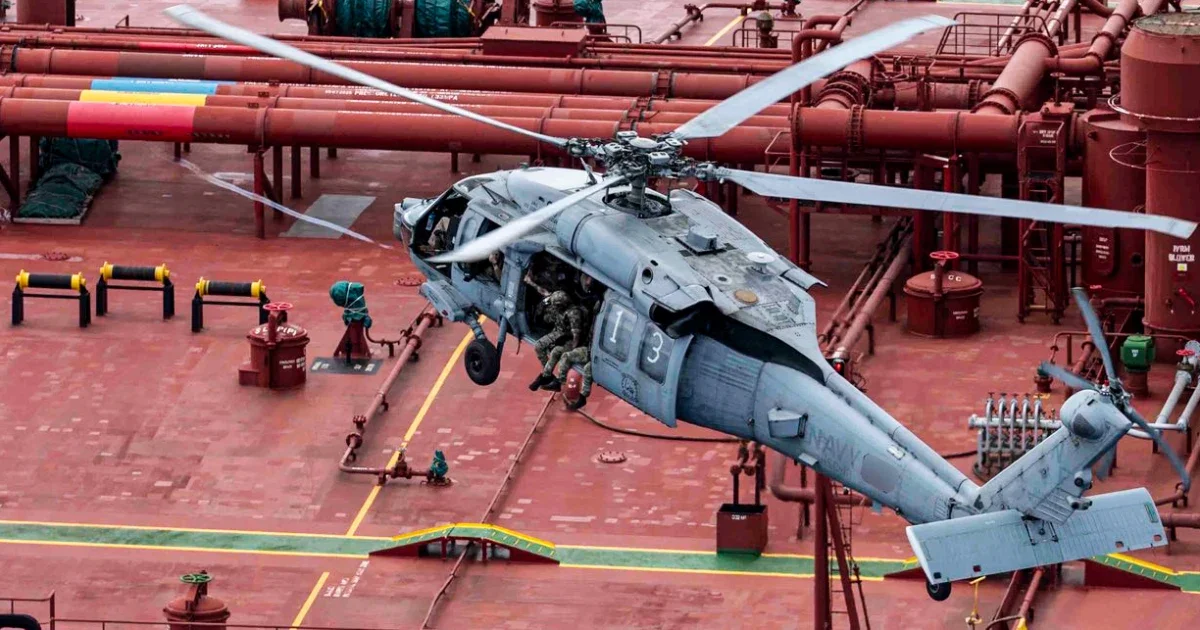
The Pentagon says U.S. forces have boarded a third oil tanker in the Indian Ocean as part of ongoing sanctions enforcement, continuing a series of ship-boardings after two other vessels, with few details released about the targeted ship or the operation's outcomes.
The US says it intercepted the sanctioned oil tanker Bertha in the Indian Ocean for defying a Venezuelan oil blockade, with the vessel last transmitting location data far south of Sri Lanka; this marks the latest seizure in Washington’s push to block Venezuelan oil, occurring amid a broader US naval buildup in the Middle East and Mediterranean.
U.S. forces boarded the Veronica III, a Panamanian-flagged tanker sanctioned over Iran and tied to illicit Venezuelan oil, after tracking it from the Caribbean to the Indian Ocean as part of a broader push to curb sanctioned oil shipments; the operation follows last week’s boarding of Aquila II, and the Pentagon did not confirm whether Veronica III was seized. The effort is part of the Trump administration’s broader campaign to quarantine and seize tankers linked to Venezuela.
U.S. forces boarded the Veronica III, a Panama-flagged tanker sanctioned over Iranian-linked oil and tied to Venezuela, in the Indian Ocean after tracking it from the Caribbean; the Pentagon said the vessel defied a quarantine during a right-of-visit maritime interdiction, with no immediate word on seizure, following last week's boarding of the Aquila II.