
Santa Clara University Team Combines Genetic Breeding and Market Saturation to Save Endangered Liveforever
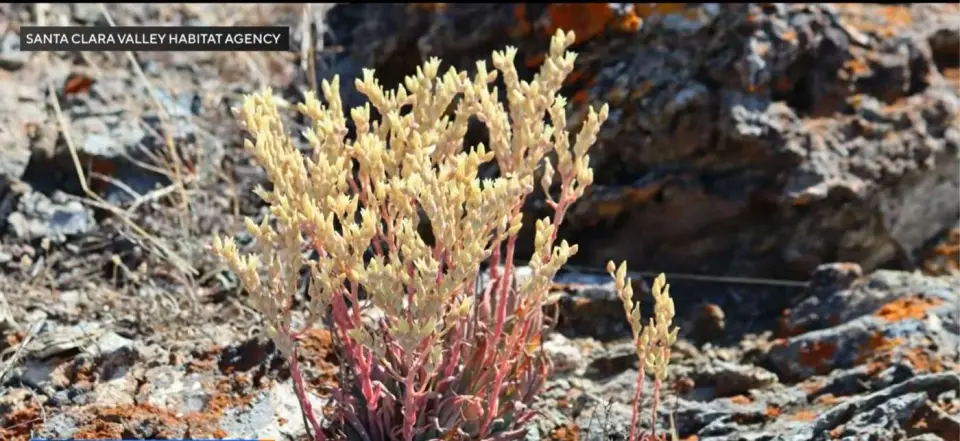
Scientists at Santa Clara University are employing a dual strategy to protect the federally endangered Santa Clara Valley dudleya, a rare succulent known as the 'liveforever.' While Dr. Justen Whittall’s team focuses on genetic diversity and captive breeding to reintroduce wild specimens, Professor Stephen McCabe uses a market-based approach by selling hybridized varieties to nurseries. This 'flooding the market' tactic aims to reduce demand for poached wild plants, addressing threats from climate change, habitat loss, and illegal collection.
Key points
- The Santa Clara Valley dudleya (Dudleya setchellii) is a federally endangered flowering succulent found only in the Coyote Valley Region of Santa Clara County.
- The plant, nicknamed the 'liveforever' for its resilience, serves as a vital food source for pollinators but faces extinction due to poaching, climate change, and habitat loss.
- Dr. Justen Whittall and his students collect seeds from wild specimens to analyze genetic diversity in the lab, using the most diverse samples to breed plants for eventual release into the wild.
- The research team also monitors wild populations to identify which pollinators depend on the plant's infrequent flowering cycles for sustenance.
- Professor Stephen McCabe complements this biological approach by hybridizing the plant into colorful varieties for sale to nurseries, a strategy designed to 'flood the market' and lower demand for wild, poached specimens.
- Whittall stated that the minimum goal is to prevent extinction, with the best-case scenario being an improvement in the species' conservation status.
Background
This conservation effort highlights ongoing challenges in protecting rare native species in California, where habitat loss and illegal collection remain significant threats. The dual approach of scientific breeding and market manipulation reflects broader trends in conservation biology that combine ecological restoration with economic incentives to protect biodiversity.
Why it matters
The survival of the Santa Clara Valley dudleya is critical for local pollinator populations and represents a model for combating plant poaching through both scientific and commercial means. Success in this effort could provide a template for protecting other rare species threatened by illegal collection and environmental degradation.
What to watch
The Santa Clara University team will continue monitoring wild specimens, analyzing genetic diversity, and releasing bred plants into the wild. Simultaneously, the sale of hybridized varieties to nurseries will aim to reduce market demand for wild dudleya, potentially lowering poaching rates and improving the species' overall conservation status.
Want the full story? Read the original reporting
Read on Good News Network