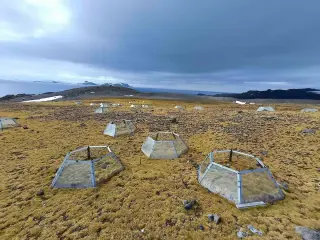
A seven-year field study in Antarctica reveals that the continent's only two native flowering plants, Antarctic hairgrass and Antarctic pearlwort, have developed distinct physiological strategies to cope with warming temperatures, highlighting diverse survival mechanisms in extreme environments.
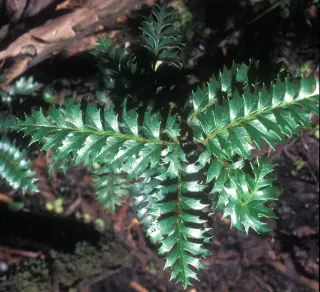
King’s holly, a shrub in southwest Tasmania, is among Earth’s oldest clonal organisms, with fossil evidence dating back 43,600 years. Despite producing flowers, it is sterile due to triploid chromosomes and reproduces only through cloning. Its survival is precarious, with populations confined to small areas and threatened by fire and pathogens, though a new colony was recently discovered.
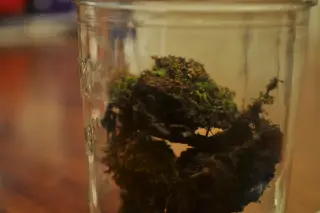
The Beal Seed Experiment, initiated in 1879 by botanist William James Beal, remains the longest-running active botanical study in the United States. Beal buried 20 bottles containing over 1,000 seeds each from various species in soil to test their viability over time. The experiment has evolved, shifting from a five-year to a 20-year retrieval schedule. The most recent dig in 2021 yielded only 20 sprouting seeds, all from the mullein family, demonstrating that weeds possess superior longevity. The project continues at Michigan State University, with the final bottle scheduled for retrieval around 2100, providing critical data for climate-resilient crop development and seed bank preservation.
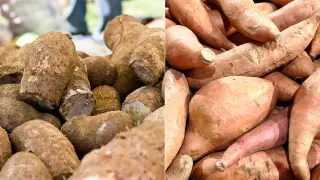
Yams and sweet potatoes aren’t closely related: yams (Dioscorea) are monocots from the Dioscoreaceae family, while sweet potatoes (Ipomoea batatas) are dicots in the morning-glory family. They differ in growth (yams form underground tubers, sweet potatoes form storage roots), yield per plant (sweet potatoes ≈4–10 tubers vs. yams ≈1–5), and maturation (3–5 months for sweet potatoes vs. 6 months to a year for yams). Appearance and texture also diverge: sweet potatoes are shorter, blockier with smoother skins and moist flesh (often orange and beta-carotene-rich); yams are longer, rougher-skinned, starchier with variable flesh colors. Nutritionally, orange-fleshed sweet potatoes are high in beta-carotene and vitamins, while yams offer more potassium and fiber but less beta-carotene. Some wild yams contain toxins that require cooking. In the U.S., many “yams” are actually sweet potatoes due to historical marketing, while true yams are more common in international markets (even the purple yam, ube, is a Dioscorea).
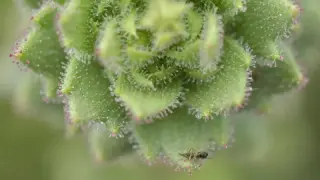
A study on Saxifraga candelabrum shows the alpine plant lures gnats with attractive odors, digests them using the enzyme phosphatase, and transfers nitrogen from prey to the plant, providing concrete evidence that some Saxifraga species are carnivorous and highlighting that carnivory in flowering plants is more widespread than previously thought.
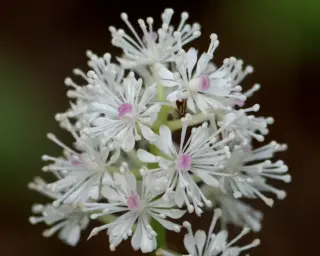
Cornell Ph.D. student Justin Scholten identified Actaea rhodostigma, a pink baneberry new to science, while bushwhacking in Summerhill State Forest. Initial thoughts of a hybrid were overturned after genetic and morphological data showed distinct characteristics and pollination patterns (green non-biting midges). This discovery, the first new NY plant in about a decade, is found around Ithaca (Danby, Summer Hill, Bear Swamp). The plant is highly toxic, and climate-change–related shifts in flowering and pollinator timing could threaten its reproduction. Scholten credits advisor Chelsea Specht and Ariana Springer for collaboration, highlighting that more undiscovered species likely remain in the region.
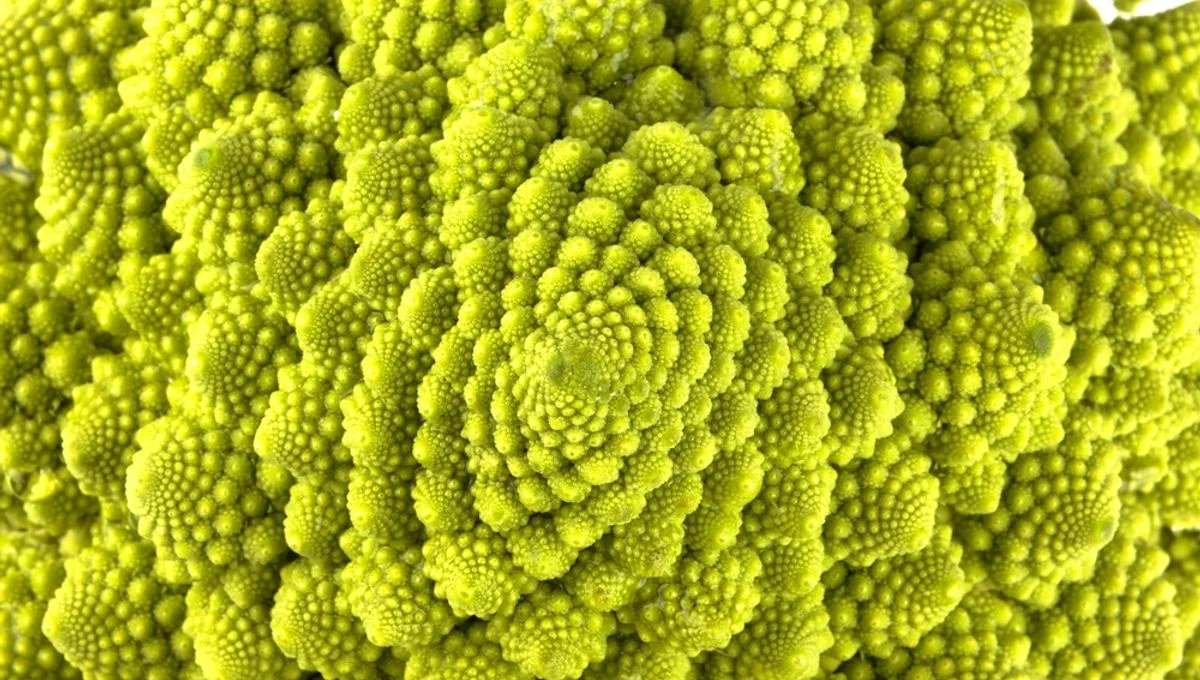
Scientists studying a 407-million-year-old fossilized plant, Asteroxylon mackiei, found that its leaf arrangement does not follow the Fibonacci sequence, challenging previous assumptions that Fibonacci spirals are universal in plant evolution. Using 3D reconstructions, they observed non-Fibonacci leaf patterns, suggesting early plants may have evolved different leaf arrangements before Fibonacci spirals became common in modern plants.
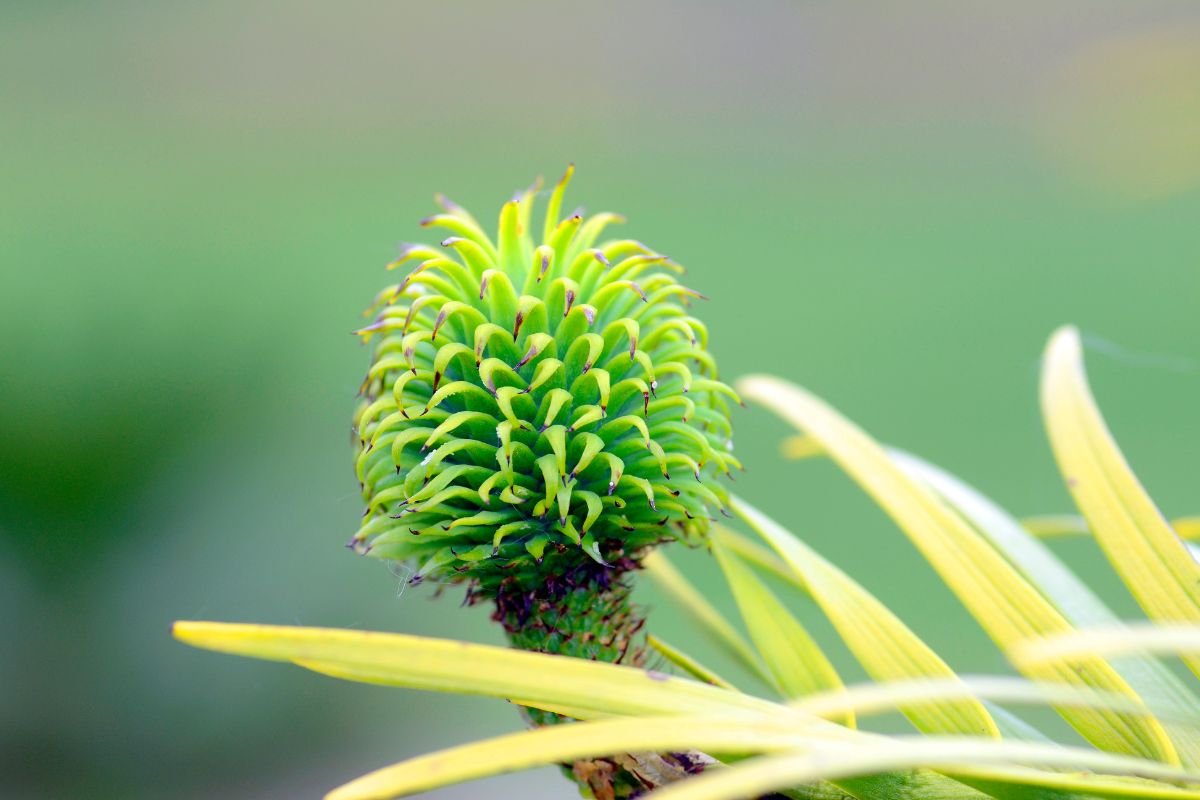
Retired gardeners in England successfully cultivated their Wollemi pine, a species that dates back to the age of dinosaurs, and it has produced fertile cones for the first time, marking a significant breakthrough in conservation and genetic diversity for this critically endangered living fossil.
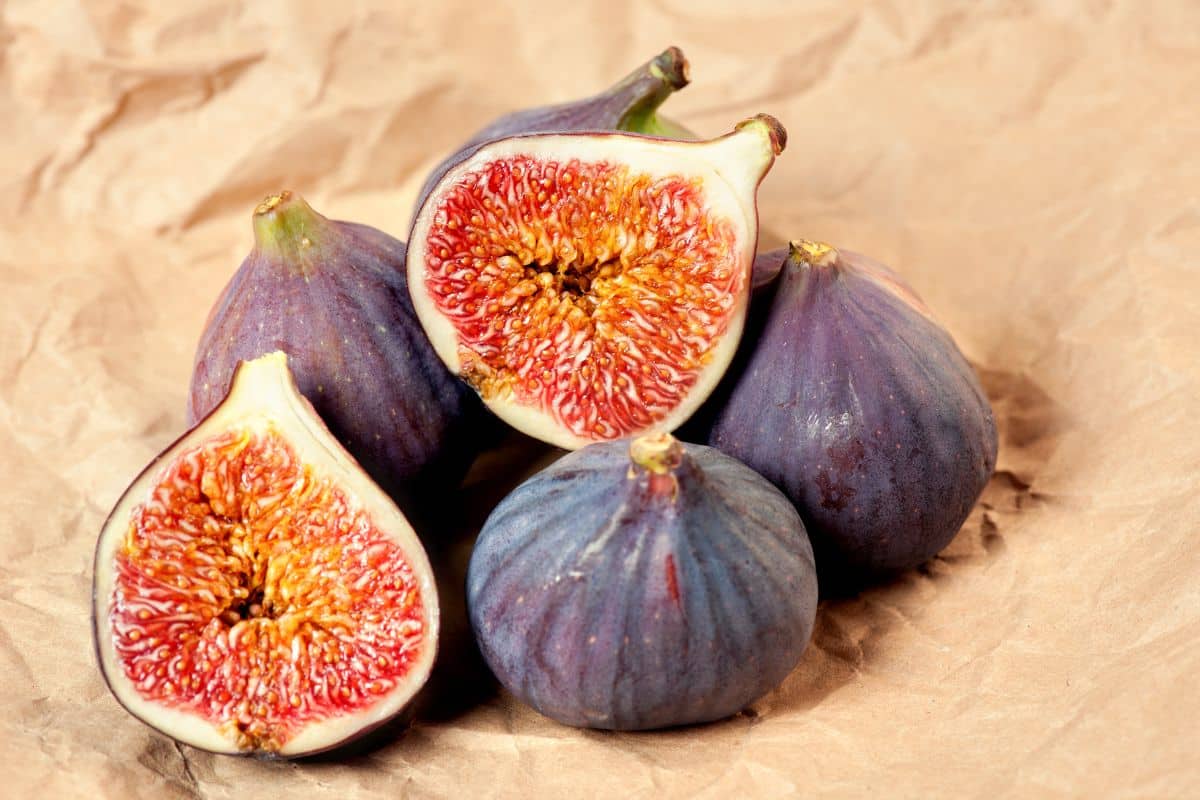
Every fig contains a hidden insect, a wasp, involved in a mutualistic relationship with the plant, where the wasp pollinates the fig and is then digested by an enzyme in the fruit, making figs a fascinating example of natural cooperation and complexity.
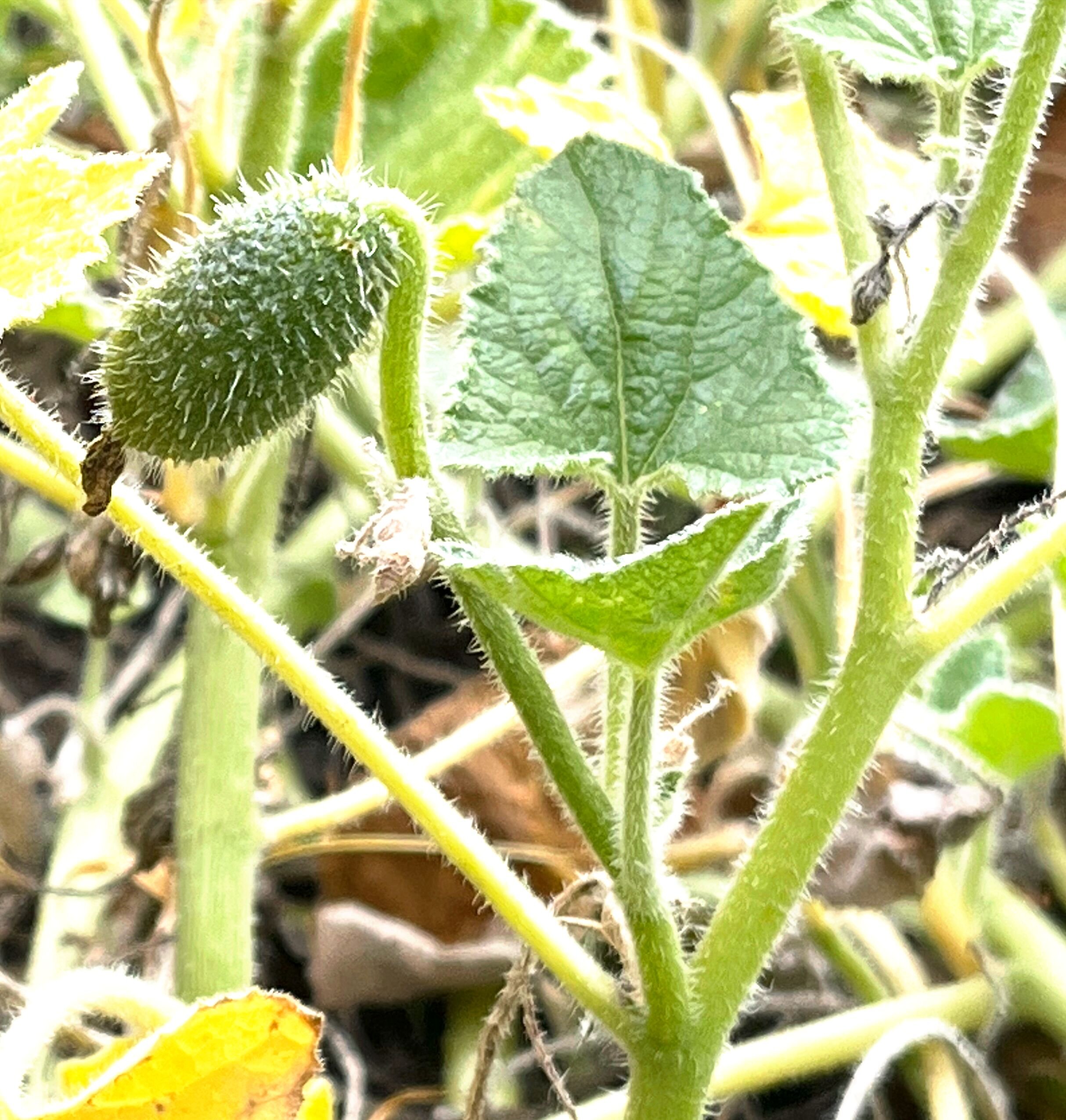
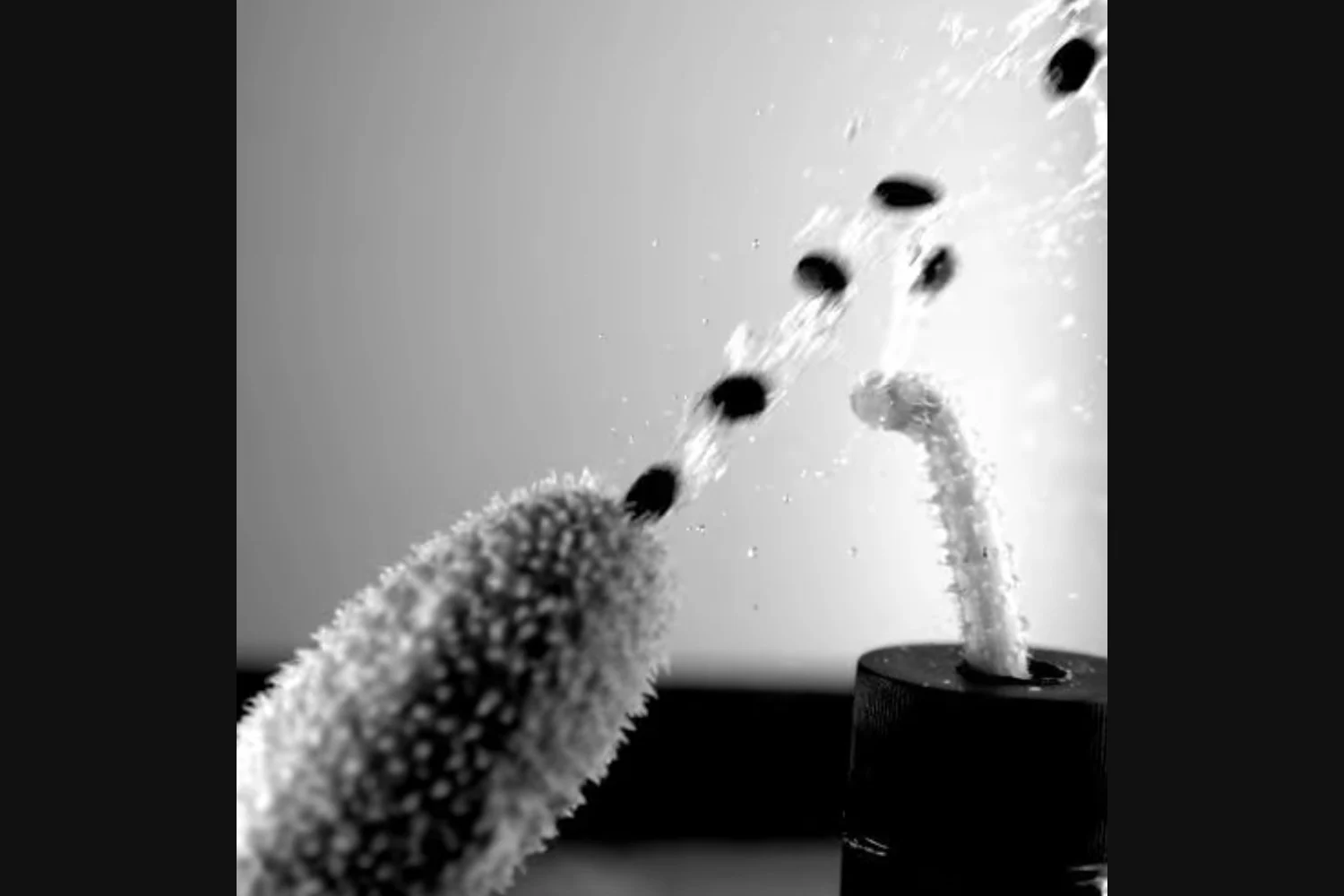
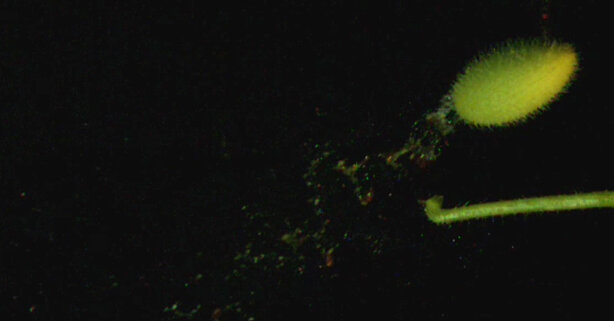
Researchers from the University of Oxford and the University of Manchester have uncovered the mechanism behind the squirting cucumber's explosive seed dispersal using experiments, high-speed videography, and mathematical modeling. The study reveals that the plant's fruits become highly pressurized, redistributing fluid to the stem, which aids in the seeds' ballistic ejection. This unique dispersal strategy ensures optimal seed distribution and has potential applications in bio-inspired engineering, such as drug delivery systems.
A study by the University of Oxford reveals the unique seed dispersal mechanism of the squirting cucumber, which ejects seeds in a high-speed jet of mucus. This Mediterranean plant's method, involving fluid transfer and pressurization, could inspire bio-engineering innovations. Researchers used experiments and mathematical models to understand how the plant achieves seed ejection speeds of up to 20 meters per second, distributing seeds in a wide range. The findings highlight the plant's near-optimal dispersal system and potential applications in precise medication release.
Squirting cucumbers, a unique plant species, have a fascinating seed dispersal mechanism where they explosively eject their seeds, likened to botanical bombardiers, to spread them over a wide area.
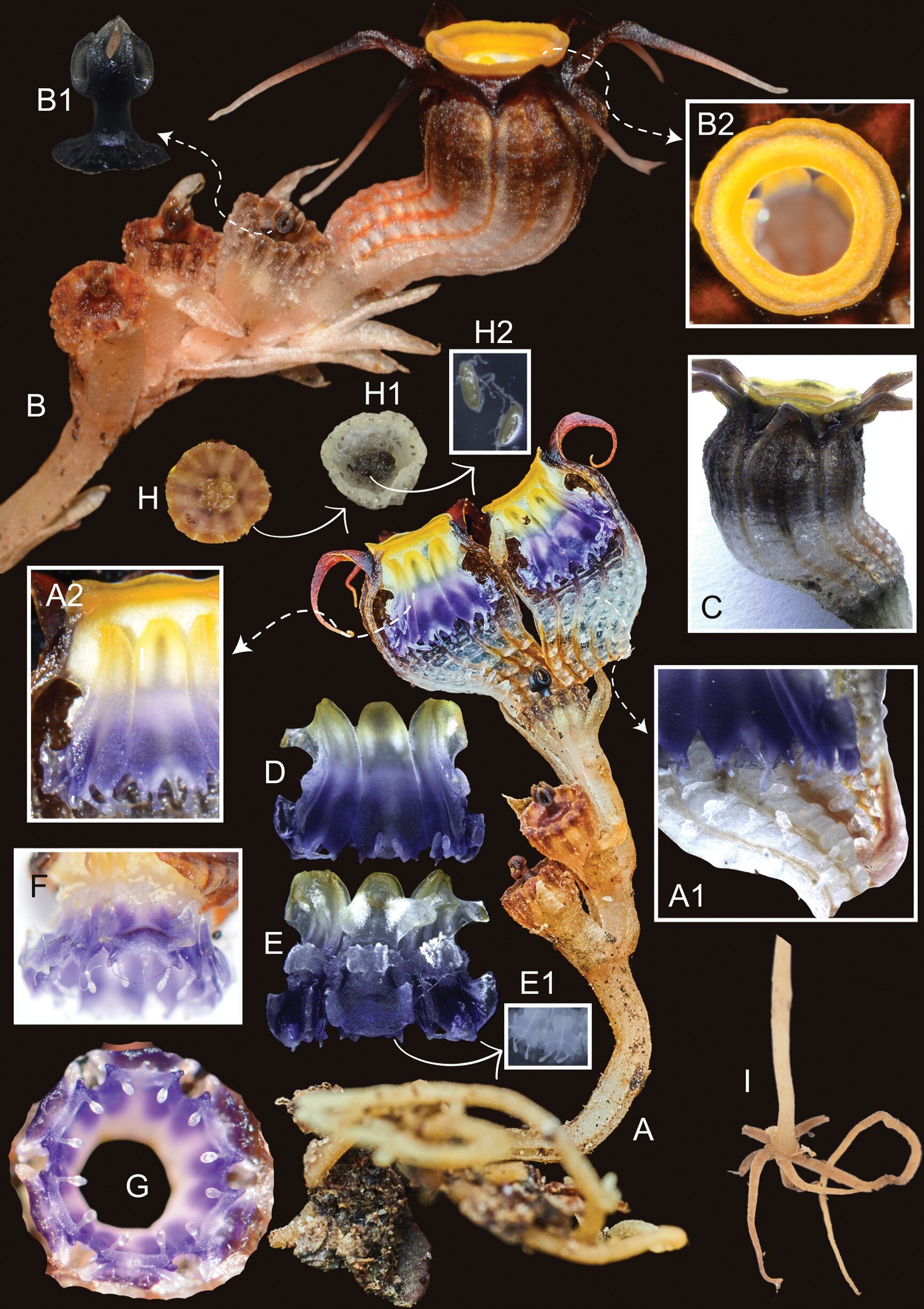
Botanists have discovered a new plant species, Thismia malayana, in the tropical rainforests of Peninsular Malaysia. This mycoheterotrophic plant steals nutrients from underground fungi instead of performing photosynthesis, allowing it to thrive in low-light forest understories. Found in two locations, the plant is classified as Vulnerable due to its sensitivity to environmental changes and limited distribution, highlighting the need for conservation efforts.
Japanese researchers have captured real-time footage of plants transmitting defense responses to their neighbors, marking a groundbreaking discovery in plant communication. The study observed undamaged plants responding to volatile organic compounds (VOCs) emitted by neighboring plants experiencing mechanical damage or insect attacks, shedding light on the intricate ways plants communicate to protect themselves from environmental threats. This research broadens our understanding of ecological relationships and plant defense mechanisms, highlighting the complex and subtle interactions within the plant kingdom.
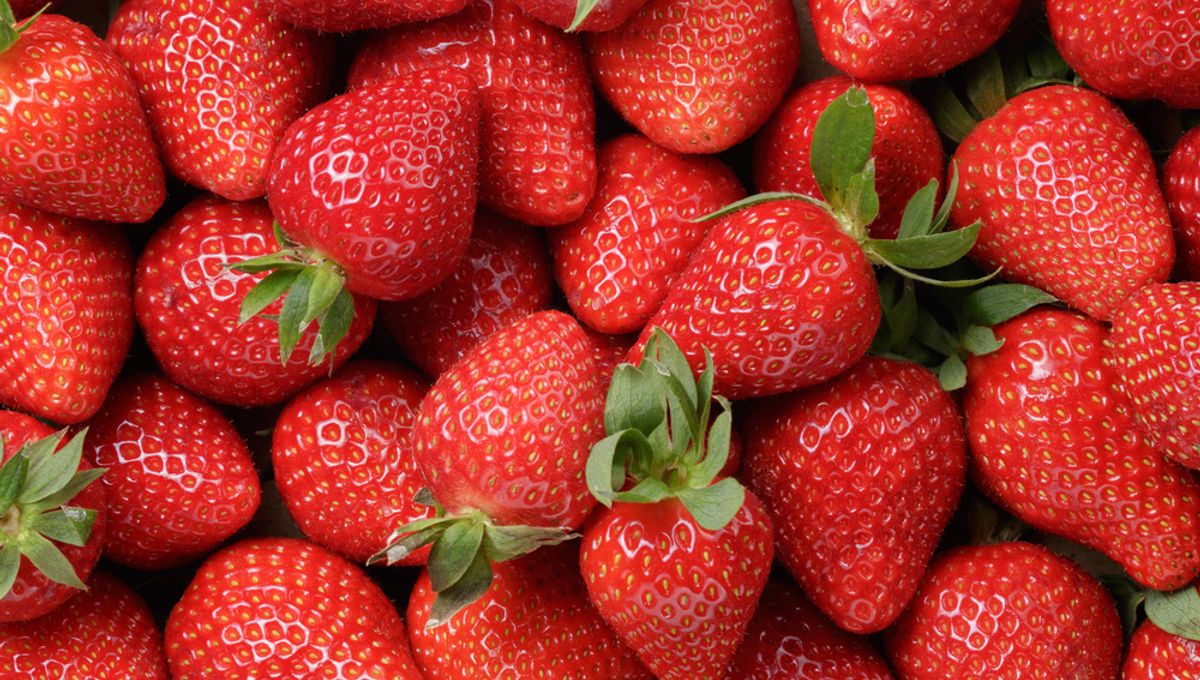
The white dots on strawberries are not seeds but rather achenes, which are the plant's fruit containing a single seed each. Despite their misleading appearance, strawberries are not berries but rather aggregate fruits, similar to raspberries and blackberries, and belong to the same family as roses. Their unusual life cycle and propagation through runners further distinguish them from true berries, placing them in the aggregate fruit category.