
Minnesota Team Revives Pig Kidneys Frozen for a Year, Hinting at Future Organ Banks
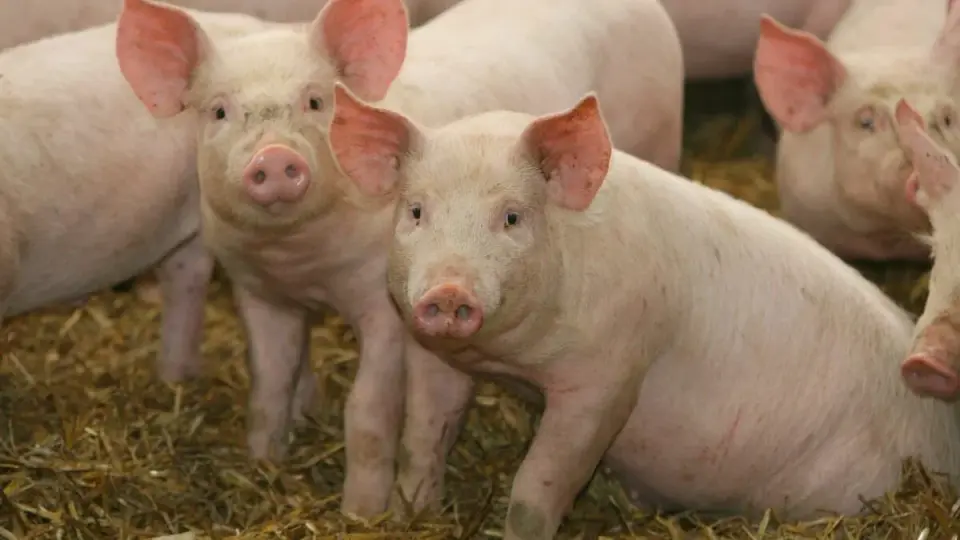
Researchers at the University of Minnesota have successfully revived pig kidneys that were frozen at -150 degrees Celsius for up to one year. The organs were thawed, transplanted into pigs, and produced urine, demonstrating functional viability. This breakthrough in vitrification could eventually allow for long-term organ storage, reducing the current 36-hour window for kidney transplants and potentially alleviating the shortage affecting over 100,000 Americans on waiting lists.
Key points
- University of Minnesota team, led by transplant surgeon Erik Finger, used vitrification to freeze pig kidneys to -238 degrees Fahrenheit (-150 degrees Celsius).
- One kidney was stored for over a year and, upon thawing, regained color and produced urine within minutes, indicating restored blood flow and function.
- The process involves steeping organs in cryoprotective agents and using iron-oxide nanoparticles to control reheating, preventing ice crystal damage.
- While the kidneys produced only about two-thirds of normal urine volume and showed some injury, the team considers the results a major milestone.
- The research is currently a pre-print on bioRxiv and has not yet undergone peer review; the next step is testing long-term viability in living animals and eventually human organs.
Background
This development follows recent advancements in xenotransplantation, such as a 2026 case where a patient survived 271 days with a genetically modified pig kidney before receiving a human donor organ. It also addresses the persistent issue of organ scarcity, where kidneys currently have a viability window of only 36 hours, leaving over 100,000 Americans on waiting lists. The ability to store organs indefinitely could transform how transplant logistics are managed, shifting from a race against time to a system of pre-stored availability.
How outlets are covering it
Gizmodo emphasizes the potential to 'rewrite the future' of transplants by eliminating the scarcity of organs, highlighting the emotional impact on the waiting list. MIT Technology Review provides a more technical and cautious perspective, noting that while the achievement is a 'landmark,' the kidneys showed signs of injury and produced less urine than expected. MIT Tech Review also highlights the complexity of scaling the process to human organs, noting issues with cryoprotectant toxicity and cooling uniformity. Both sources agree on the significance of the one-year storage milestone but differ in their emphasis on the immediate clinical readiness versus the long-term engineering challenges.
Why it matters
If successfully scaled to human organs, this technology could allow for the creation of organ banks, enabling doctors to match donors and recipients without the current 36-hour time pressure. This could reduce organ rejection risks by allowing for better immune system preparation and provide emergency organs for critical cases like drug overdoses or gunshot wounds. It represents a potential shift from a reactive transplant system to a proactive, inventory-based model.
What to watch
The research team plans to conduct long-term studies in pigs to assess the durability of the revived kidneys. They are also working on finding less toxic cryoprotectants and developing methods to repair organ damage caused by the freezing process. Future experiments will focus on applying the vitrification process to human kidneys, though significant engineering hurdles remain regarding cooling and reheating larger, more complex human tissues.
Want the full story? Read the original reporting
Read on Gizmodo