Tag

Cryopreservation

All articles tagged with #cryopreservation

Frozen Brain Fragments Raise Hopes and Questions About Revival
science12 days ago

Frozen Brain Fragments Raise Hopes and Questions About Revival

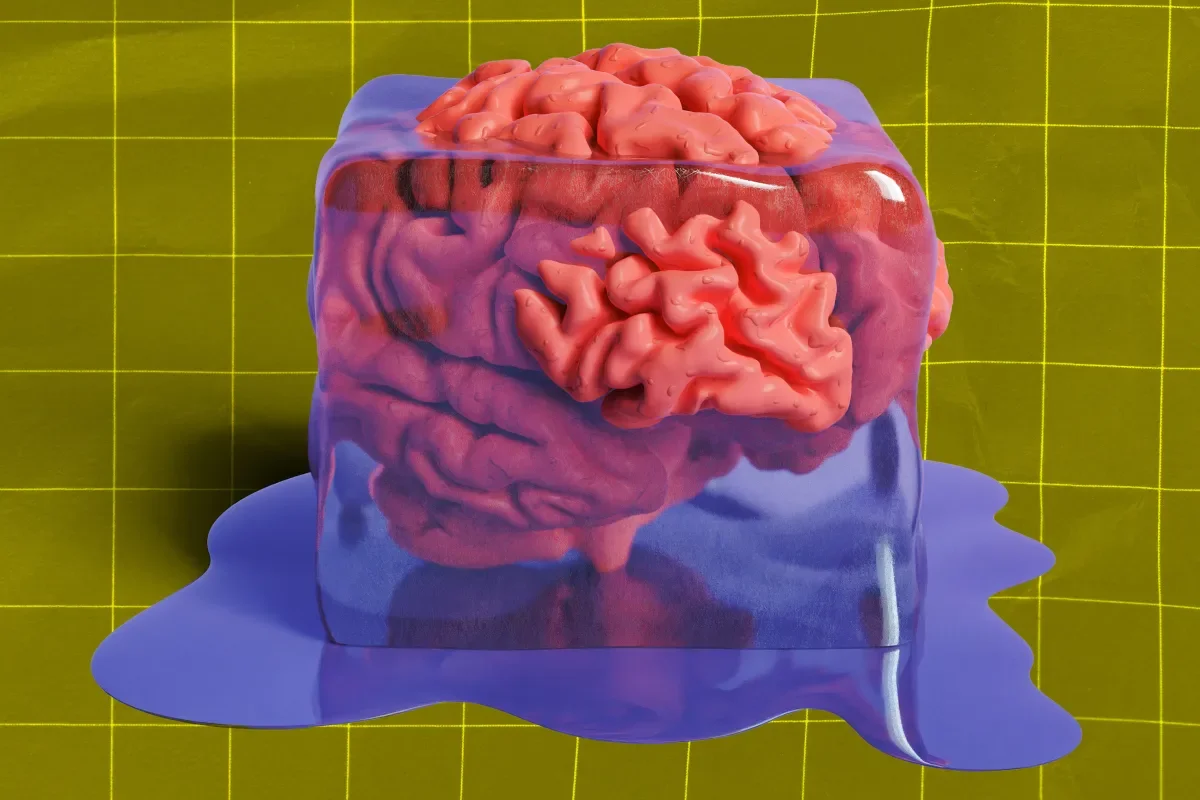
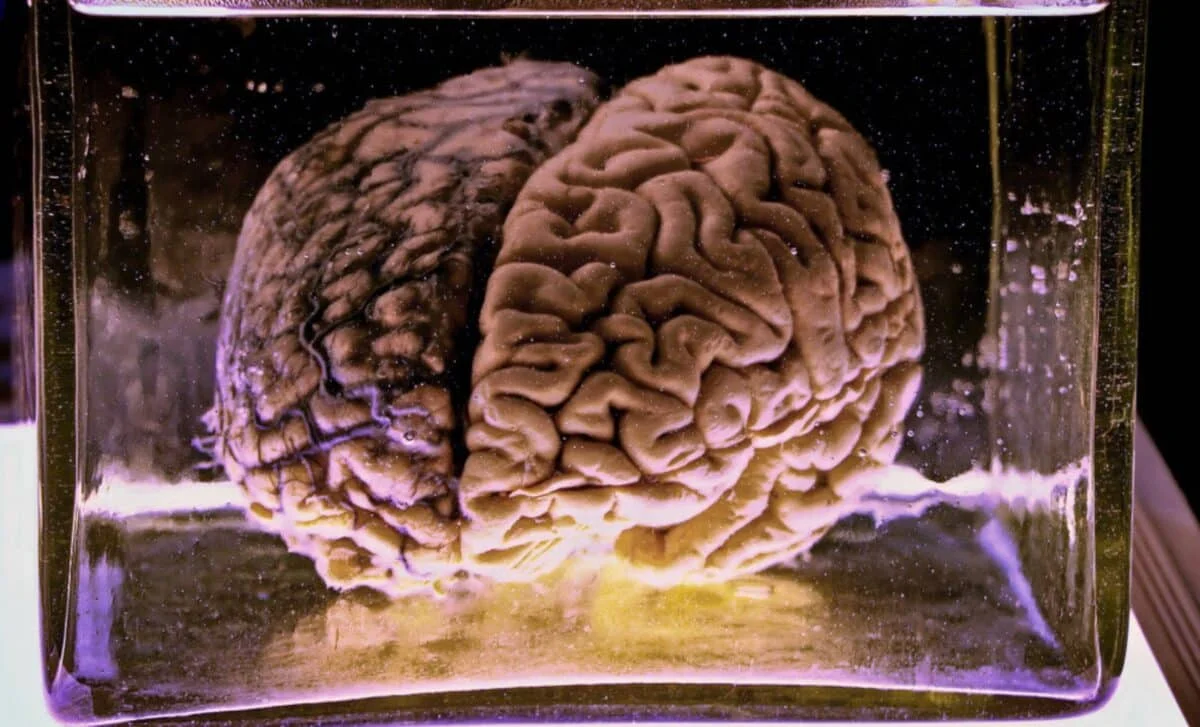
Biogerontologist L. Stephen Coles’ brain was cryopreserved after death and stored for over a decade at -146°C. Greg Fahy later biopsied the preserved tissue and found the fragments to be surprisingly well preserved, suggesting future studies might learn from the brain; however, experts caution the brain is not alive and revival remains unproven, with a peer‑reviewed report still forthcoming.

Reviving Frozen Brain Slices Signals a Leap Toward Cryopreserved Organs
science20 days ago

Reviving Frozen Brain Slices Signals a Leap Toward Cryopreserved Organs

German researchers vitrified 350-micron mouse brain slices, cooled them to -320°F, and after thawing found intact neuronal membranes and preserved hippocampal long-term potentiation, with neurons still responsive to stimulation, suggesting brain function can resume after complete molecular shutdown and opening a path to organ preservation and potential cryopreservation of whole mammals, though translating this to humans and larger organs will require improved vitrification, cooling, and rewarming techniques.

Vitrified Mouse Brains Show Signs of Life After Thaw
science24 days ago

Vitrified Mouse Brains Show Signs of Life After Thaw

German researchers demonstrated vitrification-based cryopreservation of mouse brains, preserving tissue structure and neuronal activity enough for near-normal electrical responses and hippocampal long-term potentiation after thawing; whole brains were kept in a glass-like state at -140°C for up to eight days, yet linking preserved activity to memories and translating the approach to larger organs or human brains remains uncertain and technically challenging.

Cryopreserved brain tissue briefly reawakens, hinting at future organ preservation
science25 days ago

Cryopreserved brain tissue briefly reawakens, hinting at future organ preservation

German researchers vitrified thin mouse brain slices containing the hippocampus, then thawed them rapidly to reveal intact neural connections, active mitochondria, and responsive neurons, with evidence of long-term potentiation. They also tested preserving an entire mouse brain by circulating cryoprotectants, but viability was limited to hours and memory retention was not assessed. While the results hint at medical benefits such as slowing injury-related damage and enabling organ storage, the approach is early-stage and far from reviving whole brains or memories.

Mouse hippocampus regains electrical activity after week-long vitrified freezing
science28 days ago

Mouse hippocampus regains electrical activity after week-long vitrified freezing

Scientists chilled mouse hippocampal slices to a vitrified, glasslike state and stored them at −150°C for seven days before carefully warming them. When thawed, the tissue showed spontaneous synaptic activity and preserved neural structures, indicating functional recovery after extended freezing and suggesting vitrified suspended states can preserve neural circuitry in brain tissue (though this does not demonstrate memory preservation or viability of whole brains).

Vitrified mouse brain slices briefly regain activity after thaw
science1 month ago

Vitrified mouse brain slices briefly regain activity after thaw

German researchers demonstrate that ice-free vitrification can preserve and recover functional activity in mouse brain slices (including hippocampus) after thawing, with intact membranes, preserved mitochondrial activity, near-normal neuronal responses and lasting long-term potentiation for hours. While this marks the first demonstration of revived activity in frozen brain tissue, full brain function restoration and large-scale organ preservation remain out of reach due to ice-crystal damage, osmotic stress and cryoprotectant toxicity; the work hints at potential future applications in disease protection, organ banking and even whole-body cryopreservation, but is limited to slices and short observation windows.

"Unlocking the Potential: Freezing Coral as a Solution for Florida's Imperiled Reefs"
environment2 years ago

"Unlocking the Potential: Freezing Coral as a Solution for Florida's Imperiled Reefs"

Researchers are making strides in cryopreserving coral, with successful freezing of larvae and recent survival of frozen adult corals, offering hope for preserving and restoring reefs in the face of climate change and other threats. While challenges remain, such as limited collection windows and post-thaw bacterial infections, scientists are exploring solutions like antibiotics and even storing frozen samples on the moon. With coral reefs declining, cryopreservation offers a potential lifeline for future restoration efforts.

"Expert Predicts Frozen Humans Revived in 50-70 Years"
science-and-technology2 years ago

"Expert Predicts Frozen Humans Revived in 50-70 Years"

An expert claims that frozen humans could be brought back to life in 50 to 70 years, citing the successful resurrection of a 46,000-year-old worm found in Siberian permafrost. However, the process would require significant advancements in medicine and tissue engineering. Cryoprotectant agents currently used in cryonic technology have toxic effects on the brain and body, making them insufficient for human revival. The ability to revive cryopreserved individuals could have profound philosophical, ethical, and medical implications, potentially offering an alternative to death for patients with terminal diseases.

Revolutionizing Transplant Medicine: Successful Rat Organ Transplant After Freezing
health2 years ago

Revolutionizing Transplant Medicine: Successful Rat Organ Transplant After Freezing

Researchers at the University of Minnesota have successfully cryopreserved a pig's heart, lung, and liver, and then revived them. This breakthrough could lead to a new era of organ transplantation, as it would allow organs to be stored for longer periods of time, making it easier to match donors with recipients. The team is now working on scaling up the process for human organs.

Revolutionary breakthrough: Rat organs successfully unfrozen and transplanted.
health2 years ago

Revolutionary breakthrough: Rat organs successfully unfrozen and transplanted.

Researchers at the University of Minnesota have successfully transplanted vitrified and rewarmed rat kidneys, a breakthrough that could revolutionize transplant medicine. If the technique is successfully translated to humans, it could save tens of thousands of lives each year in the US alone. However, scaling up from rats to humans will require further scientific breakthroughs, and clinical trials are known to be challenging. Additionally, creating a nationwide network of cryopreserved organ banks will take time and raise ethical questions about who receives which kind of transplant.