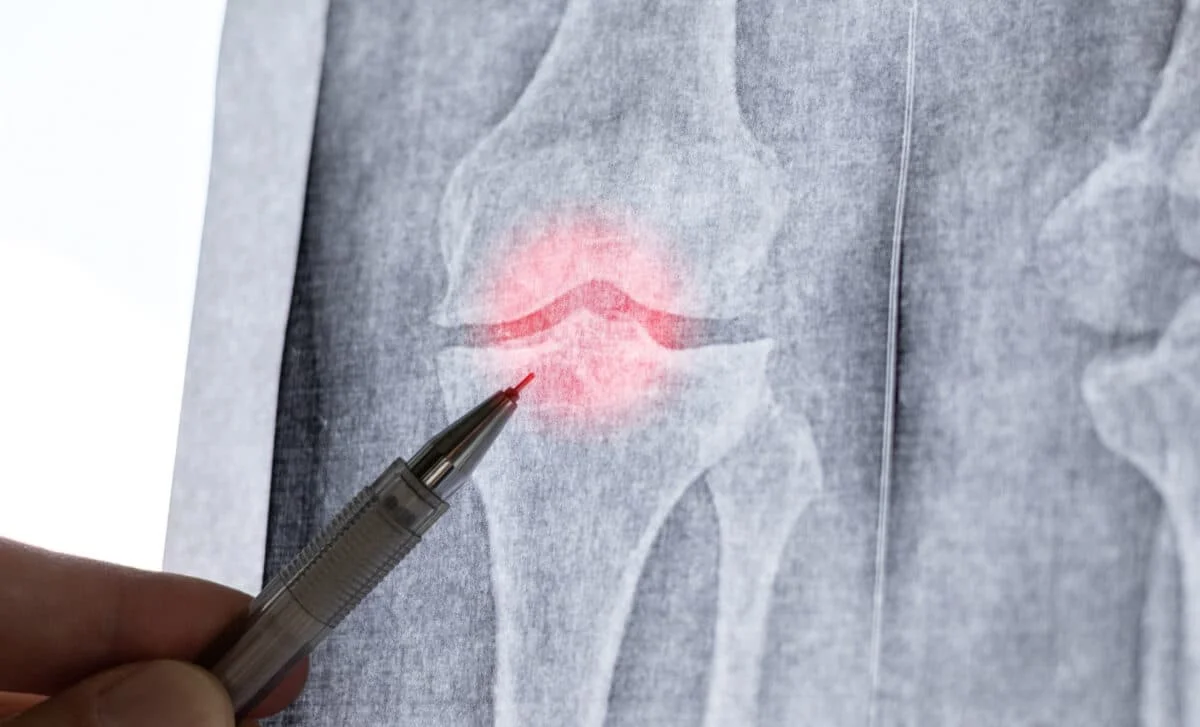
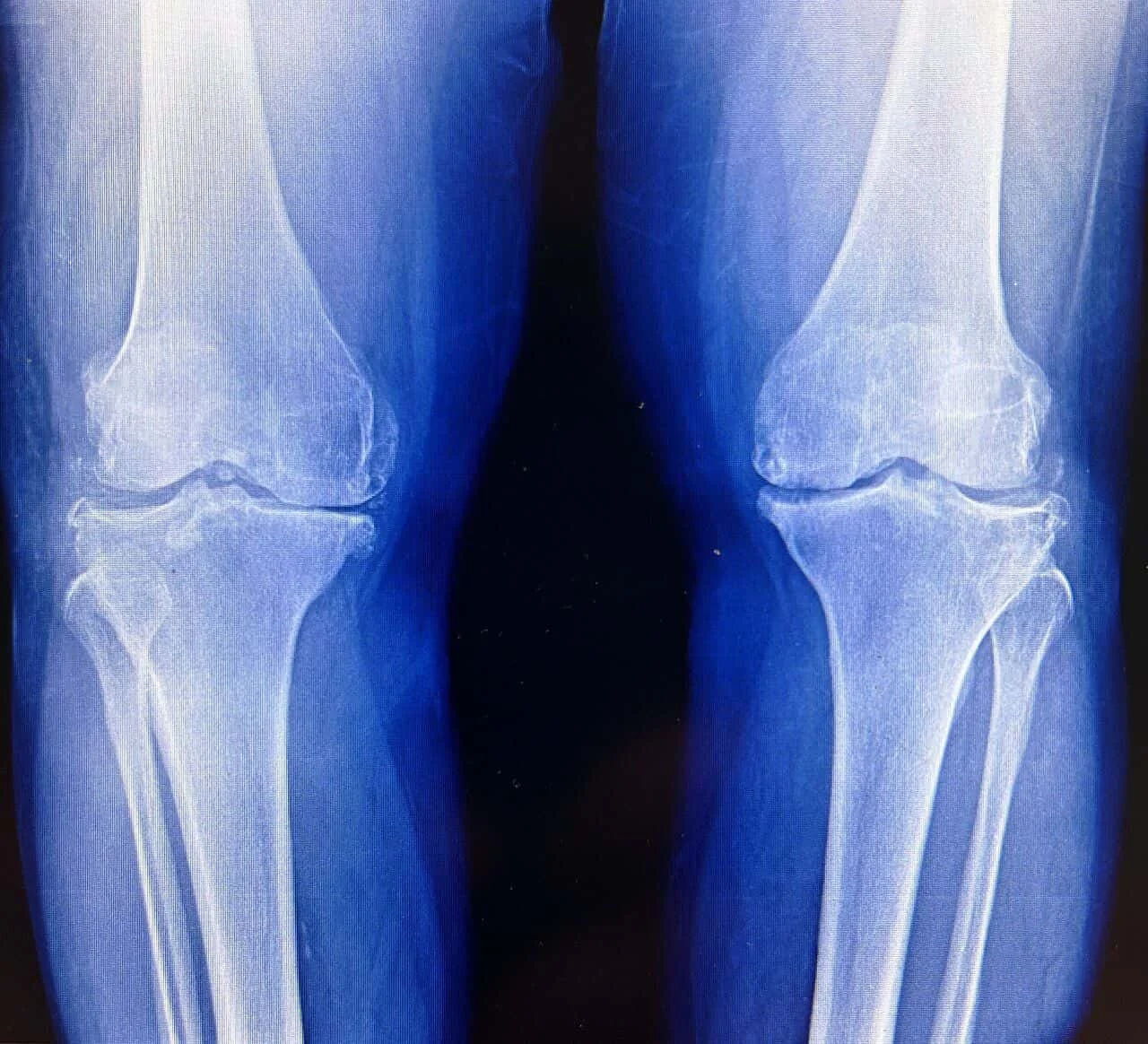
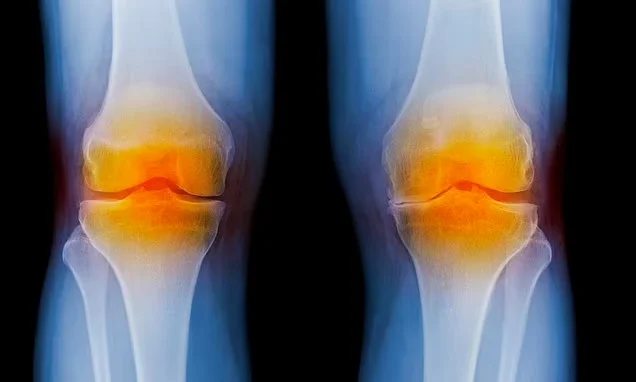
A new study reveals that humans suffer from joint diseases like osteoarthritis because evolution reduced glycosaminoglycan (GAG) production in cartilage to support brain plasticity and endurance running, unlike great apes which retain robust joint cushioning.
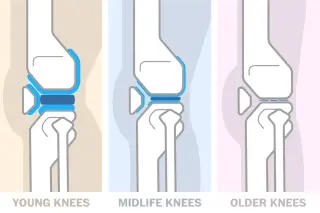
The Washington Post reports that recent scientific findings indicate human knees are more resilient than commonly assumed, challenging the widespread belief that activities like distance running inevitably lead to arthritis. The article, authored by Gretchen Reynolds and Aaron Steckelberg, outlines how knees change across adulthood and emphasizes that physical activity is crucial for maintaining joint health. It highlights that while cartilage and muscle mass decline with age, consistent movement can mitigate these effects and potentially improve joint condition.
UC Boulder researchers report that a single, slow-release injection into damaged joints reversed osteoarthritis in animal models within four to eight weeks, with encouraging early tests on human cells; phase II safety/toxicity studies are planned ahead of potential human trials, though peer review is pending.
A patient with severely worn knee cartilage reportedly regrew cartilage after a single injection, offering a non-surgical alternative to knee replacement and signaling a potential shift in how osteoarthritis is treated.
Stanford researchers block the aging-related gerozyme 15-PGDH with an injectable (and now an oral drug in trials), triggering cartilage regeneration in mouse knee joints and human tissue samples, reversing age-related cartilage loss and showing promise for preventing arthritis after knee injuries.
Researchers have identified the SHP (NR0B2) protein as a key defender of cartilage whose levels fall as osteoarthritis progresses. Restoring SHP in animal models reduced cartilage damage, improved joint function, and dampened cartilage-degrading enzymes (MMP-3 and MMP-13) via the IKKβ/NF-κB pathway. Gene delivery of SHP into affected joints produced lasting benefits, suggesting a potential disease-modifying approach to slow or halt osteoarthritis.
UC Boulder researchers have developed a slow-release injectable therapy that prompts joint cells to repair cartilage and bone, reversing osteoarthritis in animal models within weeks. They’ve completed the first phase of experiments and are moving to safety/toxicity studies to enable human trials—potentially within 18 months—funded by ARPA-H’s NITRO program, as they pursue options beyond pain management and joint replacement.
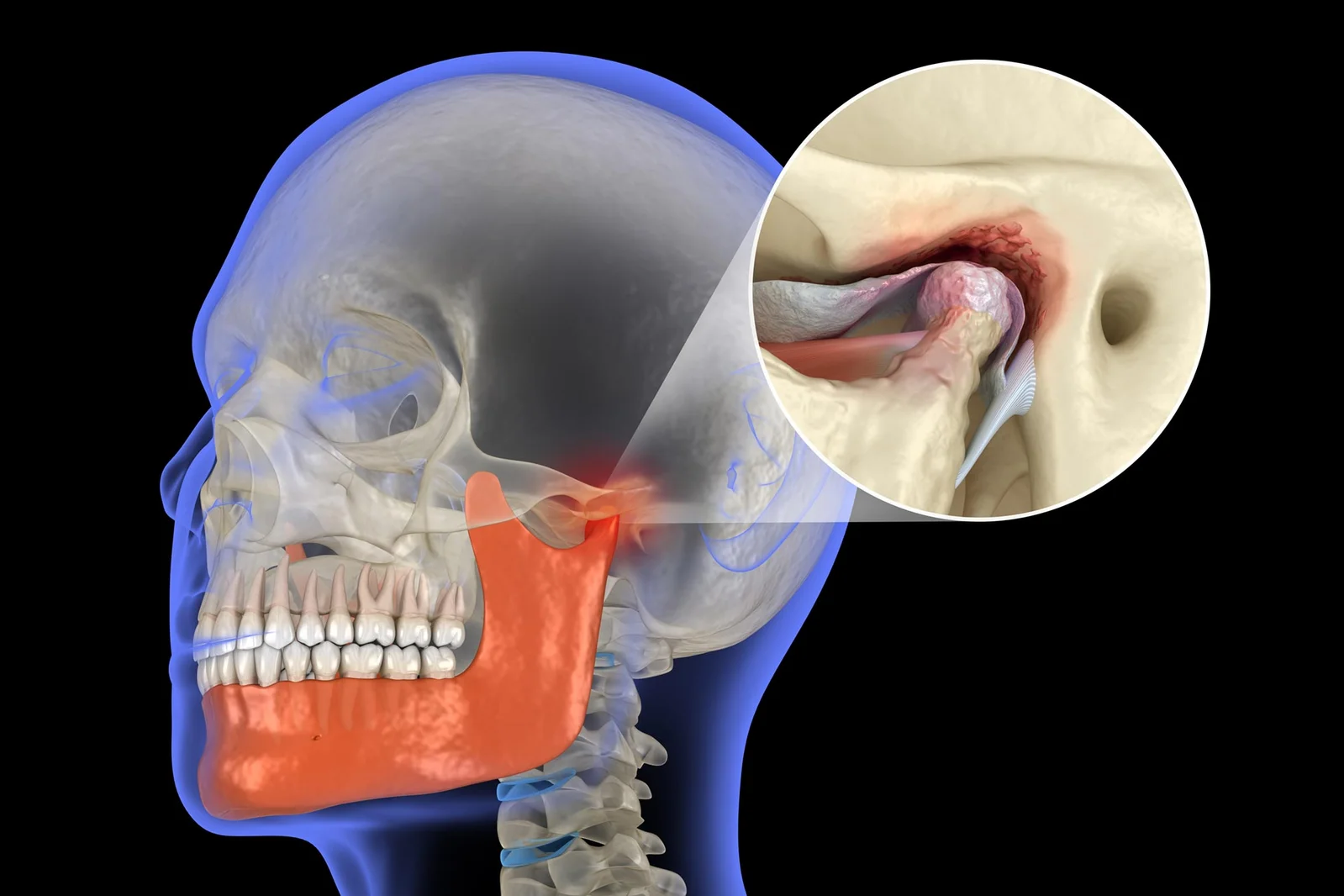
Researchers identify LOXL2 as a protector of jaw cartilage in TMJ osteoarthritis. LOXL2 helps suppress the NF-κB inflammatory pathway, preserves chondrocyte viability, and maintains cartilage matrix. Loss of LOXL2 activates inflammatory genes and accelerates cartilage breakdown; boosting LOXL2 reduced inflammatory markers and protected cartilage in mouse and goat tissues, suggesting LOXL2 as a potential therapeutic target for TMJ disorders, though human studies and approved TMJ-specific treatments are still needed.
Scientists have shown in mice that inhibiting the aging enzyme 15-PGDH can regrow cartilage without stem cells, with treated cartilage thickening into hyaline cartilage and reprogramming existing joint cells to build tissue. Early tests on human cartilage also show reduced enzyme activity and initial matrix rebuilding, suggesting a potential, less invasive path to treating osteoarthritis, though research is in early stages.
Researchers inhibited the aging-associated enzyme 15-PGDH in mice, thickening previously thinned cartilage and shifting local cells toward healthier cartilage formation; early tests on human osteoarthritic cartilage showed reduced enzyme activity and initial signs of matrix rebuilding, suggesting a potential upstream therapy for cartilage loss that doesn’t rely on stem cells.
Researchers at the University of Adelaide have discovered that osteoarthritis (OA) in mice is caused by the depletion of specialized gene-expressing cartilage-forming stem cells and have found a way to reverse the condition. The study suggests that OA may be treatable and reversible, challenging the notion that it is a "wear and tear" condition. By targeting fibroblast growth factor signaling, the researchers were able to stimulate the proliferation of these stem cells and achieve significant recovery of cartilage thickness and reduced OA. While the findings need to be tested in human subjects, a clinical trial using a similar approach has shown promise in improving cartilage thickness and volume.
Researchers have discovered that elevated levels of the protein c-Fos are associated with the severity of osteoarthritis, a common degenerative joint disease affecting over 500 million people worldwide. This breakthrough provides new insights into potential targeted therapies and challenges the previous belief that osteoarthritis solely stems from wear and tear. The study, led by scientists at MedUni Vienna, found that c-Fos is secreted by cartilage cells in response to osteoarthritis signals and plays a role in protecting cartilage. The research team also deciphered the mechanism controlling the production and accumulation of c-Fos in cartilage cells, paving the way for the development of targeted therapies.
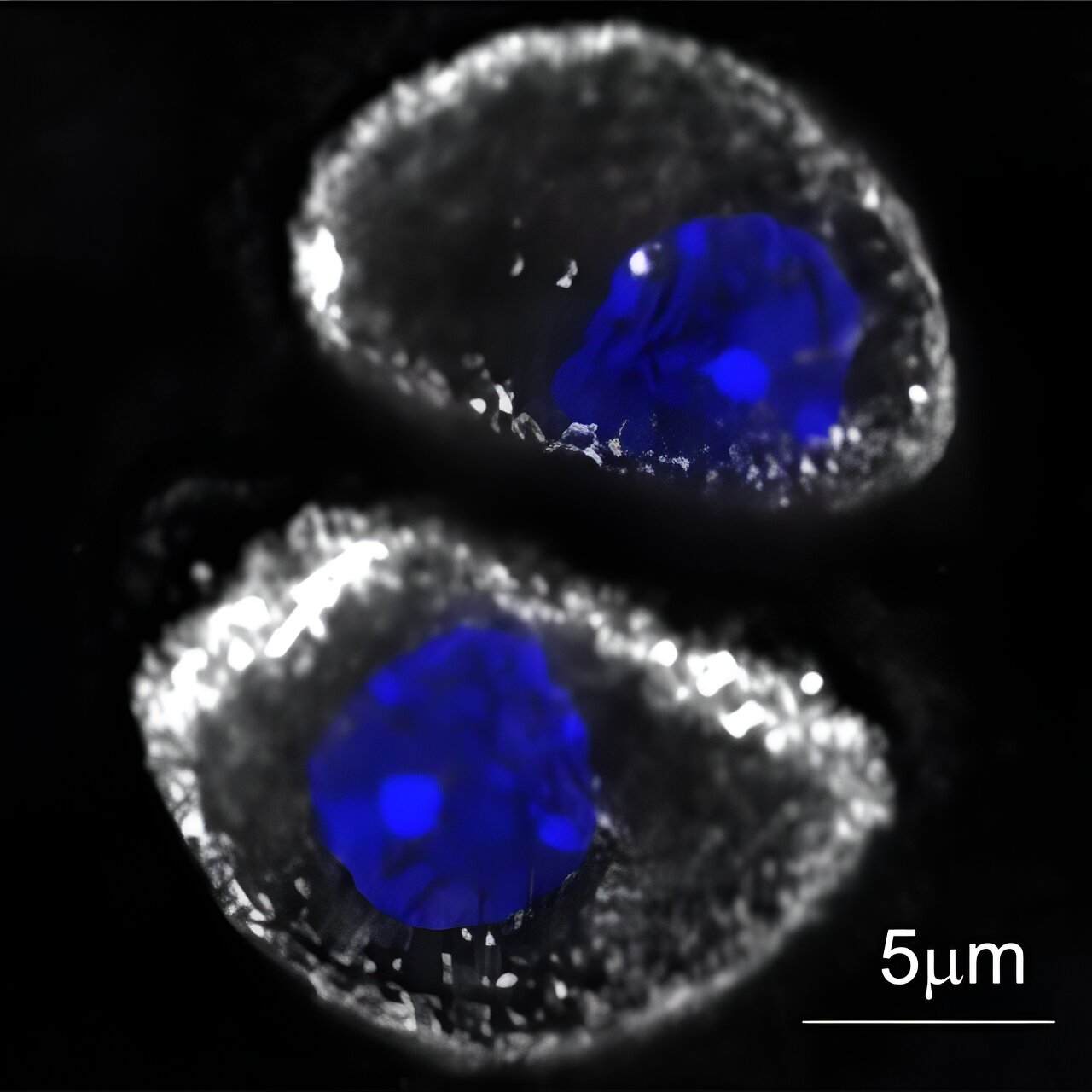
Researchers have identified a previously unstudied protein called adseverin that plays a critical role in protecting healthy joints from osteoarthritis. Adseverin helps maintain the structural scaffolding of cells, known as F-actin, which acts as a shield against the stresses on cartilage cells. Loss of F-actin leads to cell death and the degradation of cartilage. The findings may open doors to developing therapeutics targeting adseverin or F-actin to prevent joint degradation and improve osteoarthritis treatments.
Researchers are using cartilage from healthy joints that have been discarded due to polydactyly, a condition where a person is born with extra digits, to replace worn-out cartilage in patients with osteoarthritis of the knee. All ten patients treated with small sheets of cartilage made from unwanted fingers and toes as part of a pilot project at Tokai University in Tokyo, Japan, went on to show complete regeneration of their own cartilage in damaged knees over the following 12 months, avoiding the need for a replacement knee joint. This technique has the potential to allow people to walk their entire lives on their own knees, without requiring artificial joints.