
Reynolds Wrap Clarifies That Aluminum Foil Sides Are Identical Except for Non-Stick Varieties
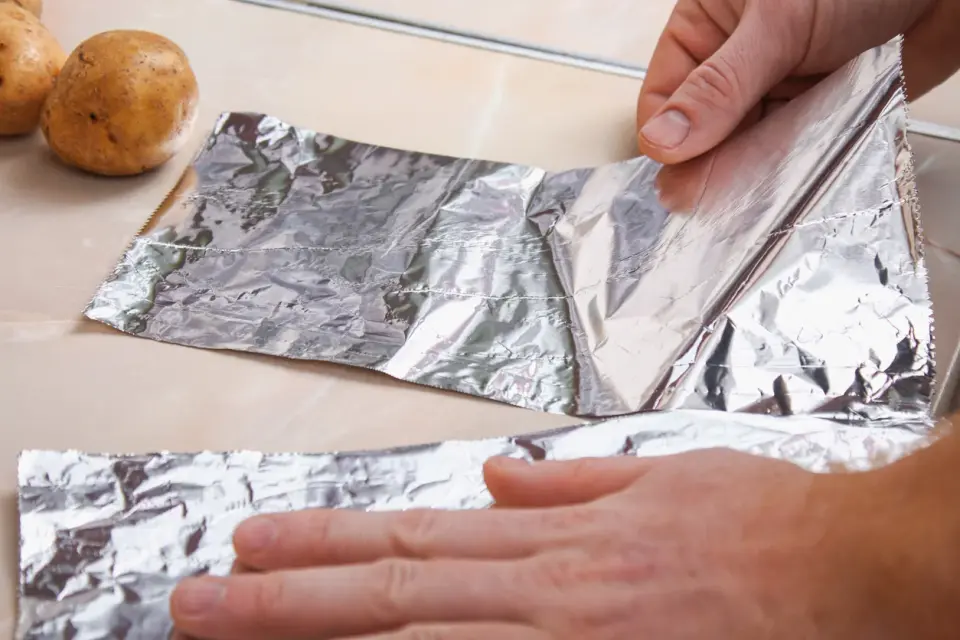
The shiny and matte sides of standard aluminum foil are manufacturing artifacts with no functional difference, according to Reynolds Wrap. Only non-stick foil requires the dull side to face the food.
Key points
- Reynolds Wrap states that standard and heavy-duty aluminum foil performs identically regardless of which side faces the food.
- The two distinct sides result from the final manufacturing stage, where two sheets are pressed together; the side touching polished rollers becomes shiny, while the side touching the other sheet remains matte.
- Food scientist Abbey Thiel confirms that the two sides conduct heat equally, debunking myths that one side reflects heat better.
- Non-stick foil is the only exception, as it features a coating on only one side, requiring the dull side to face the food to function correctly.
- Consumers should check packaging for 'non-stick' labels to determine if side orientation matters, as standard foil usage is purely a matter of preference.
Background
This topic was previously covered in our archive on November 9, 2026, which established that the visual differences in aluminum foil are byproducts of production rather than functional features. The current report expands on this by citing specific manufacturer statements and scientific explanations regarding heat conduction.
Why it matters
Clarifying this common kitchen myth helps consumers avoid unnecessary confusion and ensures proper usage of specialized non-stick products, which can affect cooking results if oriented incorrectly.
What to watch
Consumers can continue using standard aluminum foil without worrying about side orientation, while ensuring they check packaging for non-stick variants to apply the correct side toward the food.
Want the full story? Read the original reporting
Read on TheCoolist