
Silk-Based Scaffold Regenerates Knee Cartilage in Rat Model
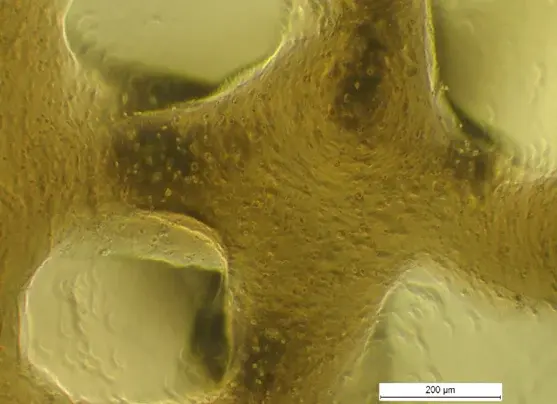
Researchers at IIT Delhi and IIT Kanpur developed a 3D silk-protein scaffold that successfully regenerated damaged knee cartilage in rats. The construct, which includes a bone morphogenetic protein (BMP) blocker, produced new tissue resembling healthy cartilage with minimal inflammation.
Key points
- A team led by Sourabh Ghosh and Amitabha Bandyopadhyay created a scaffold using silk-derived fibroin, gelatine, and a crosslinker to address cartilage degradation.
- The scaffold was modified to inhibit BMP, a protein secreted in excess by osteoarthritis patients that promotes cartilage breakdown.
- The construct also facilitated the WNT/β-catenin signaling process, which is crucial for maintaining cartilage health.
- In rat models with induced osteoarthritis, the scaffold was implanted into defects in the femoral trochlear groove of the knee.
- The treatment resulted in the formation of new cartilage expressing cartilage-specific collagen, indicating durable tissue production.
- Regenerated tissue showed minimal inflammation and lacked markers of enlarged cartilage, closely resembling natural joint cartilage.
Background
This development follows recent advances in cartilage repair strategies. In July 2026, Stanford researchers reported that blocking a specific enzyme in mice could restore cartilage thickness, suggesting future pill-based treatments for osteoarthritis. Concurrently, studies have highlighted the limitations of arthroscopic surgery, with a 10-year trial showing that shaving degenerative meniscal tears offers little benefit and may accelerate joint damage. Additionally, research on spaceflight conditions has explored how compounds like kaempferol can mitigate cartilage loss, though these findings remain preliminary. The current study represents a distinct approach using biomaterial scaffolds rather than pharmacological or surgical interventions.
Why it matters
Osteoarthritis is a leading cause of disability, and current treatments often focus on symptom management rather than tissue regeneration. This study demonstrates a potential pathway for repairing damaged cartilage using biocompatible materials that actively inhibit disease-promoting signals. If successful in human trials, such scaffolds could reduce the need for joint replacements and improve long-term joint function.
What to watch
The next steps will likely involve further animal studies to assess long-term durability and safety, followed by potential clinical trials in humans. Researchers will need to determine if the scaffold can be effectively delivered and integrated in human knee joints, and whether the observed regeneration persists over time without adverse effects.
Want the full story? Read the original reporting
Read on Nature