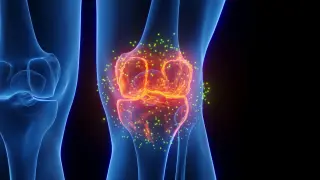
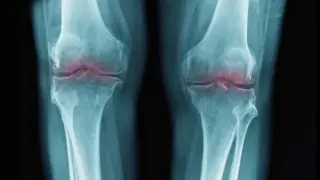
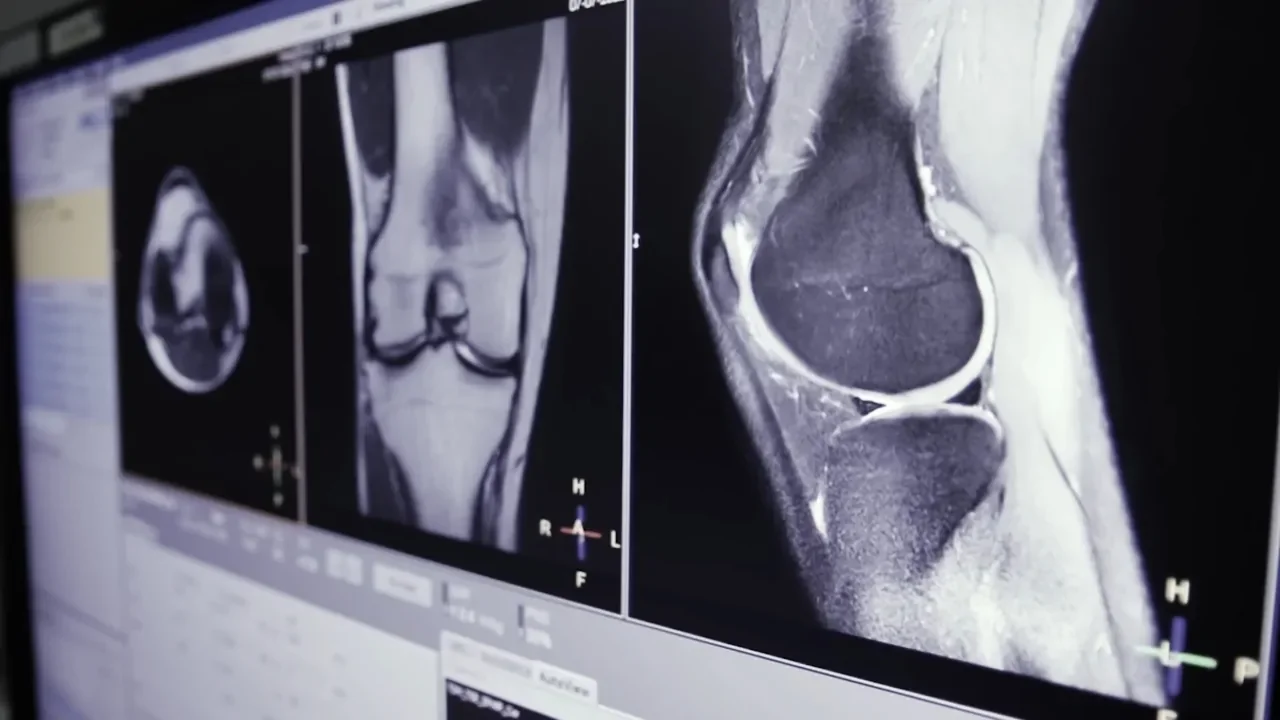
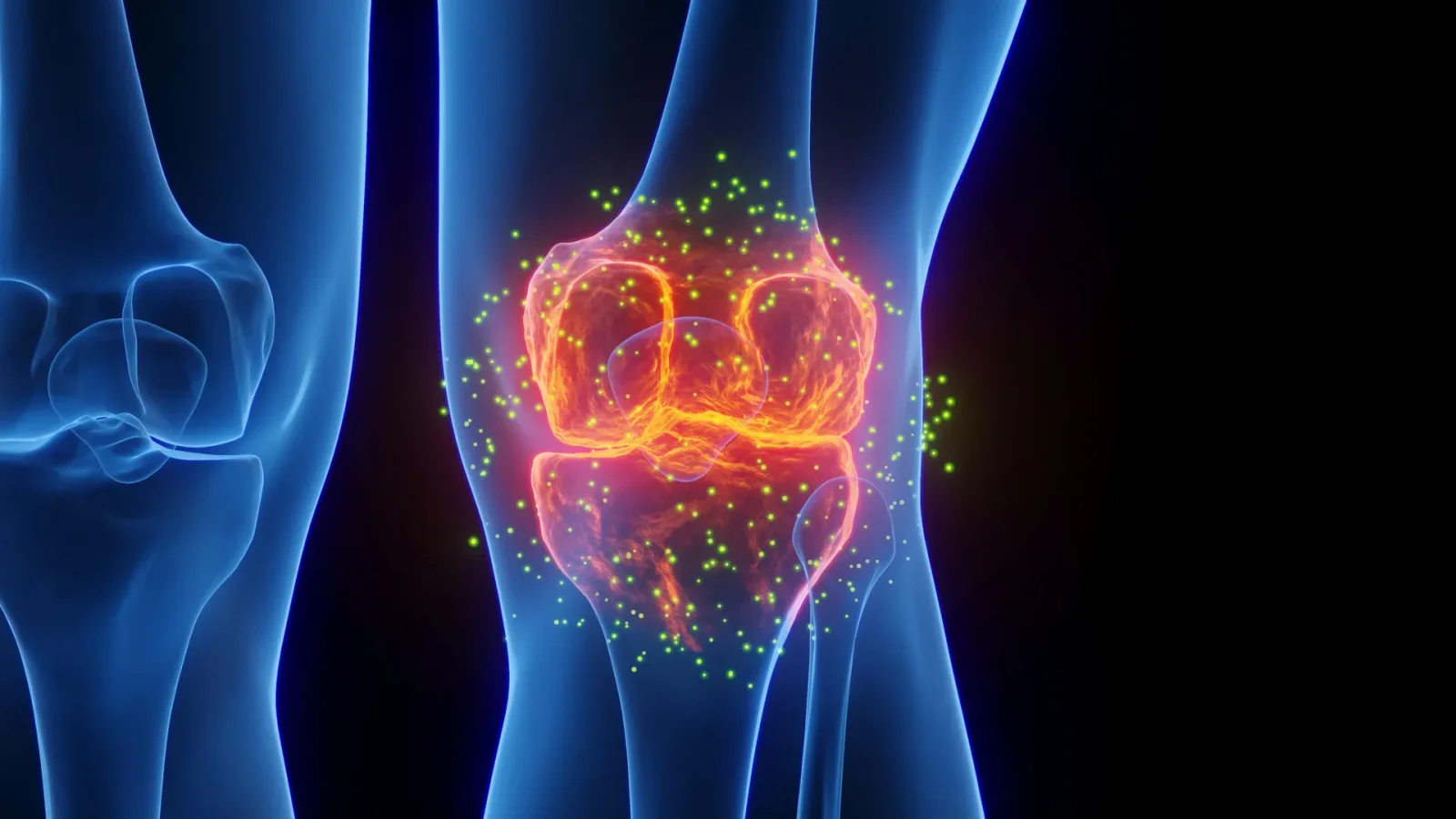
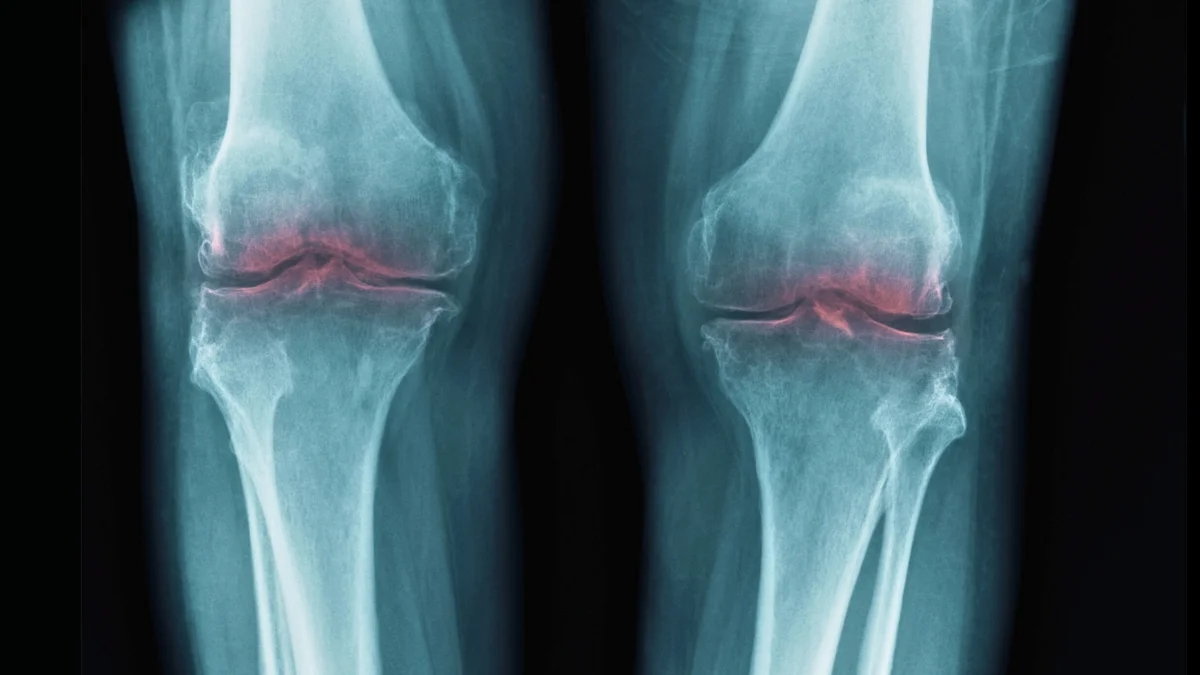
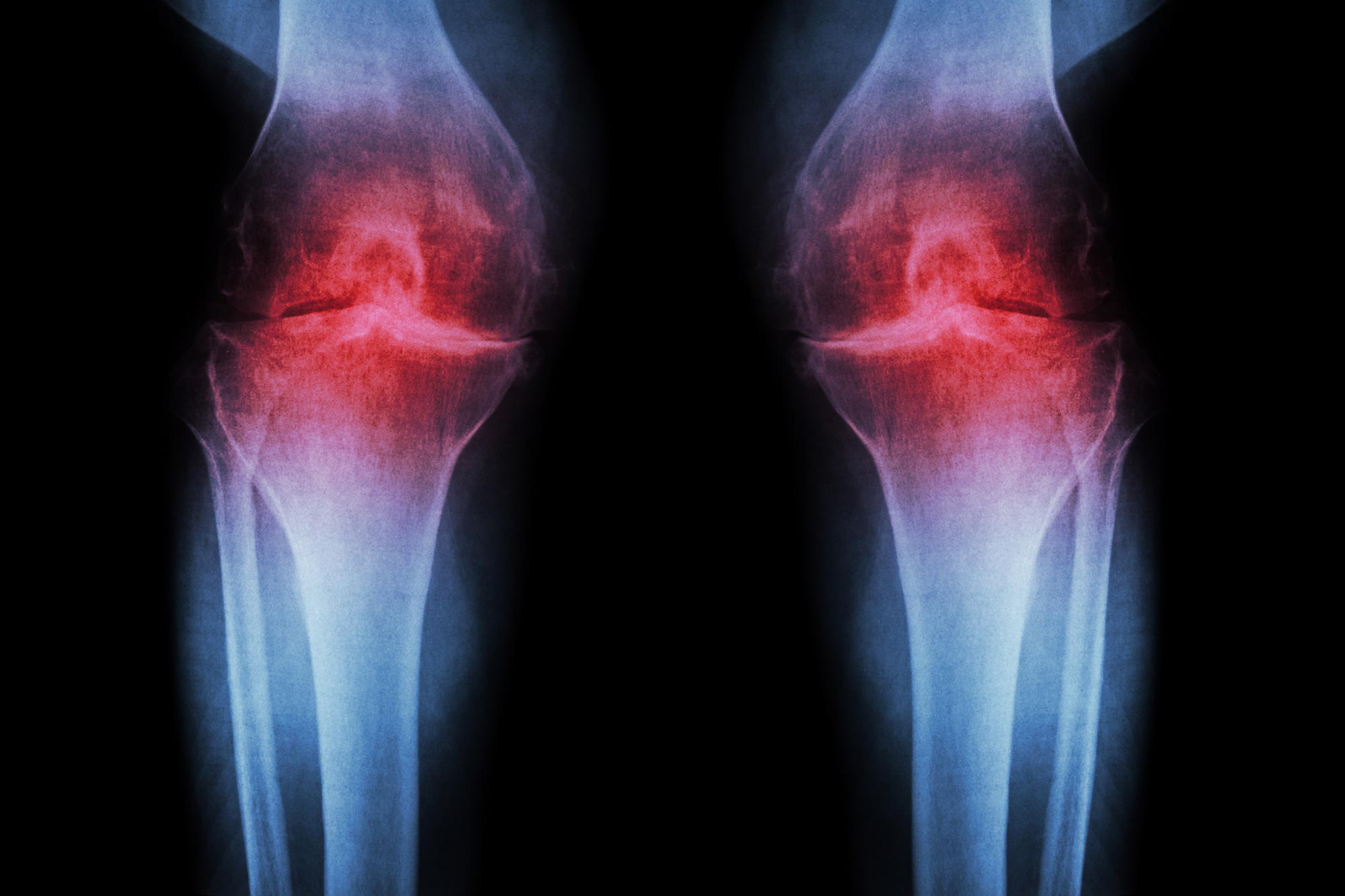
A Stanford Medicine study published in Science shows that blocking the aging protein 15-PGDH can regenerate knee cartilage in mice and human tissue, potentially offering a non-surgical alternative to joint replacement for osteoarthritis.
Stanford researchers discovered that blocking the aging protein 15-PGDH can restore cartilage in mice and human tissue. This approach reverses age-related joint damage and prevents arthritis after injury, potentially replacing joint surgeries with a simple drug.
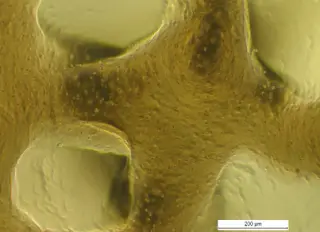
Researchers developed a silk-protein–gelatine 3D scaffold chemically modified to block bone morphogenetic protein (BMP) signaling while enabling WNT/β-catenin pathways. Implanted into rat knee cartilage defects, the scaffold supported new cartilage formation expressing cartilage-specific collagen, with minimal inflammation and a tissue structure closely resembling natural cartilage, offering a potential approach for osteoarthritis treatment.
Stanford researchers identify the enzyme 15-PGDH as a key aging brake on cartilage repair. In mice, inhibiting 15-PGDH thickened worn cartilage and prevented arthritis after joint injury; human cartilage samples showed similar improvements, suggesting a potential new therapy for aging- and injury-related osteoarthritis. The work is part of broader ARPA-H/NITRO efforts with clinical trials planned, and does not rely on stem cells, instead reactivating existing cartilage cells.
Blocking the aging-related enzyme 15-PGDH reprograms existing cartilage cells to regrow hyaline cartilage in aged mice and human knee tissue, prevents osteoarthritis after ACL-type injuries, and could be delivered by injection or an oral drug; the approach might reduce the need for joint replacements if proven in people, and related clinical trials for the inhibitor are already underway for other aging-related conditions; researchers note the regeneration comes from changing existing chondrocytes rather than stem cells, and there are patent/licensing ties involved.
Stanford researchers identify the protein 15-PGDH as a driver of age-related cartilage breakdown and show that blocking it can thicken worn knee cartilage and reprogram existing chondrocytes, reversing degeneration in older mice and regenerating cartilage in human tissue, signaling potential clinical trials and a possible path to avoiding joint replacement.
Stanford researchers showed that inhibiting the aging-related enzyme 15-PGDH reverses cartilage aging in mice, regenerating cartilage and improving gait; human knee tissue also exhibits regeneration signs, suggesting a potential new osteoarthritis therapy with clinical trials possible within 18 months, and crucially without relying on stem cells.
Scientists inhibited the aging-associated enzyme 15-PGDH in aged mice with cartilage damage, triggering regeneration of hyaline cartilage without stem cells and showing early repair signals in human cartilage samples; if these findings translate to humans, treatments for osteoarthritis could shift toward direct cartilage restoration rather than surgery, though safety and clinical trials are still needed.
Stanford researchers showed that blocking the aging‑associated enzyme 15-PGDH with a small molecule regenerates hyaline cartilage in aged mice and prevents arthritis after ACL‑like knee injuries. The treatment also prompted cartilage regeneration in human knee tissue samples ex vivo and could be taken as a pill or injected locally; early‑phase trials in muscle weakness suggest safety and activity in humans, with potential to reduce or delay joint replacement if proven in people.
Researchers at Stanford have discovered that inhibiting the protein 15-PGDH can promote cartilage regeneration and prevent osteoarthritis in mice, offering hope for non-surgical treatments for aging and injury-related joint damage, with promising initial results on human tissue samples.,
Scientists at Stanford have developed a treatment that inhibits the age-related protein 15-PGDH, leading to the regeneration of knee cartilage and prevention of arthritis in mice, with promising results in human tissue, potentially offering a non-surgical option for joint repair.
Scientists in Australia have discovered a type of stem cell that could potentially regenerate decayed cartilage and reverse the effects of osteoarthritis, a debilitating condition that affects millions of people worldwide. The researchers identified a new population of stem cells marked by the Gremlin 1 gene, which is responsible for the progression of osteoarthritis. Treatment with fibroblast growth factor 18 (FGF18) stimulated the proliferation of these cells in joint cartilage in mice, leading to significant recovery of cartilage thickness and reduced osteoarthritis. While the study is limited to animal models, human trials are ongoing, offering hope for a future cure for arthritis.
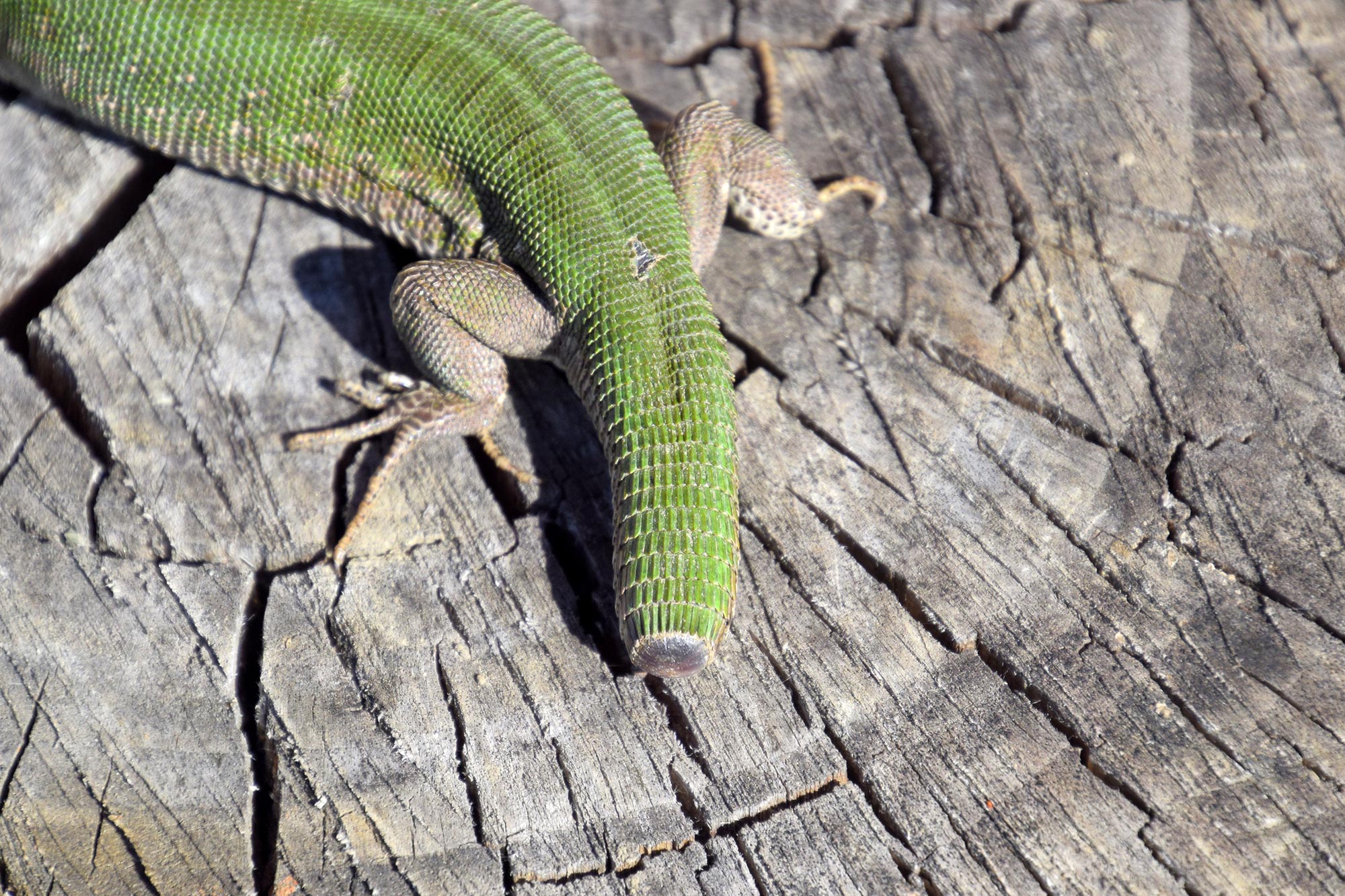
Researchers from the Keck School of Medicine of USC have identified key cells involved in lizard cartilage regeneration, offering potential insights for treating osteoarthritis. The study uncovers the unique interaction between two cell types, fibroblasts and septoclasts, which enable lizards to regenerate cartilage in their tails. This discovery could pave the way for developing methods to regenerate damaged cartilage in humans, addressing the lack of effective treatments for osteoarthritis.
Platelet-rich plasma (PRP) therapy has not been proven to regenerate cartilage or halt the progression of osteoarthritis. A recent trial showed no benefit of PRP injections compared to a placebo. The main treatment for osteoarthritis is regular exercise and pain medication as necessary. Calcium supplements have mixed results in terms of safety, with some studies showing a small increase in the risk of developing blockages in the heart arteries. It is generally recommended to obtain calcium from the diet, such as dairy products and certain fish, to reduce the risk of heart disease and kidney stones. However, there are situations where calcium supplementation may be necessary, such as in individuals with osteoporosis who are unable to obtain enough calcium from their diet.