
Navigating the Fine Line Between Danger and Pleasure
TL;DR Summary
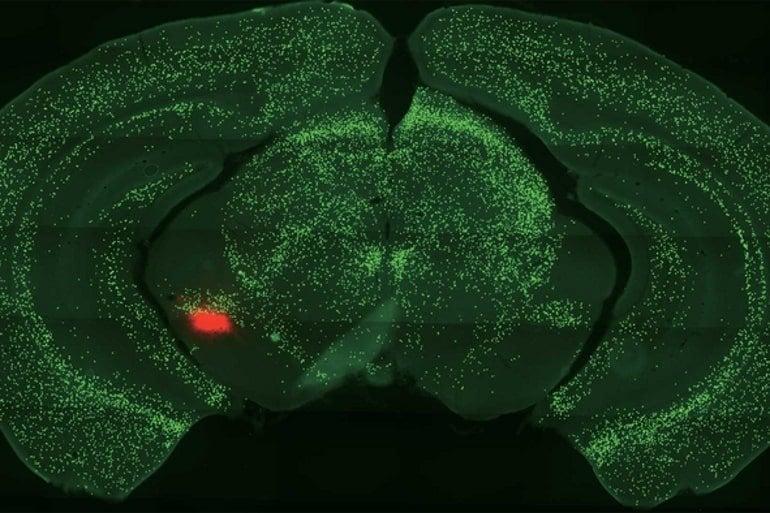
Somatostatin-expressing neurons in the amygdala help distinguish between good and bad stimuli, responding differently to rewards versus punishments and even different types of rewards. Inhibiting these neurons in mice resulted in an inability to learn to associate sounds with rewards or punishments, providing potential insight into addiction and opportunities for new treatments. The study also found that these neurons are important for regulating the function of dopamine neurons, which could lead to better treatments for addiction.
Reading Insights
Total Reads
0
Unique Readers
9
Time Saved
3 min
vs 4 min read
Condensed
90%
743 → 76 words
Want the full story? Read the original article
Read on Neuroscience News