
Japan yields its smallest iguanodontian bone, widening the coastal dinosaur picture
TL;DR
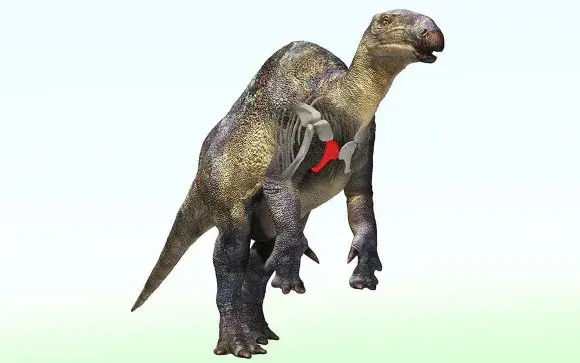
A right sternal plate unearthed in 1999 from Japan’s Ashizawa Formation (Futaba Group, ~90 million years old) has been re-identified as a small iguanodontian styracosternan, about 3 meters long. This makes it one of the smallest iguanodontians known from Japan and suggests iguanodontians of varying sizes inhabited Late Cretaceous coastal East Asia, supporting high regional dinosaur diversity. The find by Masami Kondo and colleagues was published in Paleontological Research in 2026.
Topics:sciencepaleontology#ashizawa-formation#fukushima#iguanodontian#japan#paleontology#styracosternan
Want the full story? Read the original reporting
Read on Sci.News