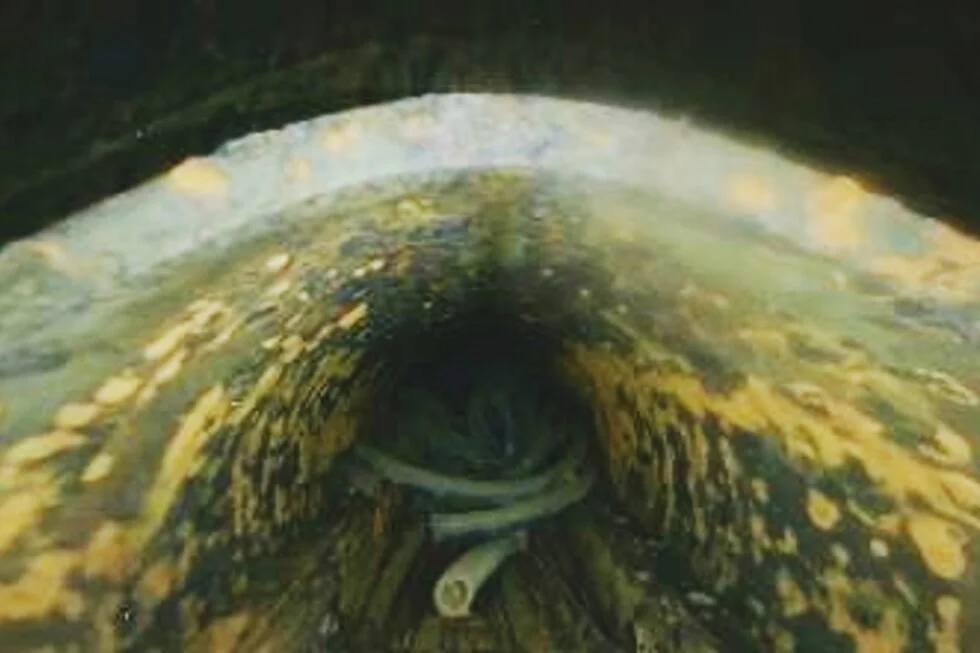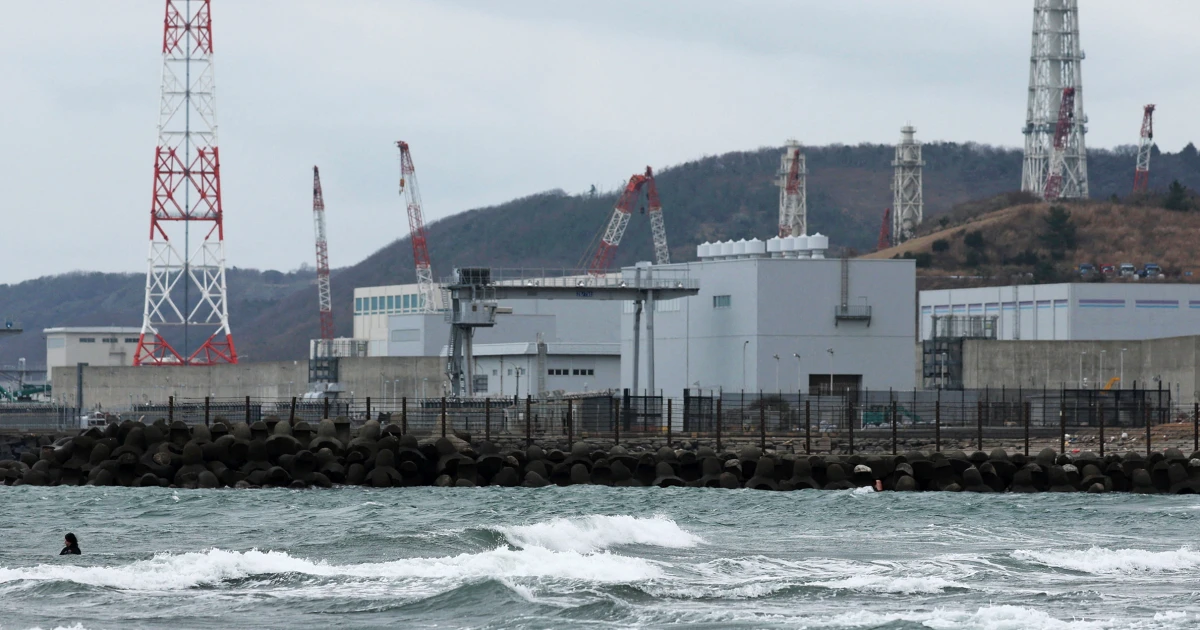
A drone video from inside the Unit 3 reactor at Fukushima Daiichi shows a hole in the reactor’s pressure vessel, likely where fuel debris sits, marking a rare visible confirmation in the ongoing aftermath of the 2011 disaster.
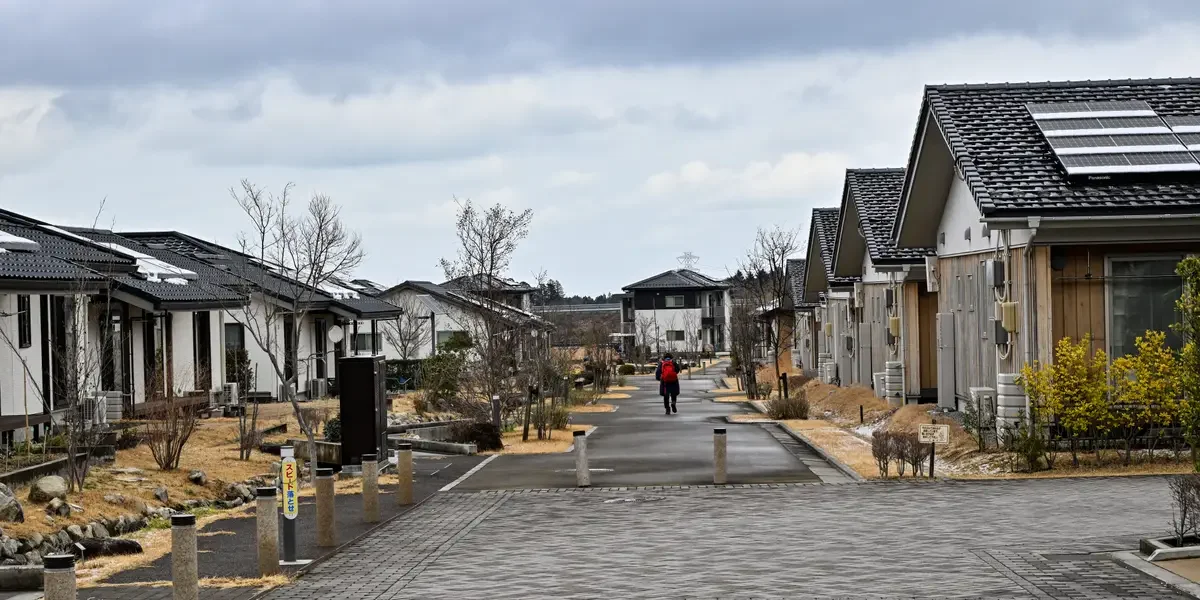
Fifteen years after the Fukushima Daiichi meltdown, the region shows a mixed recovery: some towns have rebuilt, others remain largely abandoned with ongoing cleanup, waste disposal, and monitoring. The 2011 quake and tsunami caused three reactor meltdowns, tens of thousands displaced and about 2,300 disaster-related deaths, and while Japan has reformed nuclear governance and enabled a few reactor restarts elsewhere, public concern remains. The 2023 treated wastewater release drew criticism from locals and the UN, and the area continues to grapple with radiation monitoring, resettlement, and long-term environmental and economic impacts.
Researchers studying water beneath Fukushima’s reactors found bacteria thriving in radioactive conditions not thanks to classic radiation resistance but likely because protective biofilms form on metal surfaces; some microbes can cause metal corrosion, complicating cleanup efforts, and scientists speculate marine bacteria may have ridden in with the 2011 tsunami, revealing unexpected life in extreme environments.
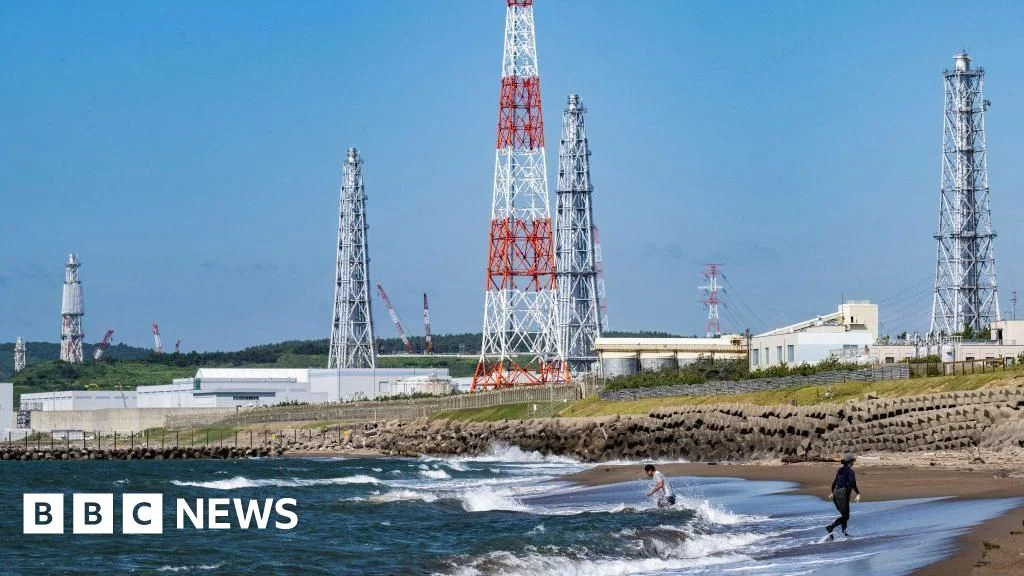
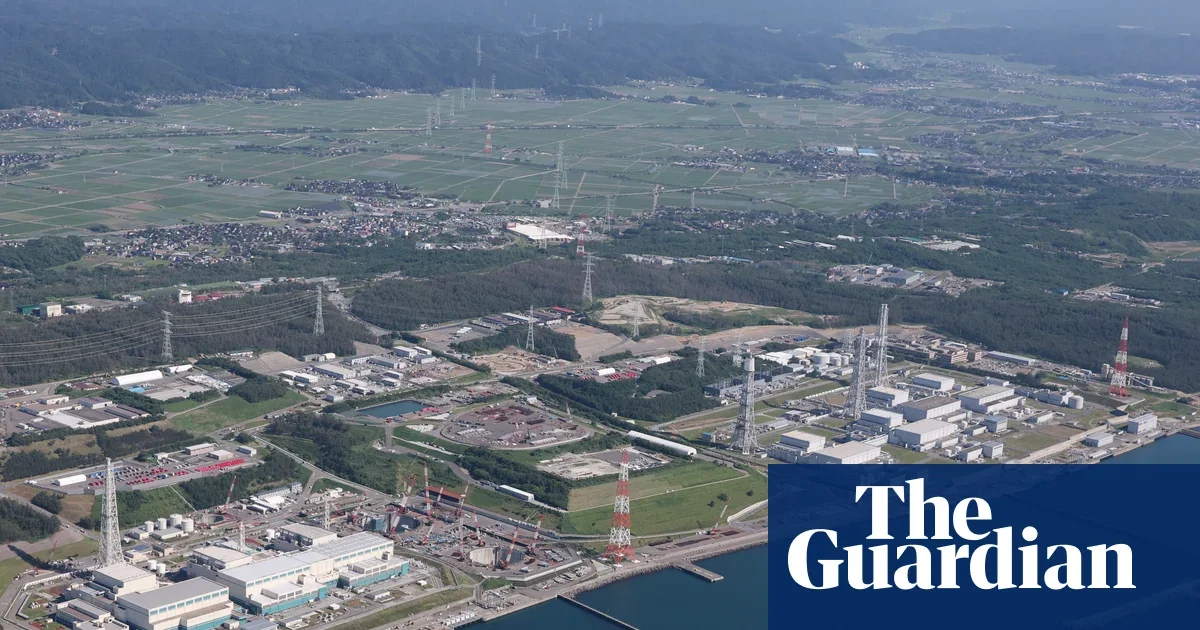
Japan has restarted reactor 6 at the Kashiwazaki-Kariwa plant, the world's largest by capacity, marking the first restart since the 2011 Fukushima disaster; only one of seven reactors is back online for now, with the rest still uncertain and a 2030 timeline for the remaining unit. The move comes amid tightened safety standards and ongoing public distrust, as Japan pursues a longer-term push to revive nuclear power to meet energy self-sufficiency goals and 2040 targets, all while facing rising costs and protests.
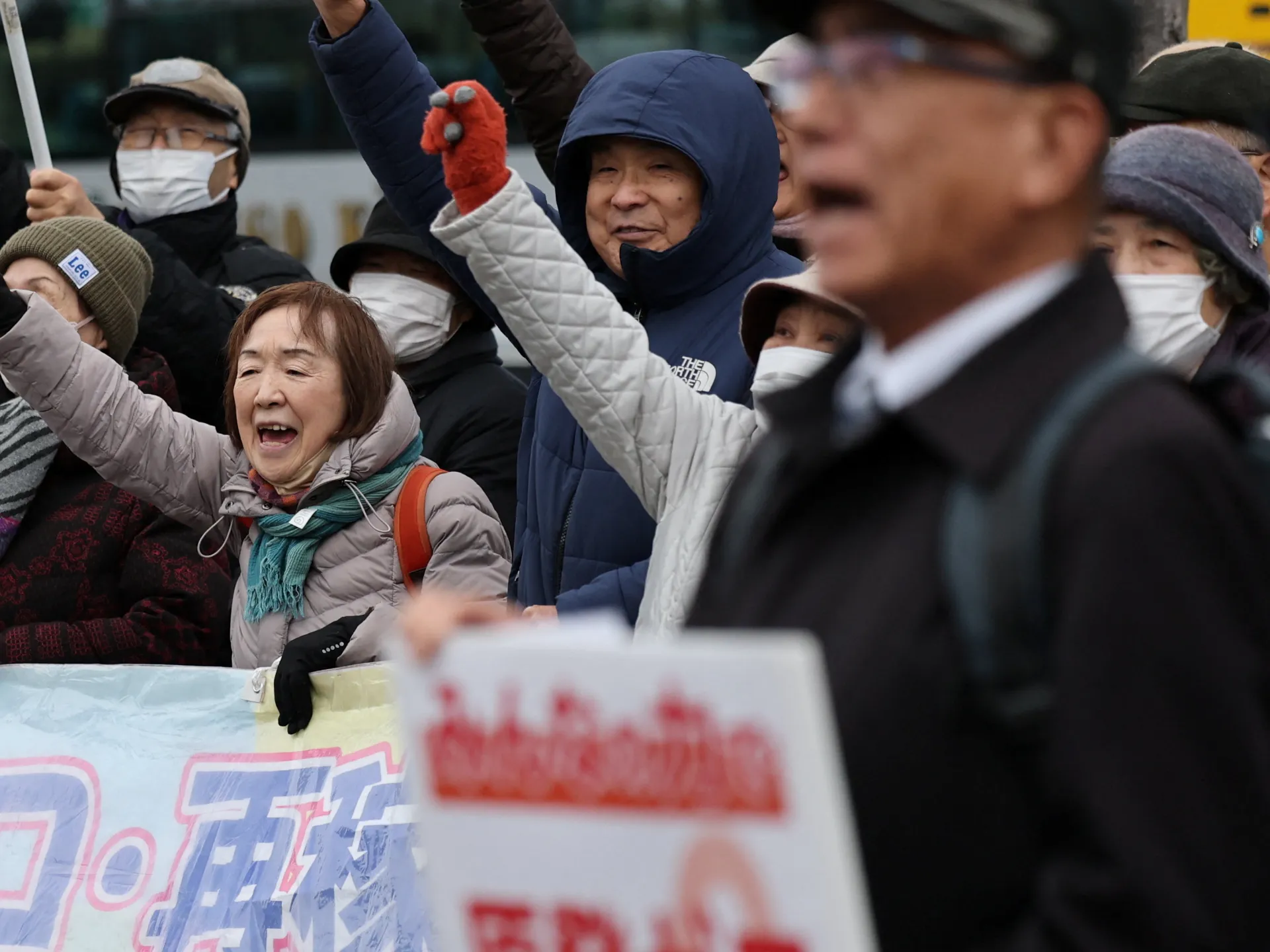
As Japan marks 15 years since the Fukushima disaster, Tepco plans to restart reactor No. 6 at Kashiwazaki-Kariwa, the world’s largest nuclear plant in Niigata. The move, aimed at boosting energy security and emissions targets, faces fierce local opposition and safety concerns about evacuation capabilities for hundreds of thousands nearby. A delay due to a test alarm was followed by expectation it will go online soon, potentially adding about 2% to Tokyo-area electricity, but critics say safety and trust remain doubtful.
Japan is shifting its energy strategy to maximize nuclear power while significantly expanding renewable energy sources like wind, solar, and geothermal, aiming for a 100% renewable target in Fukushima by 2040, despite the controversial history with nuclear energy post-Fukushima disaster and ongoing debates about decarbonization efforts.
Japan is considering restarting the Kashiwazaki-Kariwa nuclear plant, the world's largest, after 15 years since Fukushima, amid public protests and concerns over safety, as the government aims to boost energy security and meet decarbonization goals.
Japan is set to restart the Kashiwazaki-Kariwa nuclear power plant, the world's largest, after a 15-year hiatus following the Fukushima disaster, amid public protests and political support, as the country seeks to reduce reliance on fossil fuels and enhance energy security.
Japan is set to restart the Kashiwazaki-Kariwa nuclear plant, the world's largest, marking a significant step in its return to nuclear energy post-Fukushima, despite local opposition and safety concerns, as the country aims to reduce reliance on fossil fuels and meet future energy demands.
Japan is set to approve the restart of the Kashiwazaki-Kariwa nuclear plant, the world's largest, marking a significant step in its return to nuclear energy post-Fukushima, despite local opposition and safety concerns, as the country aims to reduce reliance on imported fossil fuels and meet future energy demands.
Workers at Japan's Fukushima nuclear plant evacuated following a tsunami warning triggered by an 8.7 magnitude earthquake off Russia's coast, reviving concerns about the site which was devastated by a 2011 disaster. The plant still faces significant challenges in decommissioning, including managing radioactive waste and contaminated water, with delays in cleanup plans and ongoing debates about nuclear power's role in Japan's energy future amid seismic risks.
The full-scale removal of melted nuclear fuel debris at Fukushima Daiichi is delayed until at least 2037 due to extensive preparation needs, pushing back Japan's decommissioning timeline originally set for 2051, with experts estimating the process could take over a century.
The Fukushima Daiichi nuclear plant's full-scale removal of melted fuel debris has been delayed until 2037 or later due to extensive preparation needs, setting back Japan's decommissioning timeline originally targeted for 2051, with experts estimating the process could take over a century.
Japan plans to reuse slightly radioactive soil from Fukushima in flower beds outside Prime Minister Ishiba's office to demonstrate safety, amid ongoing decontamination efforts and public concern over radioactive waste disposal.
Images taken by miniature drones from inside the damaged Fukushima reactor show displaced control equipment and misshapen materials, leaving many questions unanswered about the location and condition of the highly radioactive melted nuclear fuel. The drones' high-definition color images revealed brown objects of various shapes and sizes dangling from the pedestal, but officials were unable to determine whether they were melted fuel or equipment without additional data. The daunting task of decommissioning the plant, which has been delayed for years by technical hurdles and lack of data, remains a significant challenge.