
The Paradoxical Nature of Stephen Hawking's Cosmology
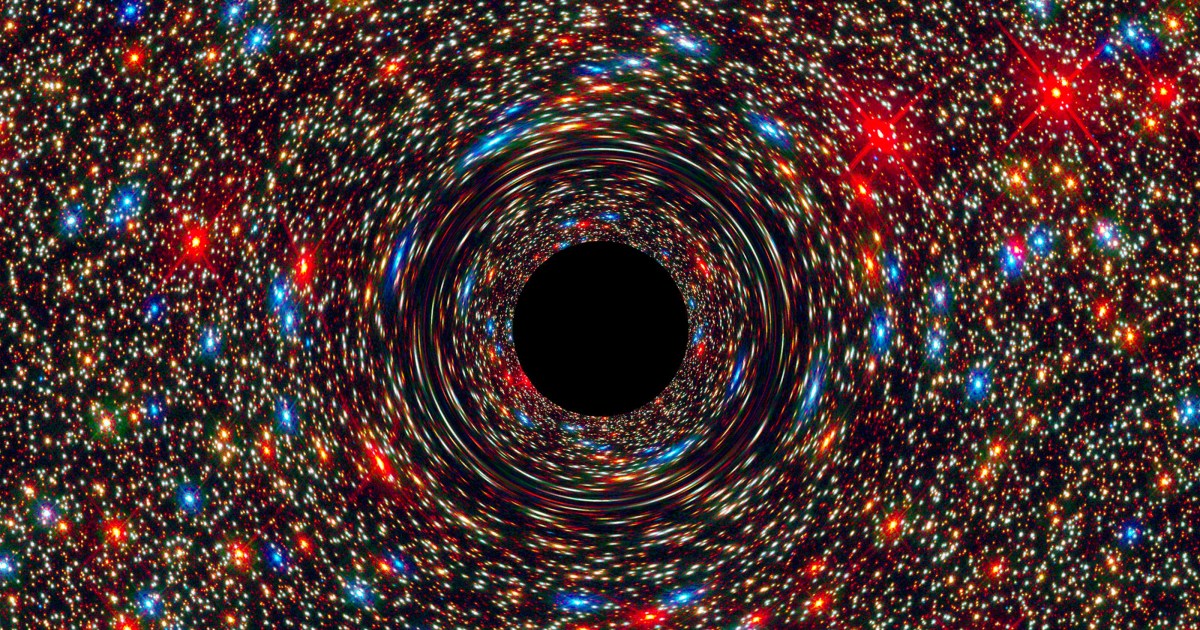
Physicists face a paradox with multiverse cosmology, which suggests that the universe underwent a short burst of rapid expansion in its earliest stages, generating not one but many universes. The multiverse destroys much of the predictive power of this theory, which is a paradox. Stephen Hawking's discoveries on black holes and the multiverse became two of the most vexing and hotly debated physics puzzles of the last decades. Both paradoxes strike at the heart of the question as to what physical theories are ultimately about and embody the profound difficulties that arise when we try to get the two pillars of twentieth-century physics, relativity and quantum theory, to work in harmony.
Reading Insights
0
11
3 min
vs 4 min read
86%
799 → 111 words
Want the full story? Read the original article
Read on Big Think