
Why Your Photos Feel Wrong: The Psychology of Mirror Bias
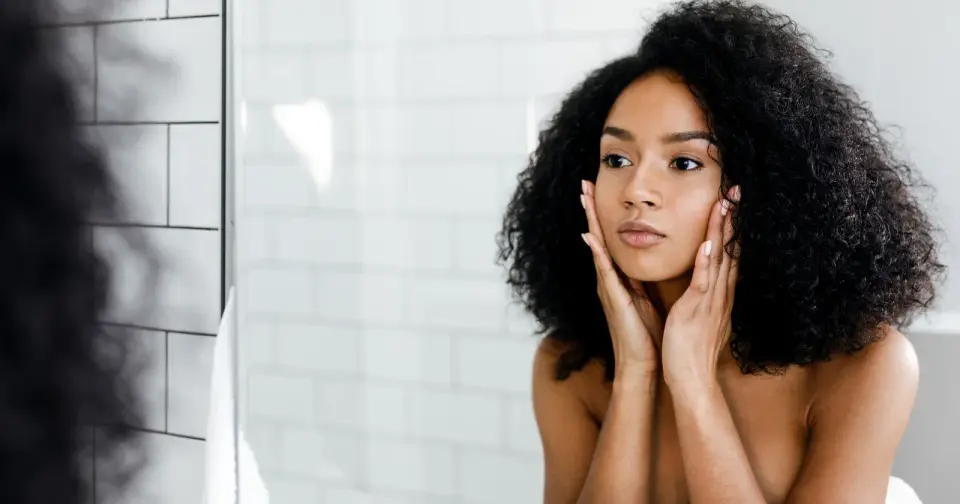
The discomfort many feel when viewing their own photographs stems from the 'mere-exposure effect,' which causes people to prefer the left-right flipped version of their face seen in mirrors over the true, un-reversed version seen by others. A 1977 study confirmed that individuals prefer their mirror image, while friends prefer the true image, demonstrating that familiarity drives aesthetic preference for one's own appearance.
Key points
- Mirror images are left-right flipped, creating a reversed copy of the physical face that individuals see daily.
- The 'mere-exposure effect' suggests that repeated exposure to a stimulus, such as one's own mirror reflection, fosters a positive attitude toward it.
- A 1977 study by Mita, Dermer, and Knight found that participants preferred their mirror-image photos, while their friends preferred the true-image photos.
- Human faces are asymmetrical; the mirror version feels familiar because individuals have adjusted to its specific asymmetries over time.
- The discomfort with photos arises because they show the 'true' face, which is unfamiliar to the individual but familiar to others.
Background
This topic aligns with broader discussions on self-perception and identity, such as our July 2026 coverage on how people perceive their inner selves as more complex than others realize. While previous articles focused on external observations of identity, this piece delves into the physiological and psychological mechanisms behind visual self-recognition.
Why it matters
Understanding this phenomenon explains a common source of self-dissatisfaction and highlights how deeply familiarity shapes our perception of reality. It underscores that our self-image is not an objective truth but a constructed preference based on repeated exposure, affecting how we interact with our own identity in a world that sees us differently.
What to watch
There are no immediate next steps for this topic, as it is an established psychological concept. However, individuals may choose to consciously view their true face in photographs to build familiarity and reduce the dissonance between their mirror image and their real-world appearance.
Want the full story? Read the original reporting
Read on Space Daily