
Super El Niño Drives Record Coral Bleaching as Scientists Test Acoustic and Microbial Rescue Tactics
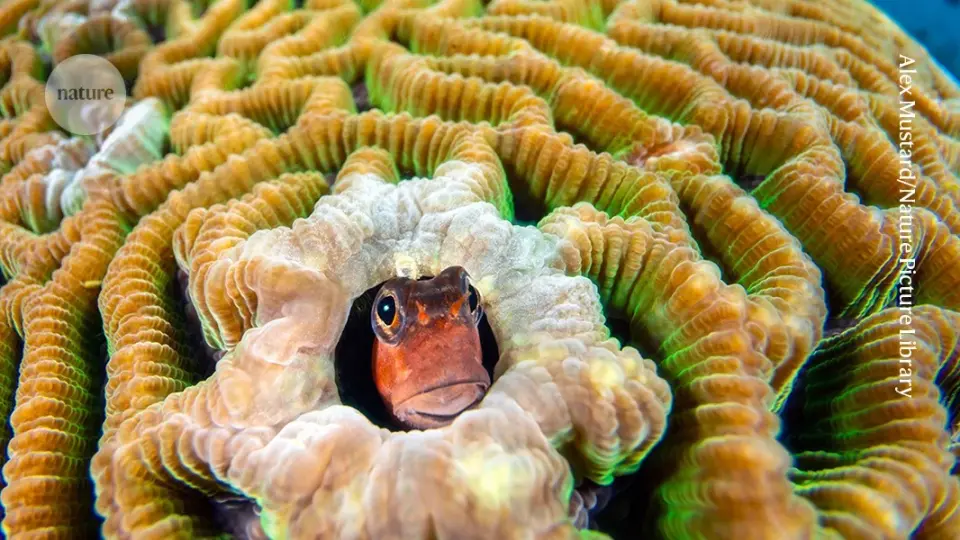
A record-breaking El Niño is intensifying global coral bleaching, with hard coral cover dropping 8.9% in 2024 alone. Researchers are deploying experimental interventions, including underwater soundscapes and probiotics, to aid recovery, though experts warn that sea-level rise may outpace reef growth within 35 years.
Key points
- The current El Niño is projected to be the largest on record, driving ocean temperatures to levels that cause widespread coral bleaching in Florida, Panama, and Kiribati.
- Global hard coral cover fell by 9.5% between 2020 and 2024, with the 2024 decline representing the largest single-year drop in recorded history.
- Woods Hole Oceanographic Institution is testing underwater speakers that play sounds of healthy reefs to lure coral larvae to degraded sites, a method that doubled settlement rates in trials.
- Researchers are also using microbial inoculations and moving corals to deeper, cooler waters to mitigate heat stress, though scaling these efforts remains a funding challenge.
- A study from Nanyang Technological University indicates that 76% of Indo-Pacific reef sites may fail to keep pace with rising sea levels if the rate exceeds 5.3mm per year, a threshold potentially reached within 35 years.
Background
Previous coverage in August 2026 highlighted the Super El Niño’s potential to become the strongest on record, triggering global weather shifts and economic risks. While earlier reports focused on atmospheric impacts like winter storms and droughts, the current focus shifts to the oceanic consequences, specifically the compounding heat stress on marine ecosystems that have not fully recovered from the 2025 bleaching event.
How outlets are covering it
Nature emphasizes the urgency of experimental interventions, such as acoustic lures and probiotics, to buy time for reefs facing imminent heat mortality. In contrast, Asian Scientist Magazine highlights a structural limitation, noting that even if corals survive heat, they may 'drown' as sea levels rise faster than they can build calcium carbonate structures. The Independent’s coverage was largely obscured by technical code in the provided source, but its headline suggests a focus on the novelty of the acoustic rescue methods. While Nature views these techniques as critical emergency measures, Asian Scientist warns that local conservation efforts cannot offset the pace of sea-level rise without significant greenhouse gas reductions.
Why it matters
The convergence of record ocean temperatures and rapid sea-level rise threatens the collapse of coral ecosystems, which protect coastlines from erosion and support global fisheries. If reefs cannot grow fast enough to stay near the surface, coastal communities face increased flooding risks, and marine biodiversity suffers a permanent loss. The failure of natural recovery mechanisms underscores the need for both immediate technological interventions and long-term climate policy to prevent the 'annihilation' of reefs by century’s end.
What to watch
Ocean temperatures are expected to rise further in 2027 as the El Niño reaches peak strength, increasing the risk of heat mortality for corals. Researchers will continue to test the scalability of acoustic and microbial interventions, while policymakers face pressure to implement stricter emissions targets to prevent the 2°C warming threshold that would render most reefs uninhabitable.
Want the full story? Read the original reporting
Read on Nature