
Archaeologists uncover child's skull embedded in 2,500-year-old Scandinavian house floor
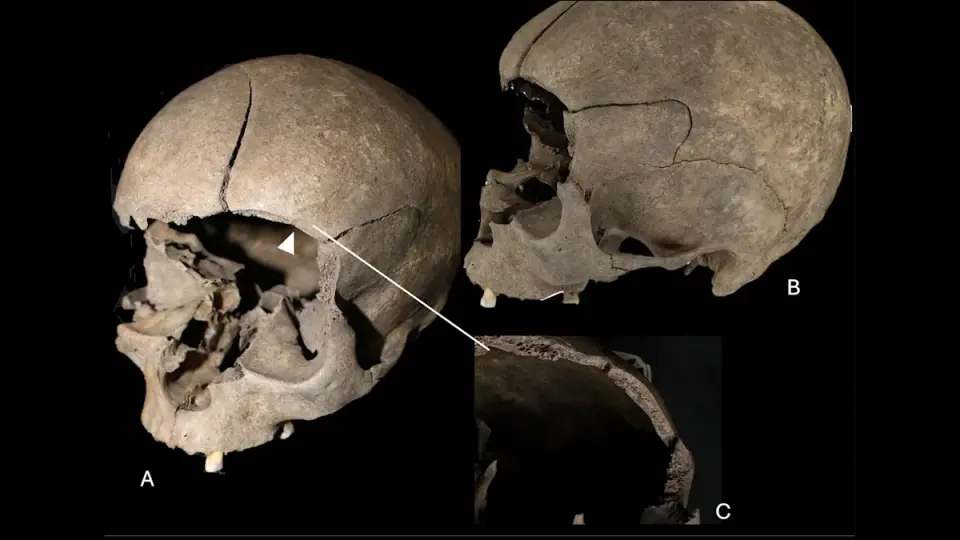
Archaeologists have discovered a child's skull built into the floor of a 2,500-year-old house in Scandinavia. The finding, reported by Yahoo News, suggests the remains were intentionally incorporated into the structure's foundation, offering new insights into ancient burial practices or ritualistic behaviors in the region.
Key points
- A child's skull was found embedded within the floor of a 2,500-year-old house in Scandinavia.
- The discovery was made by archaeologists and reported by Yahoo News.
- The placement of the skull suggests it was part of the construction process rather than a post-burial intrusion.
- The find provides evidence of specific cultural or ritualistic practices in ancient Scandinavian societies.
- No secondary sources or conflicting perspectives are available for this story.
Background
This discovery adds to the broader understanding of ancient Scandinavian burial and construction practices. While previous archive articles focused on modern child safety and legal cases, this archaeological find highlights how ancient societies integrated human remains into their architectural designs, possibly for protective or ritualistic purposes. The 2,500-year-old timeframe places this in the Iron Age, a period known for complex social structures and varied funerary customs in Scandinavia.
Why it matters
The discovery of a child's skull in a house floor challenges conventional assumptions about ancient burial sites and offers a tangible link to the daily lives and beliefs of Iron Age Scandinavians. It may reveal how communities dealt with death, memory, and protection within their domestic spaces, potentially reshaping historical narratives about the region's cultural practices.
What to watch
Further analysis of the skull and surrounding artifacts will likely be conducted to determine the age, cause of death, and any ritualistic context of the burial. Researchers may also examine the house's construction to understand how the skull was integrated into the floor, potentially uncovering more about the household's social status or religious beliefs.
Want the full story? Read the original reporting
Read on Yahoo