
Alligator Gar Population Recovers After Decades of Persecution
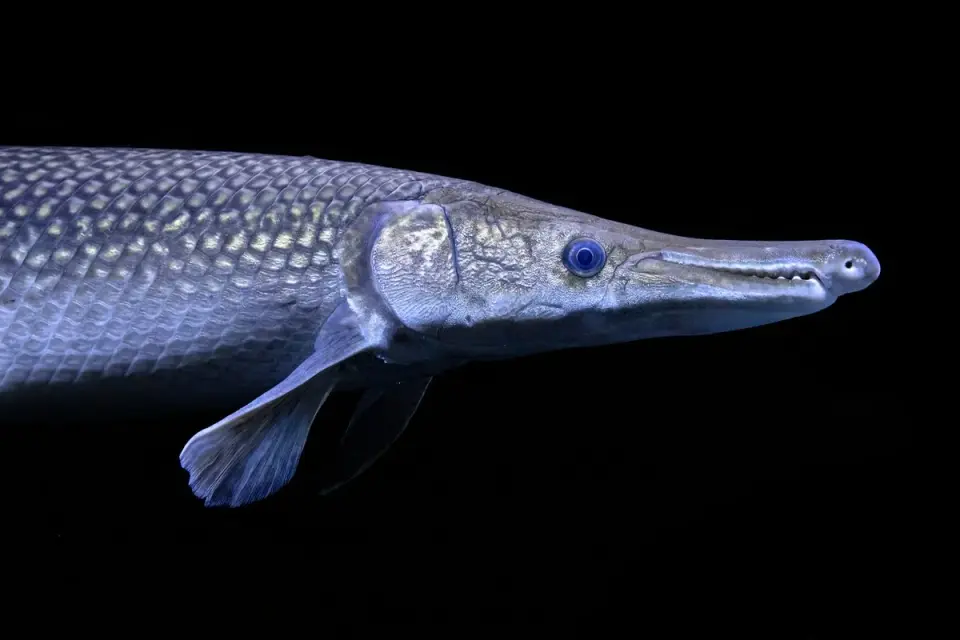
The alligator gar, a prehistoric freshwater fish, has recovered from near-extinction in parts of its range after a shift in conservation attitudes in the 1980s. Once heavily persecuted as a 'trash fish,' the species is now protected and valued for its ecological role, with large specimens reaching 3 meters in length.
Key points
- The alligator gar is the largest of seven known gar species, featuring a torpedo-shaped body and needle-like teeth adapted for ambush predation.
- The fish possesses a bite force of 9,452N and can swallow prey whole, including fish, waterfowl, turtles, and small mammals.
- Historically regarded as a 'trash fish' and heavily persecuted, the alligator gar disappeared from much of its natural range until the 1980s.
- A shift in attitude in the 1980s led to greater protections and educational outreach, recognizing the fish's value in freshwater ecology.
- The species is now a popular sporting fish, with specimens approaching 3 meters long and weighing over 130kg having been caught.
Background
The alligator gar is a member of the Ginglymodi clade, which first appeared over 240 million years ago. For nearly half a century, alligator gars were considered a 'nuisance species' detrimental to sport fisheries and were targeted for elimination by state and federal authorities. The 1980s brought a better understanding of ecological balance, leading to protections under the Lacey Act and monitoring programs. The largest officially recorded alligator gar was caught in 2011 in Mississippi, measuring 2.572 meters and weighing 148 kg.
Why it matters
The recovery of the alligator highlights the importance of shifting conservation attitudes and recognizing the ecological value of species previously deemed undesirable. It demonstrates how protection and educational outreach can lead to the recovery of a prehistoric species that plays a significant role in freshwater ecosystems.
What to watch
The alligator gar is currently classified as 'Least Concern' by the IUCN, though populations have been extirpated from much of their historic range. Continued monitoring and protection efforts are likely to maintain the species' status as a popular sporting fish and a key component of freshwater ecology.
Want the full story? Read the original reporting
Read on BBC Wildlife Magazine