
Venom Mechanics and Pain Rankings: A Scientific Look at the World's Most Agonizing Stings
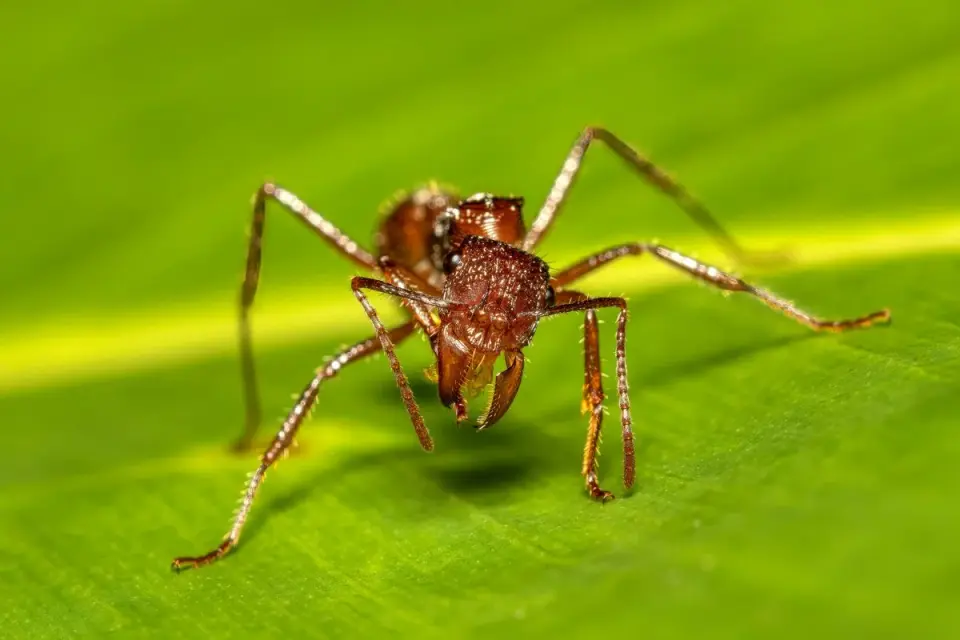
Discover Wildlife’s Richard Jones details the biological mechanics of stings and ranks the ten most painful encounters with stinging creatures. The article explains that stings involve hollow tubes delivering venom cocktails containing enzymes, histamines, and neurotransmitters. While a single wasp sting injects only 15 micrograms of toxin, the pain is intense. The bullet ant from South American rainforests is cited as the most painful, causing agony for up to 24 hours. Other notable entries include the tarantula hawk wasp, honeybees, and social wasps. The piece also notes that while fatalities are rare, anaphylactic shock remains a critical risk for susceptible individuals.
Key points
- Stings are active injections using hollow tubes to deliver venom deep into flesh, unlike passive jabs.
- Venom typically contains polypeptide enzymes to destroy cells, histamines to increase blood flow, and neurotransmitters to stimulate nerves.
- The bullet ant, native to Central and South America, delivers the most painful sting, described as lasting over 24 hours.
- Tarantula hawk wasps, up to 5 cm long, have stings up to 7 mm long and are among the most painful insect stings.
- Honeybees have barbed stingers that remain in the skin after the bee dies, releasing alarm pheromones that recruit more attackers.
- Social wasps, including hornets, use stings for prey and defense, with nests containing up to 10,000 workers in summer.
Background
This briefing follows earlier coverage of animal-related incidents, such as the fatal alligator attack in Florida in July 2026, which highlighted the dangers of wildlife encounters. The current article shifts focus to the physiological and chemical aspects of stings, providing a scientific framework for understanding pain and venom toxicity in various species.
Why it matters
Understanding the mechanics of stings and the relative pain levels of different species helps in recognizing risks and responding appropriately to encounters. While most stings are manageable, the potential for severe allergic reactions and the cumulative effects of multiple stings underscore the importance of caution and medical awareness.
What to watch
No immediate follow-up developments are indicated in the source. Continued research into venom composition and pain perception may provide further insights into treatment and prevention strategies for sting-related injuries.
Want the full story? Read the original reporting
Read on BBC Wildlife Magazine