
Researchers use GPS data and virtual simulations to map grizzly bear movement in fragmented wilderness
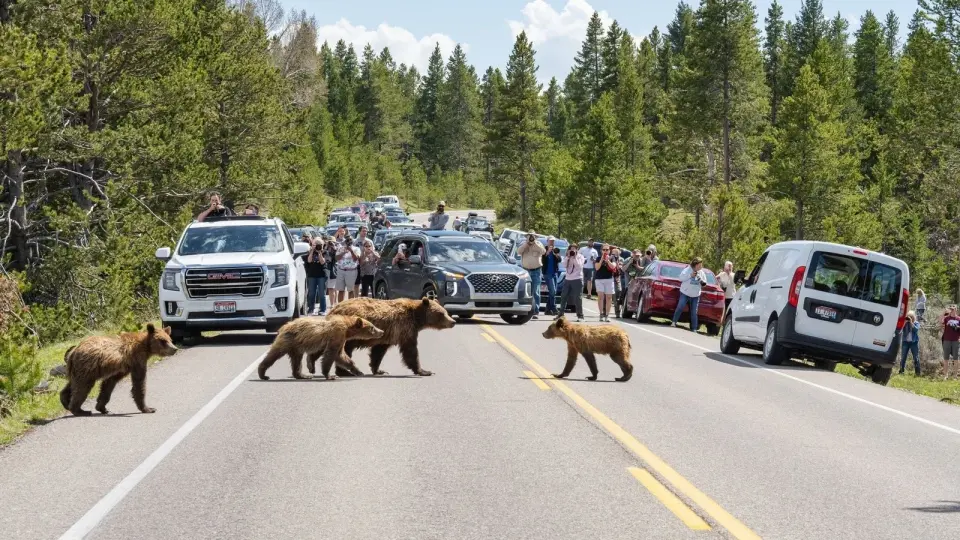
Scientists in the U.S. and Canada are using high-resolution GPS tracking and virtual simulations to understand how grizzly bears navigate fragmented landscapes. Research reveals that while bears possess strong food memories, they struggle with highway barriers, leading to fatal collisions. Conservation efforts focus on creating connected corridors and managing human recreation to reduce conflict in the Yellowstone-to-Yukon region.
Key points
- A 360-pound male grizzly named Lingenpolter attempted to cross Interstate 90 in western Montana 46 times over 53 days before succeeding, highlighting the barrier effect of highways on wildlife movement.
- Researchers like Andrew Derocher found that about two-thirds of grizzlies have excellent memory for food locations and seasons, but lack specific rewards for safe road crossings, making them vulnerable to traffic.
- Sarah Sells developed a virtual 'Sims for Bears' model using GPS data from 65 bears to predict movement corridors in areas with limited tracking data, such as the Bitterroot ecosystem in Idaho and Montana.
- Human activity accounts for 77% to 90% of grizzly deaths in west-central North America from 1989 to 2015, driven by hunting, road collisions, and managed kills in urban areas.
- Conservationists are purchasing land and building fencing to funnel bears into overpasses, as bears cannot reliably remember safe crossing points without physical barriers guiding them.
Background
Recent incidents, such as the suspected grizzly attack on a mother and daughter in Bella Coola, British Columbia, in November 2026, underscore the ongoing tension between human expansion and bear habitats. These events follow a similar attack on schoolchildren in the same region in November 2025, highlighting the urgent need for the connectivity strategies described in this report to prevent further conflicts.
Why it matters
Understanding bear behavior is critical for designing effective conservation strategies that protect both wildlife and human safety. As human development fragments natural habitats, creating connected corridors and managing recreation areas can prevent population isolation and reduce fatal encounters, ensuring the long-term survival of grizzly bears in the Rocky Mountains.
What to watch
Researchers will continue to use virtual models to predict bear movements in untracked areas and advocate for land management policies that prioritize connectivity. Conservation groups aim to expand fencing and overpass construction to guide bears safely across highways, while public education efforts will focus on reducing attractants like unsecured garbage and fruit trees.
Want the full story? Read the original reporting
Read on Live Science