
NASA Debunks Viral 'Project Anchor' Gravity Blackout Rumor Ahead of August Eclipse
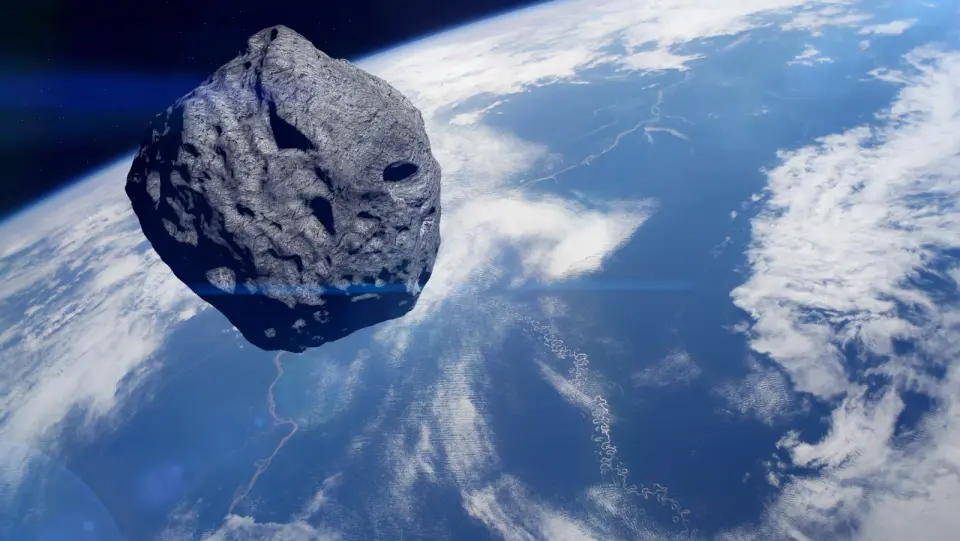
A viral conspiracy theory claiming Earth will lose gravity for seven seconds on August 12, 2026, has been debunked by NASA and fact-checkers. The rumor, known as 'Project Anchor,' falsely links a total solar eclipse to a gravitational anomaly, but experts confirm that gravity is determined by mass and cannot be switched off by celestial events.
Key points
- The 'Project Anchor' rumor claims Earth will experience a seven-second gravity loss at 14:33 UTC on August 12, 2026.
- NASA confirms that Earth's gravity is determined by its mass and will not disappear due to a solar eclipse or other celestial events.
- Fact-checkers found no evidence of a leaked NASA document or a program called 'Project Anchor,' tracing the claim to a fabricated Instagram post from late 2025.
- The rumor gained traction because August 12, 2026, coincides with a total solar eclipse, a planetary alignment, and the peak of the Perseid meteor shower.
- Google searches for terms like 'gravity blackout' and 'Project Anchor' surged as the date approached, despite repeated scientific debunking.
Background
This story follows earlier coverage of the same viral claim, which had already been debunked in early August 2026. The rumor gained momentum on social media platforms like TikTok, Facebook, and Reddit, often referencing a supposed leaked NASA document. While the claim is false, the date of August 12, 2026, is significant for astronomical reasons, including a total solar eclipse visible in parts of Greenland, Iceland, Northern Russia, Spain, and Portugal.
How outlets are covering it
All sources agree that the 'Project Anchor' theory is false. North Jersey Media Group and Modern.az emphasize the lack of scientific basis and the absence of any credible evidence for the claimed document. The New York Post highlights the specific details of the rumor, such as the alleged $89 billion budget and the claim that objects would float up to 65 feet in the air, while noting that the theory traces back to a single AI-written Instagram post. Yahoo News focuses on the fact-checking process and the role of the solar eclipse in fueling the conspiracy. There is no disagreement among the outlets regarding the scientific reality, but they differ in the level of detail provided about the rumor's origins and the specific claims made by social media users.
Why it matters
The spread of this conspiracy theory highlights the power of social media to amplify misinformation, especially when it coincides with real astronomical events. It also underscores the importance of fact-checking and scientific literacy in combating viral rumors that can cause unnecessary panic or confusion among the public.
What to watch
The total solar eclipse will occur on August 12, 2026, as predicted by astronomical models. There will be no gravity loss or other unusual gravitational effects. The rumor is expected to fade as the date passes without any incident, though it may resurface in future cycles of misinformation.
- What time would Earth lose gravity on Aug. 12? NASA debunks viral claim Bergen Record
- Solar eclipse to 'kill 40 million in seven second doomsday horror', wild theory claims Daily Star
- NASA assures humanity Earth’s gravity will not disappear this week after insane conspiracy theories ran rampant New York Post
- What will happen on August 12? Modern.az
- Fact Check: Posts claim Earth will 'lose gravity' for 7 seconds on Aug. 12, 2026. NASA pulls us back to reality Yahoo
Want the full story? Read the original reporting
Read on Bergen Record