
Coffee Waste Turns Into Stronger Concrete in Australian Pilot
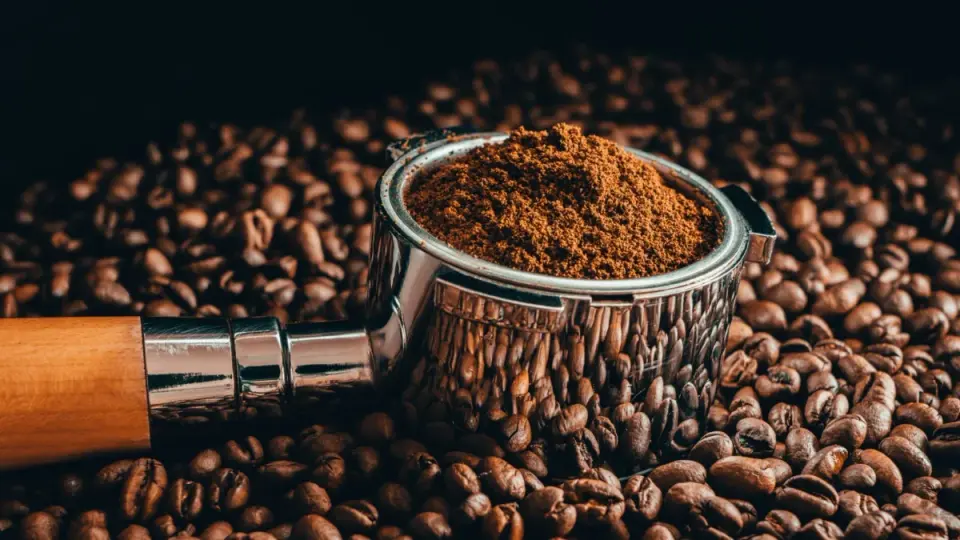
Australian researchers have developed a method to convert coffee grounds into biochar, which can strengthen concrete by up to 30 percent while reducing landfill waste and sand mining. The technology has moved from lab tests to real-world infrastructure projects in Victoria, Australia.
Key points
- RMIT University engineers found that pyrolyzing coffee grounds at 350 degrees Celsius creates a porous biochar that bonds with cement, increasing strength by up to 30 percent.
- The process addresses two environmental issues: it diverts 10 billion kilograms of annual global coffee waste from landfills and reduces the demand for natural sand, which is increasingly scarce due to mining impacts.
- Real-world trials began in 2024, including a footpath in Gisborne, Victoria, and a major infrastructure project in Pakenham that diverted roughly 140,000 coffees' worth of grounds from landfill.
- The team is currently testing the long-term durability of the material under stressors like freeze-thaw cycles and abrasion, while also exploring biochar from other organic wastes like wood and food.
- The research team won the People's Choice Problem Solver Award in early 2025 and is working with commercial partners to bring the material to market.
Background
This development follows earlier discussions on sustainable construction materials and waste reduction. While previous archive entries focused on unrelated topics like AI in microscopy, nutrition, and infrastructure outages, the current story highlights a growing trend in using circular economy approaches to address environmental challenges in the construction industry.
Why it matters
This innovation offers a practical solution to two major environmental problems: the disposal of organic waste, which emits greenhouse gases, and the unsustainable extraction of natural sand for concrete. By repurposing coffee waste into a construction material, the technology could significantly reduce landfill use and preserve natural resources, aligning with global sustainability goals.
What to watch
The RMIT team is conducting further tests on the long-term durability of coffee-biochar concrete, including exposure to freeze-thaw cycles, water absorption, and abrasion. They are also exploring the use of other organic waste sources, such as wood and food, to create similar biochar materials. Additionally, the team is working with commercial partners to develop a business case for bringing the material to market.
Want the full story? Read the original reporting
Read on ScienceAlert