
Scottish Whisky Waste Powers a Century-Old Bacterial Fuel Revival
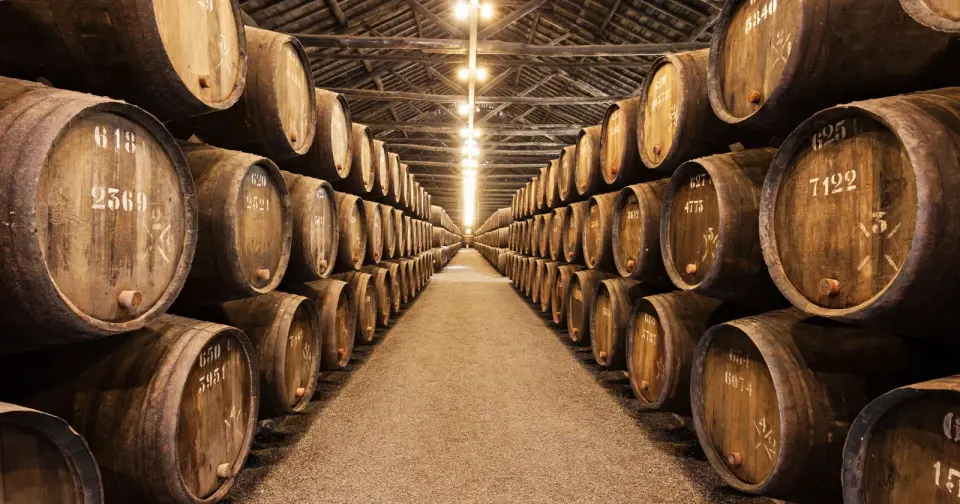
Celtic Renewables has revived a century-old bacterial fermentation process to convert Scotland’s massive whisky industry waste into biobutanol, a fuel that can run in unmodified engines without the drawbacks of ethanol.
Key points
- Scotland’s whisky industry generates approximately 750,000 tonnes of spent barley (draff) and two billion liters of pot ale annually, creating a significant waste management challenge for distillers.
- Celtic Renewables, spun out of Edinburgh Napier University, utilizes Clostridium acetobutylicum bacteria to convert this waste into acetone, ethanol, and butanol via Acetone-Butanol-Ethanol (ABE) fermentation.
- Biobutanol is highlighted as a superior fuel because its chemical properties and energy content are close enough to gasoline to be used in existing engines without modification, unlike ethanol which requires blending limits.
- The company successfully demonstrated the viability of this fuel in 2017 by running an unmodified Ford on Scottish roads using biobutanol derived from whisky residue.
- While the current Grangemouth facility operates at a demonstrator scale, the company is expanding to process other food industry wastes and is pivoting toward higher-value sustainable chemicals for paints and pharmaceuticals due to better economics than fuel sales.
Background
This development follows a broader trend in utilizing industrial waste for ecological or economic benefit, such as the 1997 Costa Rican project where 12,000 tons of orange peel were used to restore a deforested park. Additionally, recent research on gut microbes highlights how bacterial metabolism can be steered toward beneficial outputs through specific inputs, a principle similar to how Celtic Renewables directs bacterial activity toward fuel production. The current story focuses on the specific application of ABE fermentation, a technology that was once vital for World War I munitions but declined with the rise of petrochemicals, now being repurposed for circular economy goals in the Scottish whisky sector.
Why it matters
This initiative offers a practical solution to the food-versus-fuel dilemma by utilizing waste that already exists, avoiding the need for dedicated fuel crops that compete with food production. It demonstrates how legacy industrial processes can be adapted to modern sustainability challenges, potentially reducing environmental impact and creating new revenue streams for the whisky industry while addressing the disposal costs of distillery waste.
What to watch
Celtic Renewables is planning a new facility at Grangemouth, backed by fresh investment, designed to process significantly more waste including potatoes and dairy residue. The company is also expanding its focus beyond fuel to produce bio-acetone and bio-butanol for use in paints, pharmaceuticals, and eventually aviation fuel, aiming to improve economic viability through higher-value chemical markets.
Want the full story? Read the original reporting
Read on Space Daily