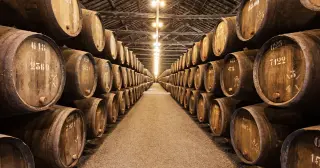
Celtic Renewables has revived a century-old bacterial fermentation process to convert Scotland’s massive whisky industry waste into biobutanol, a fuel that can run in unmodified engines without the drawbacks of ethanol.
Sargassum seaweed blooms in the Atlantic have become a chronic, self-sustaining disaster. Research from Georgia Tech indicates that the ecosystem surrounding the mats recycles nutrients, fueling future growth. This cycle, which began in 2011, now affects millions of tons of seaweed annually, impacting tourism, fishing, and public health in the Caribbean and Gulf of Mexico.
India's push to blend 20% ethanol with petrol (E20) has significantly reduced carbon emissions and saved foreign exchange, but raises concerns about vehicle compatibility, fuel efficiency, and the impact on food security due to crop diversion for ethanol production. The government aims to further increase ethanol blending, which could exacerbate agricultural and food supply challenges.
Scientists at CNPEM in Brazil have discovered a natural enzyme called CelOCE that efficiently breaks down cellulose, a major plant biomass component, by a novel mechanism, potentially revolutionizing biofuel production from agricultural waste and advancing sustainable energy solutions.
Union Minister Nitin Gadkari announced efforts to use municipal garbage for road construction to address Delhi's waste problem, citing successful projects like the Mumbai-Delhi Expressway. Additionally, initiatives to convert agricultural stubble into biofuel are underway, aiming to reduce pollution and promote self-reliance. Gadkari highlighted the reduction in stubble burning and the economic benefits of transforming waste into wealth through innovation and technology.
Caribbean scientists have developed a method to convert invasive sargassum seaweed into biofuel, potentially transforming a regional environmental crisis into an economic opportunity. The project, led by Dr. Legena Henry at the University of the West Indies, uses sargassum, wastewater from rum distilleries, and sheep dung to produce bio-compressed natural gas. This innovation could help reduce reliance on fossil fuels and mitigate the negative impacts of sargassum on tourism and health. The team is seeking funding to scale up the project, which could benefit other regions affected by sargassum.
Toyota announced plans to develop compact engines running on green fuels like hydrogen and bioethanol, alongside electric motors in hybrids, as part of its strategy to achieve carbon neutrality. Despite the global push for fully electric vehicles, Toyota emphasizes a multi-pathway approach, collaborating with Subaru and Mazda to meet diverse energy needs and maintain economic stability. The company highlighted the challenges and uncertainties in the transition to electric vehicles, including the environmental impact of battery production and the need for gradual change.
Toyota showcased new compact engines that can run on various fuels, including biofuel, aiming to meet tougher emissions standards. These engines, developed with Subaru and Mazda, are designed to integrate with electric drive units and optimize vehicle design. Toyota's strategy includes a mix of hybrids and other powertrains, reflecting a multi-pathway approach to carbon neutrality.
Azolla, a fast-growing aquatic fern, has the potential to become a widely cultivated crop for human and livestock consumption, fertilizer, and biofuel production. Research has identified a species, Carolina azolla, with lower levels of polyphenols, making it more suitable for consumption. With further study and potential breeding, azolla could offer high levels of nutrients such as protein, zinc, manganese, iron, calcium, and potassium. However, extensive research is needed to ensure its safety and potential as a food source.