
Physics experts say tapping soda cans likely fails to prevent fizzing
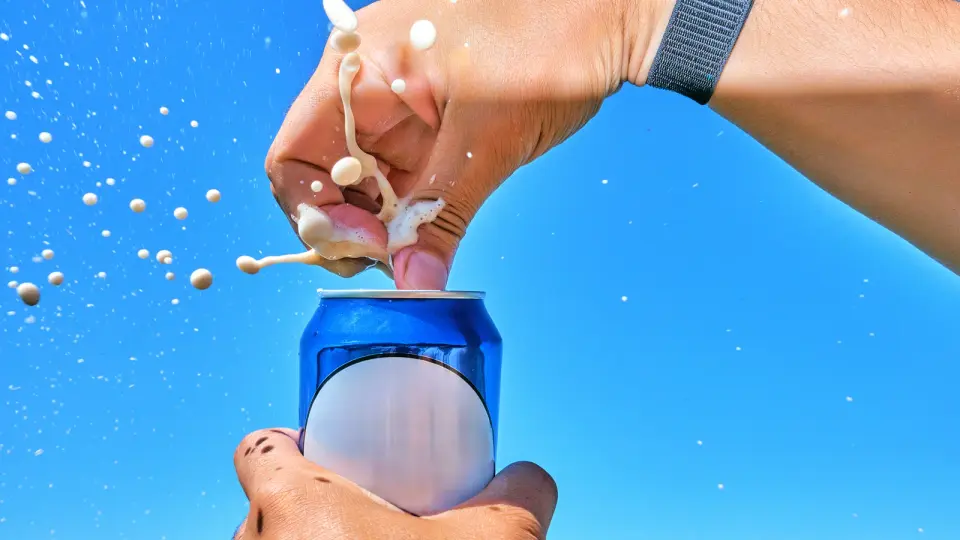
A new analysis suggests that tapping a soda can to prevent it from exploding is largely ineffective. While the technique aims to dislodge bubbles from nucleation sites, experts note that vigorous tapping can actually create more bubbles. A 2019 study found no significant difference in spillage between tapped and untapped cans. The most reliable method to prevent fizzing is to let the can sit upright for several minutes or open it slowly to allow gas to escape gradually.
Key points
- Carbonated drinks rely on supersaturation, where carbon dioxide is dissolved under high pressure and cold temperatures.
- Shaking or dropping a can creates pressure waves that form tiny bubbles, known as nucleation sites, on the container walls.
- Tapping the can is intended to knock these bubbles loose so they rise to the air pocket before opening, reducing spillage.
- However, tapping too hard or repeatedly can generate new bubbles, potentially worsening the problem.
- A 2019 preprint study testing 1,031 cans of beer found no statistically significant difference in liquid loss between tapped and untapped groups.
- Experts recommend letting a shaken can sit upright for several minutes to allow bubbles to dissolve or rise naturally.
Background
This topic relates to broader consumer science inquiries about beverage behavior, such as previous discussions on whether adding chia seeds to soda impacts health or how carbonation levels affect taste. While those topics focused on nutritional or sensory aspects, this briefing addresses the physical mechanics of carbonated drinks. The advice to let cans sit or open them slowly aligns with general fluid dynamics principles often discussed in household science contexts.
Why it matters
Understanding the physics behind carbonation helps consumers avoid messy spills and wasted beverages. While common folk remedies like tapping cans may seem logical, scientific evidence suggests they are ineffective or counterproductive. Knowing that time and temperature are the key factors allows for more practical and reliable solutions when handling carbonated drinks, saving money and reducing frustration.
What to watch
No further developments are expected, as this is a settled scientific question. Consumers can continue to apply the recommended methods of waiting, chilling, or slow opening to manage carbonated drinks. Future research may explore other techniques, but the current consensus is clear that tapping is not a reliable solution.
Want the full story? Read the original reporting
Read on Live Science