
The Ethics of DNA Traces in the Environment
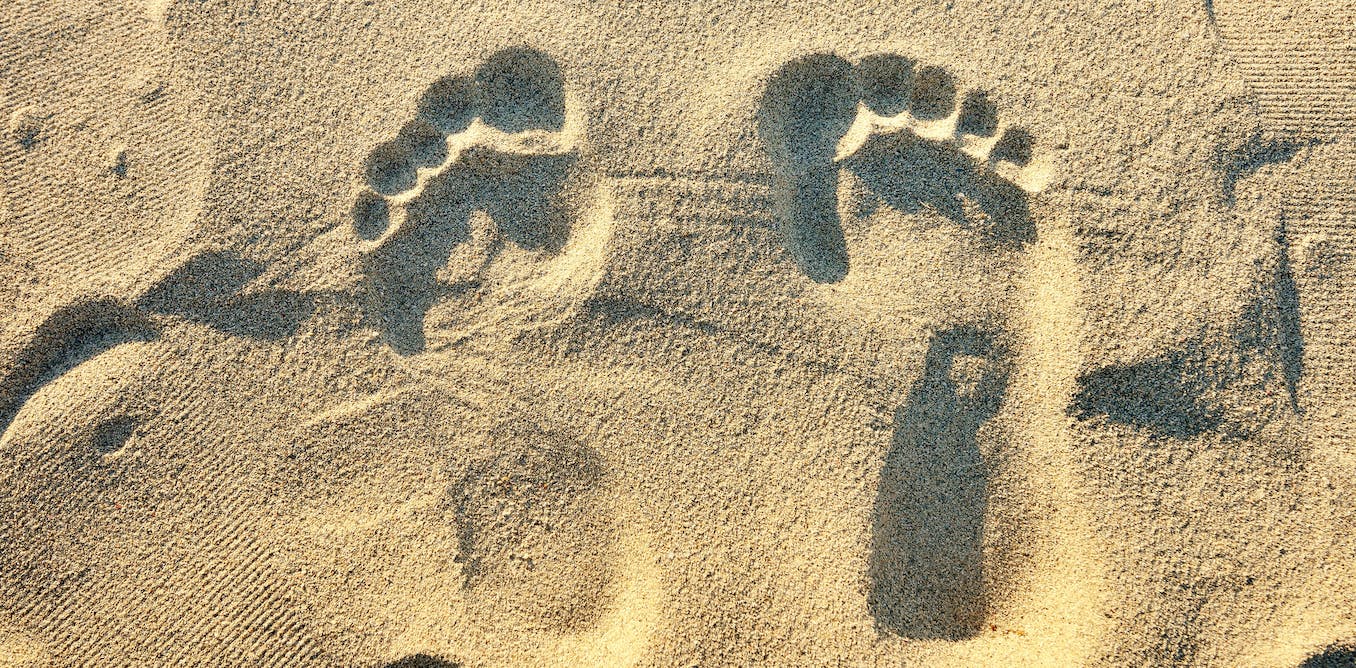
Human DNA can be extracted from small amounts of water, sand, and air in the environment, raising ethical questions about privacy. Environmental DNA (eDNA) is typically used to monitor biodiversity, wildlife populations, and disease-causing pathogens. However, researchers have found that human DNA can be found everywhere, including isolated locations. The human eDNA found in the local environment was intact enough to identify mutations associated with disease and determine the genetic ancestry of people who live in the area. The inadvertent retrieval of human DNA from environmental samples is called "human genetic bycatch," and there are ethical implications relating to the collection and analysis of this information. Regulations are needed to ensure the ethical handling of human genetic bycatch.
Reading Insights
0
10
4 min
vs 6 min read
88%
1,015 → 118 words
Want the full story? Read the original article
Read on The Conversation