
Teenager’s $1,500 3D-Printed Cube Survives NASA Suborbital Test
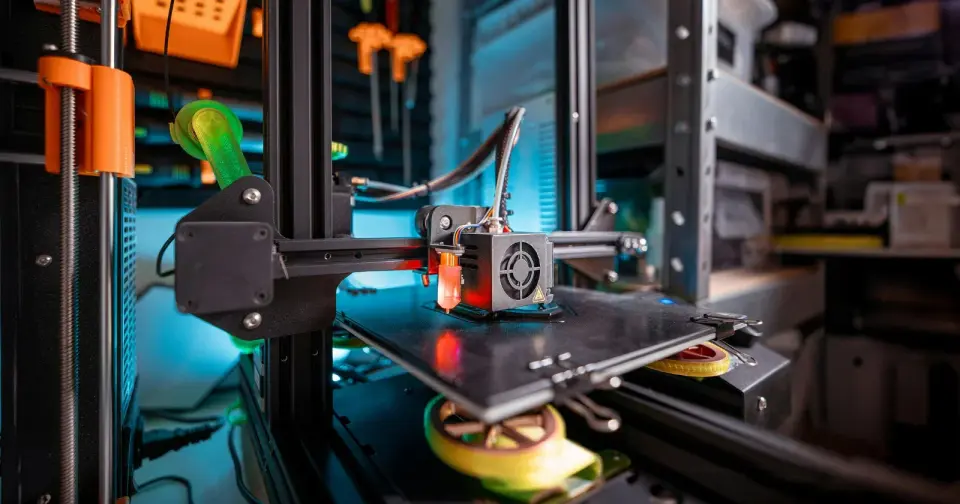
An 18-year-old from rural India designed a 64-gram, 3D-printed experiment for under $1,500 that successfully survived a 2017 NASA suborbital launch. The device, named KalamSat, was part of a broader student competition and later evolved into an orbital satellite launched by ISRO in 2019, demonstrating that low-cost, additive manufacturing can withstand spaceflight conditions.
Key points
- Rifath Sharook, an 18-year-old from Pallapatti, Tamil Nadu, designed a 64-gram femto-satellite named KalamSat for the NASA-supported 'Cubes in Space' competition.
- The experiment cost approximately $1,500 (one lakh rupees) and featured a 3D-printed reinforced carbon fibre polymer structure with eight built-in sensors.
- Launched on June 22, 2017, from NASA’s Wallops Island facility, the payload flew on a Terrier-Orion sounding rocket alongside over 80 other student experiments.
- The 2017 mission was suborbital, lasting about 12 minutes in flight, and confirmed that the 3D-printed structure could survive launch vibrations and microgravity.
- In January 2019, a heavier 1.26-kilogram successor, KalamSat-V2, was launched into orbit by ISRO on a PSLV rocket, operating as a ham-radio communications satellite.
Background
This story highlights the trajectory of low-cost space access, moving from suborbital student experiments to orbital missions. While our archive notes recent suborbital tests by SpaceX and contracts for suborbital vehicles by Rocket Lab, those involve commercial or military payloads. KalamSat represents a distinct path: educational and scientific validation of additive manufacturing for spaceflight, bridging the gap between student competitions and national space agency programs like ISRO.
Why it matters
The success of KalamSat challenges the assumption that spaceflight requires exorbitant budgets and exotic manufacturing. By proving that a 3D-printed structure can survive launch loads, the project lowers the barrier to entry for small nations and educational institutions. It demonstrates that innovation in space technology can originate from rural areas with minimal funding, potentially accelerating the adoption of additive manufacturing in satellite design and reducing the cost of access to space for non-traditional actors.
What to watch
The immediate next step was the 2019 orbital launch of KalamSat-V2 by ISRO. Future developments may involve further integration of 3D-printed components into standard satellite structures, potentially driven by the cost-efficiency demonstrated by these student-led projects. The success of the 2017 suborbital test paved the way for the 2019 orbital mission, suggesting a continued trend of student innovations transitioning into national space programs.
Want the full story? Read the original reporting
Read on Space Daily