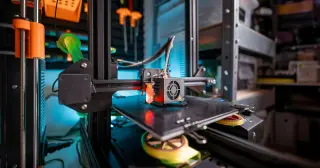
An 18-year-old from rural India designed a 64-gram, 3D-printed experiment for under $1,500 that successfully survived a 2017 NASA suborbital launch. The device, named KalamSat, was part of a broader student competition and later evolved into an orbital satellite launched by ISRO in 2019, demonstrating that low-cost, additive manufacturing can withstand spaceflight conditions.
A joint US-Indian satellite has captured a striking radar image of Antarctic ice that resembles a magenta-green hummingbird. The visual is not a biological entity but a representation of geological stress and ice flow patterns around a mountain peak, revealing details hidden beneath the snow surface.
Indian entrepreneur Sree Supranayi leads AnduraX, a startup aiming to make space the next manufacturing hub by building autonomous reusable spaceplanes that can deliver modules to and retrieve products from ISRO’s planned Bharatiya Antariksh Station by 2030. After early funding hurdles, the team secured family support and government grants, and completed a successful high-altitude ADM-01 balloon drop in May 2026 to validate guidance, navigation, and control for a return-capable spaceplane. Demonstration missions are targeted for 2028, with cargo operations by 2030 and a larger 5.5-tonne variant later. AnduraX argues microgravity enables bigger, purer protein crystals and faster drug research, with potential applications in pharma, semiconductors, and fiber optics, positioning India’s first private company to field a spaceplane and a space-delivery system for future space manufacturing.
Smithsonian’s National Air and Space Museum now displays the red-and-blue sari worn by ISRO’s Nandini Harinath on the day Mangalyaan left Earth’s orbit, using it to highlight the role of women in India's Mars mission and celebrate national pride and inspiration in science; the sari is part of the Futures in Space gallery alongside other iconic space artifacts.
AST SpaceMobile launched its next-generation BlueBird 6 satellite into low Earth orbit using India's largest rocket, ISRO's LVM3, marking a significant step in deploying a large constellation of high-capacity, direct-to-device communication satellites aimed at expanding 5G coverage globally. The company plans to launch up to 60 satellites by 2026, utilizing multiple launch providers including SpaceX and Blue Origin.
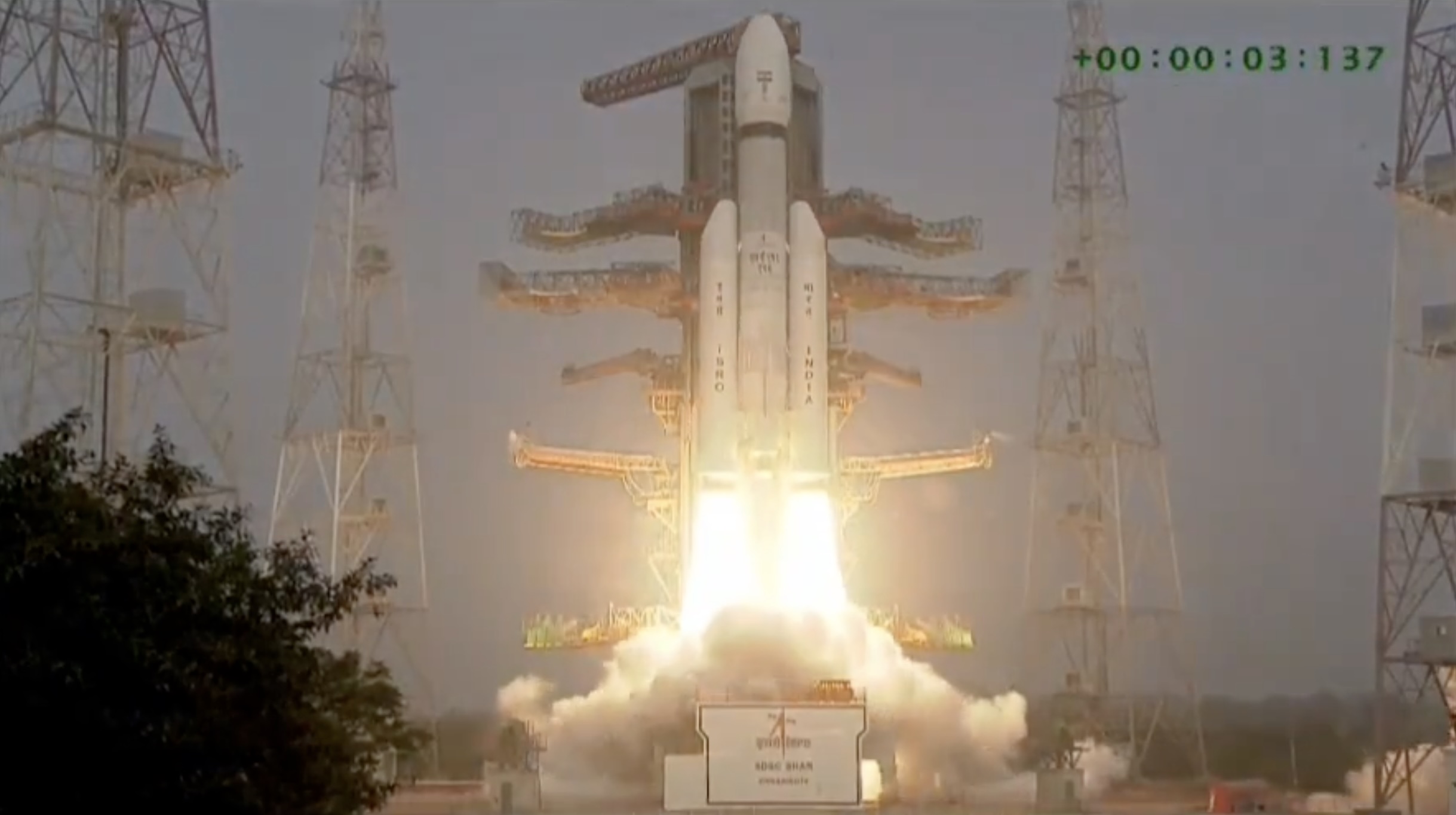
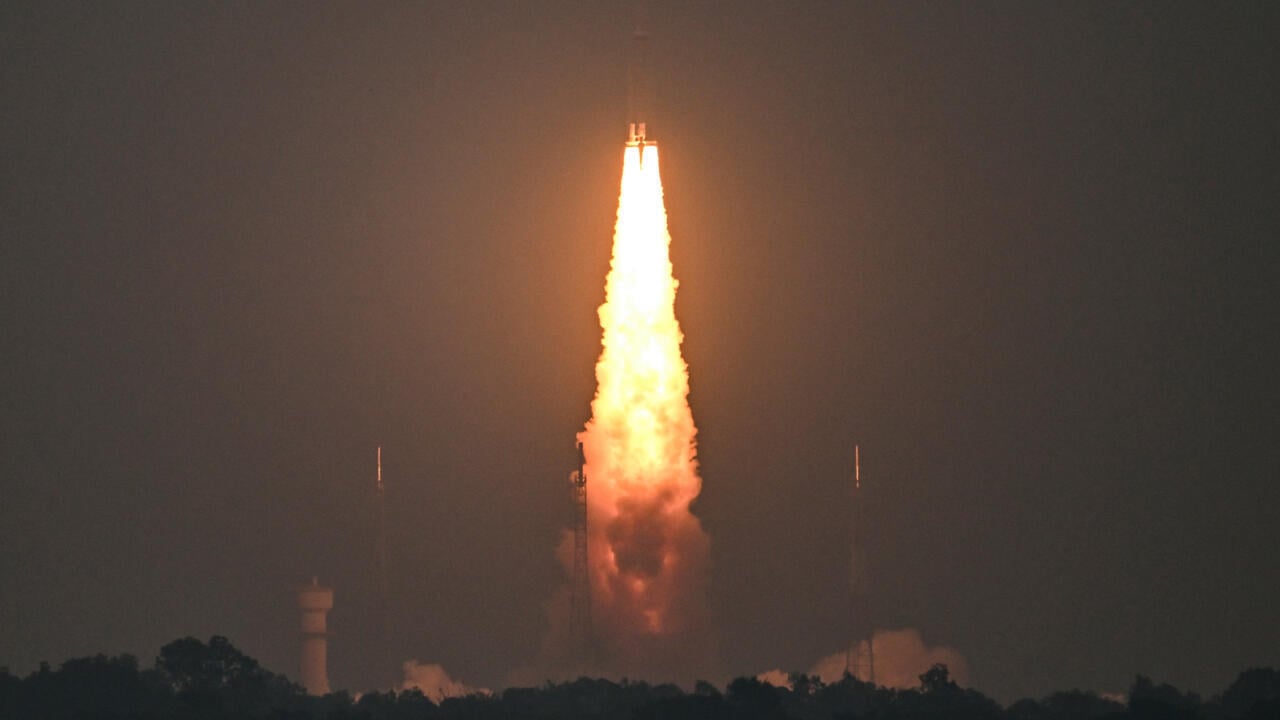
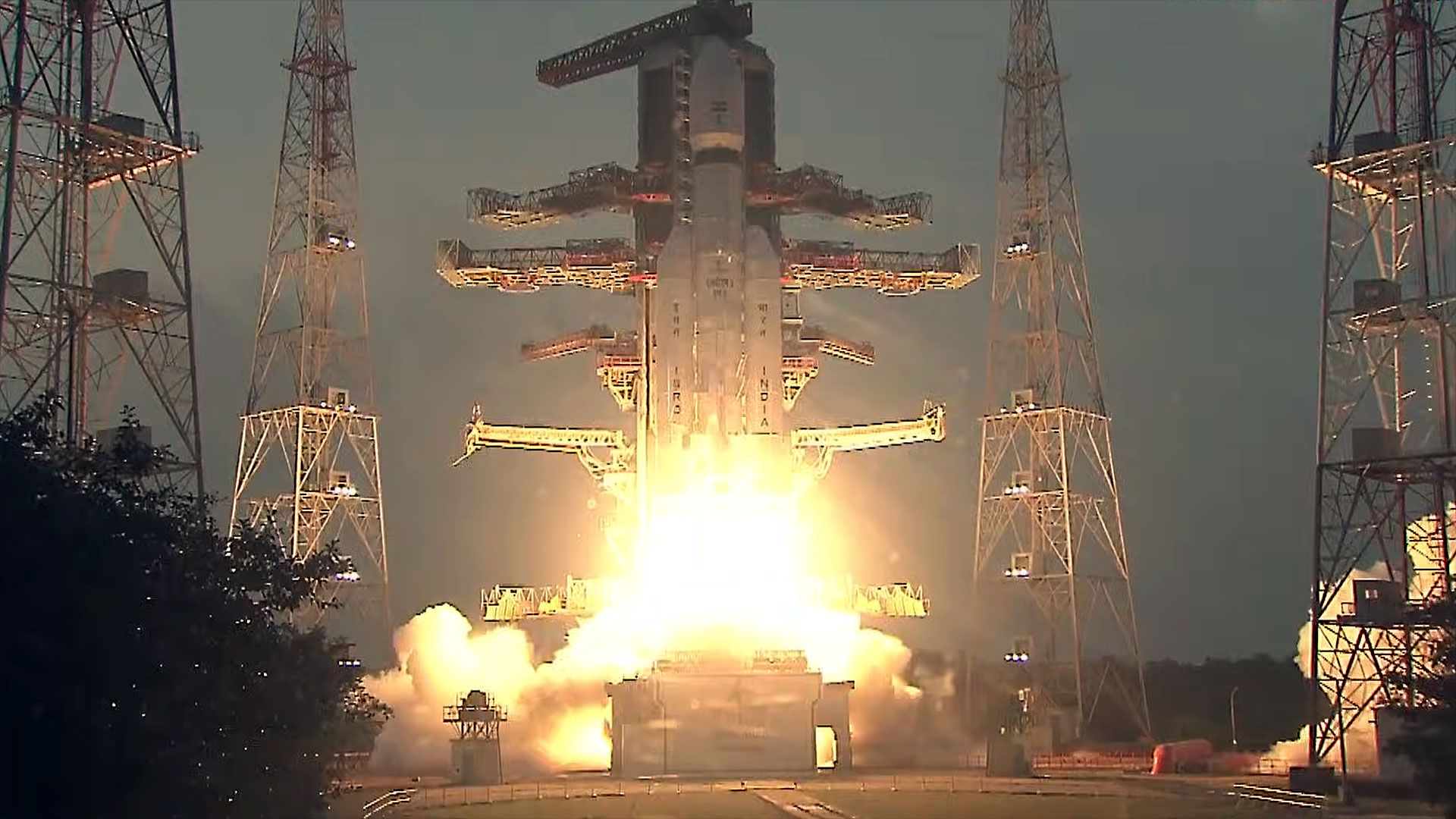
India's space agency ISRO launched its heaviest satellite, CMS-03, weighing about 4,410 kg, from Sriharikota to enhance secure communication for the navy, marking a significant milestone in India's expanding space program and ambitions for future crewed missions.
India successfully launched the CMS-03 military communications satellite into geostationary transfer orbit using its most powerful rocket, LVM3, enhancing secure communication capabilities for the Indian Navy.
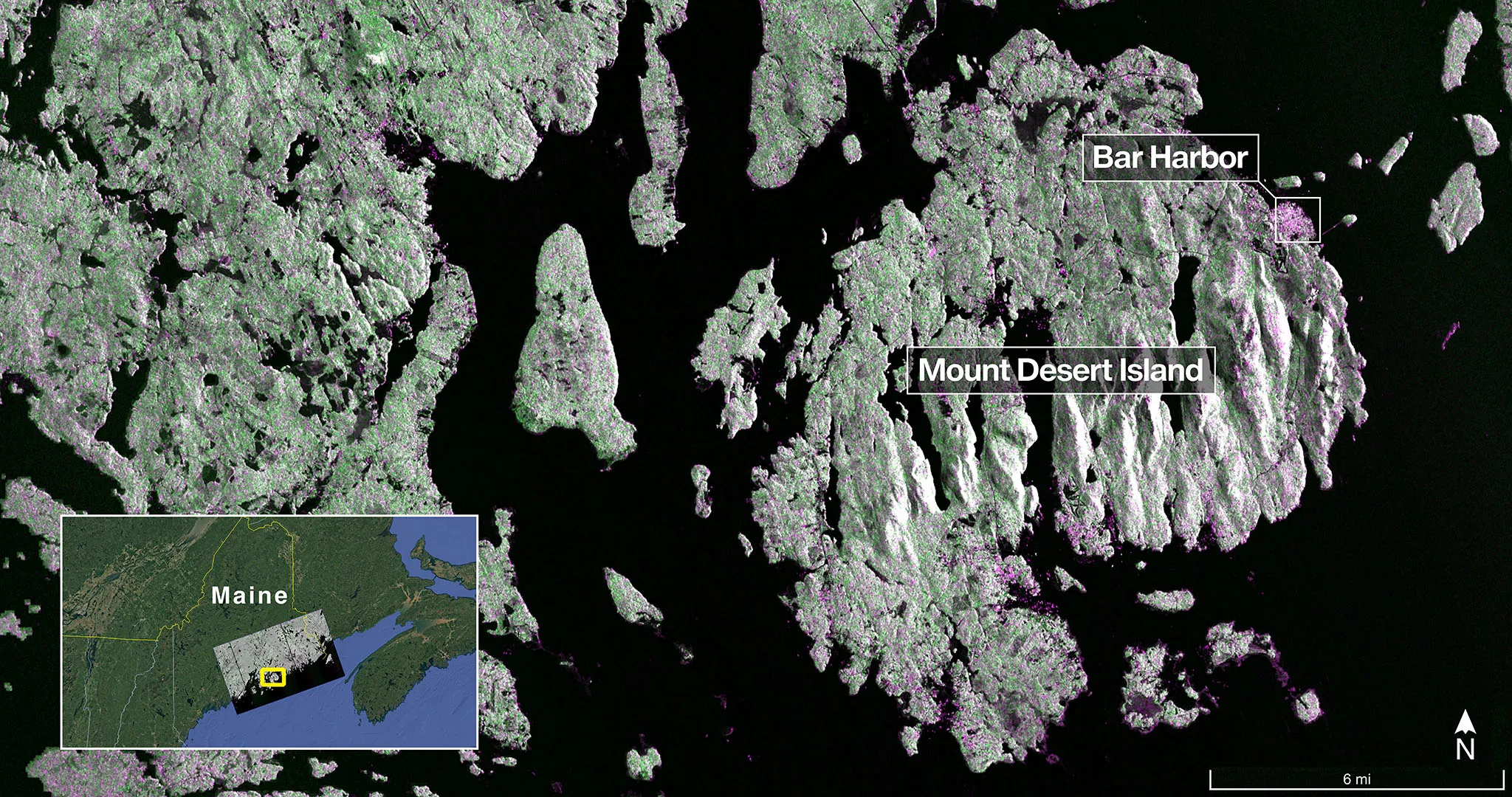
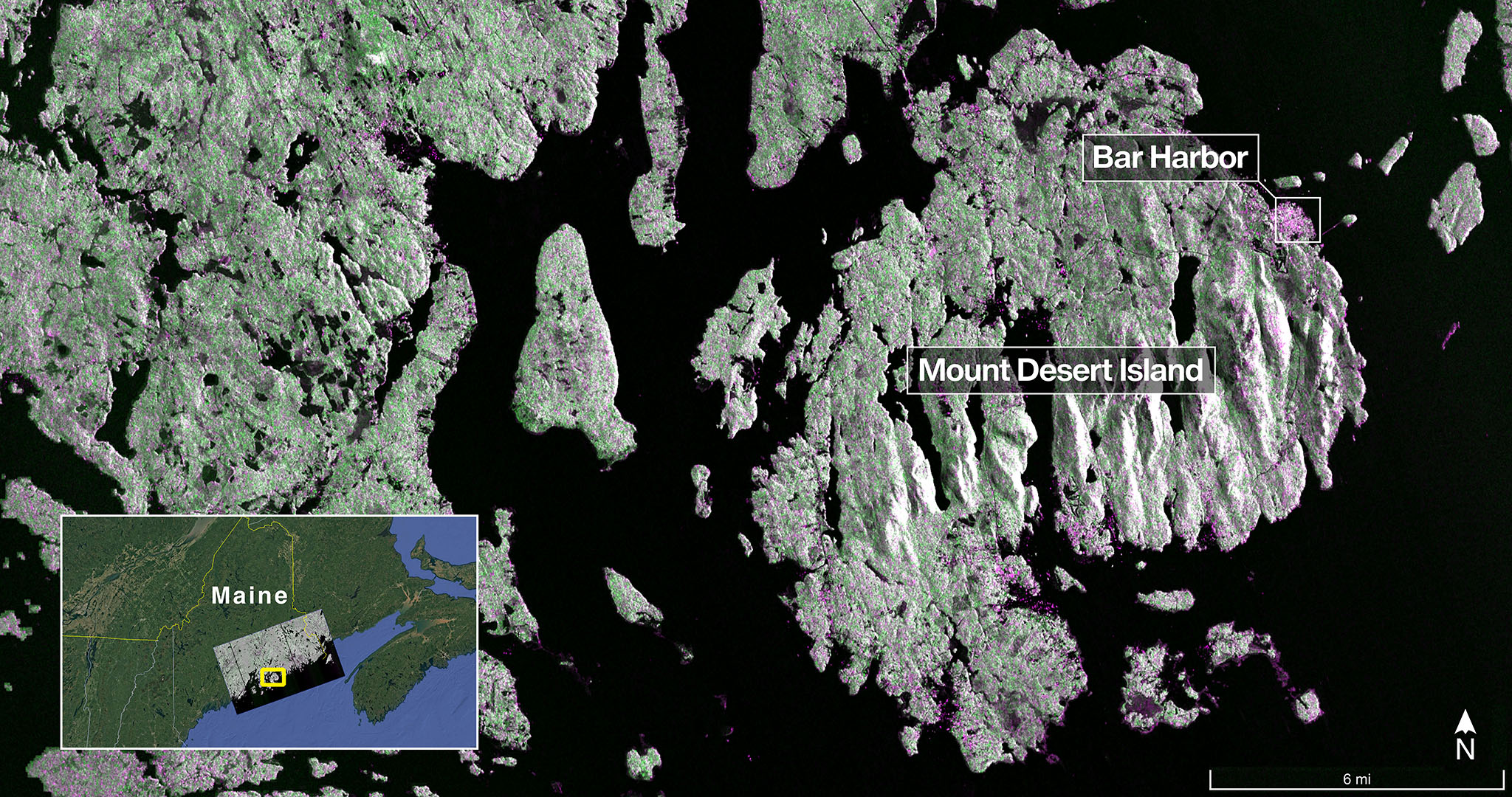
NASA and ISRO's joint NISAR satellite has captured its first detailed radar images of Earth's surface, demonstrating its capabilities in monitoring land and ice surfaces for applications like disaster response and environmental management, with full science operations expected later this year.
NASA and ISRO's joint NISAR satellite has captured its first detailed radar images of Earth's surface, demonstrating its capabilities in monitoring land and ice surfaces for applications like disaster response and environmental management, with full science operations expected later this year.
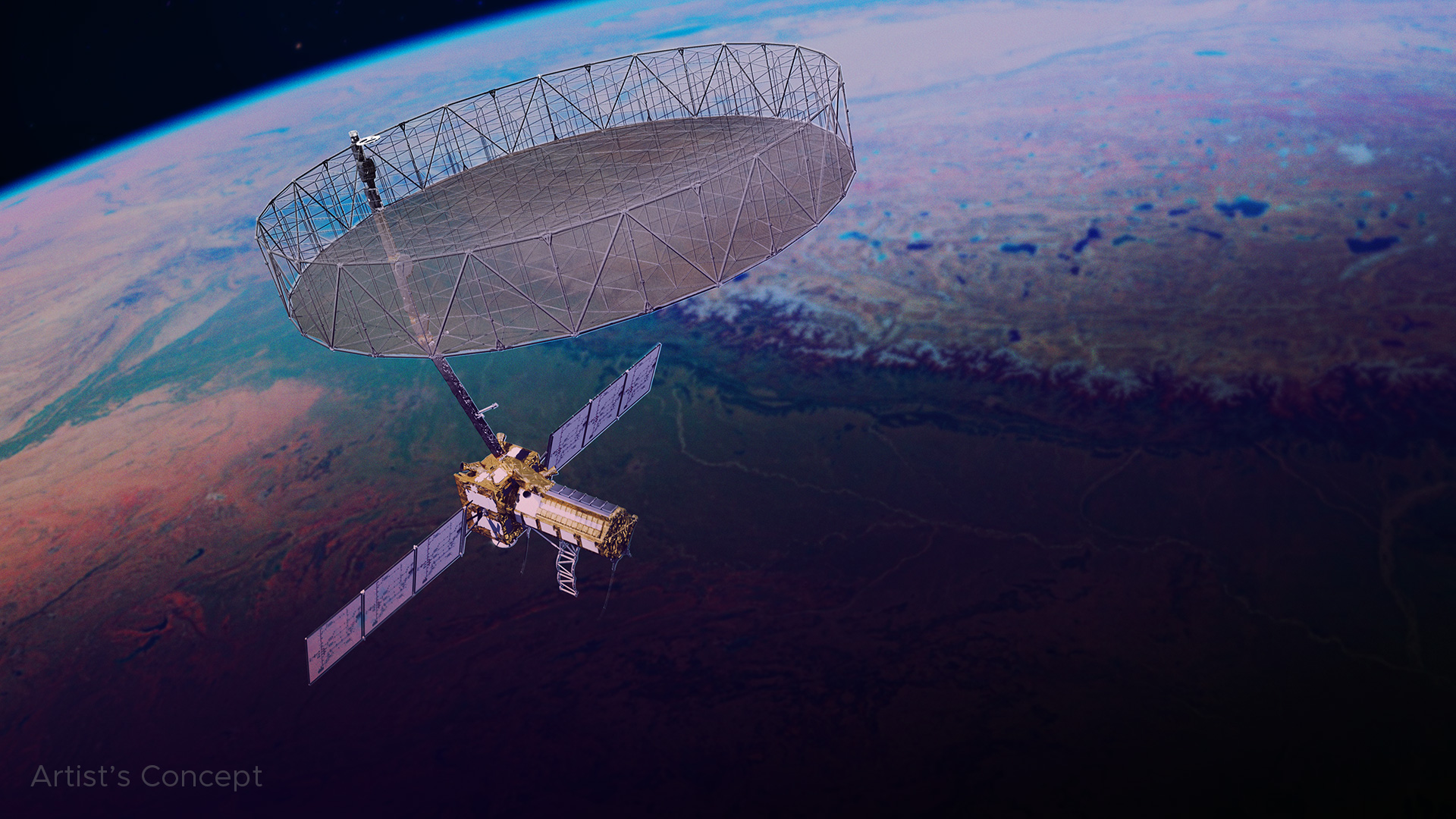
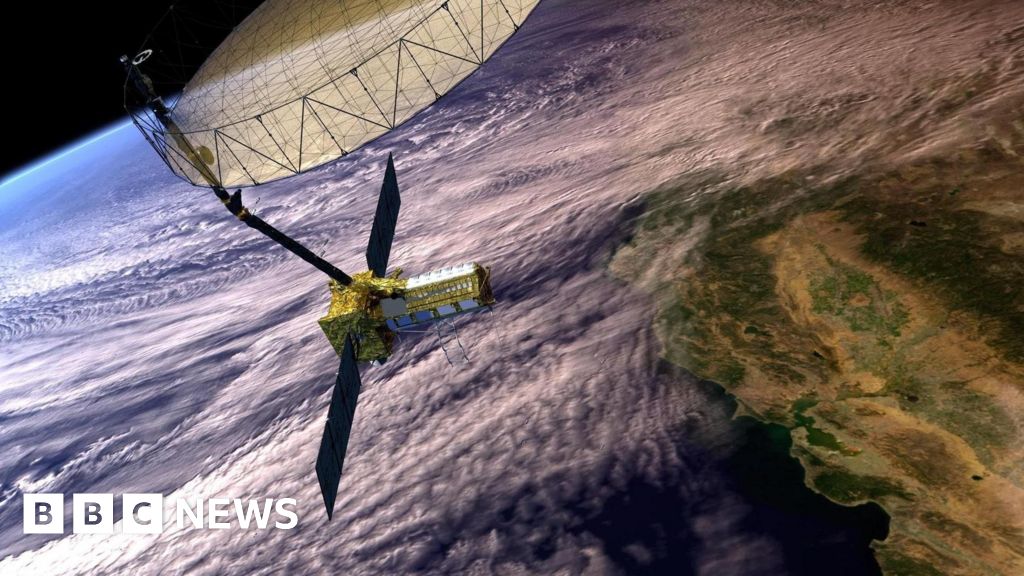
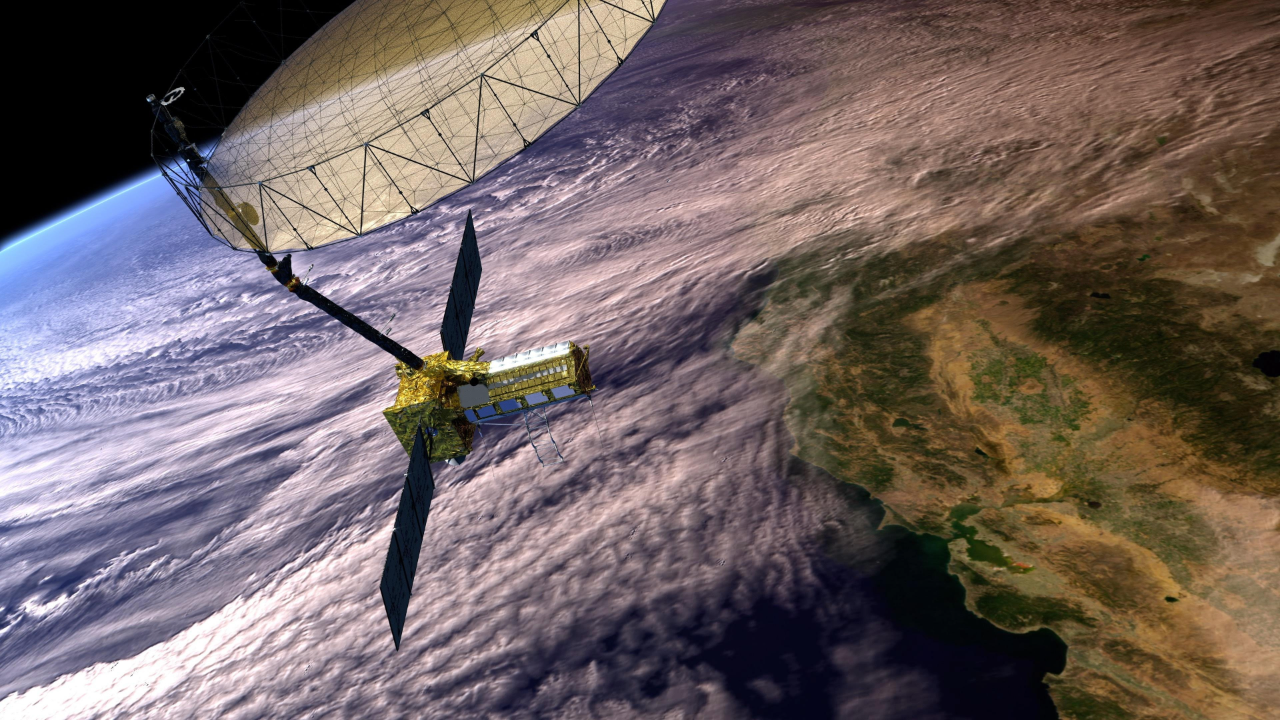
The NISAR satellite, a collaboration between NASA and ISRO, successfully deployed its giant 39-foot radar antenna reflector in orbit, marking a significant milestone. This advanced radar system will monitor Earth's surface changes, aiding in disaster response, climate research, and ecosystem management, with the deployment enabling high-resolution imaging crucial for scientific and practical applications.
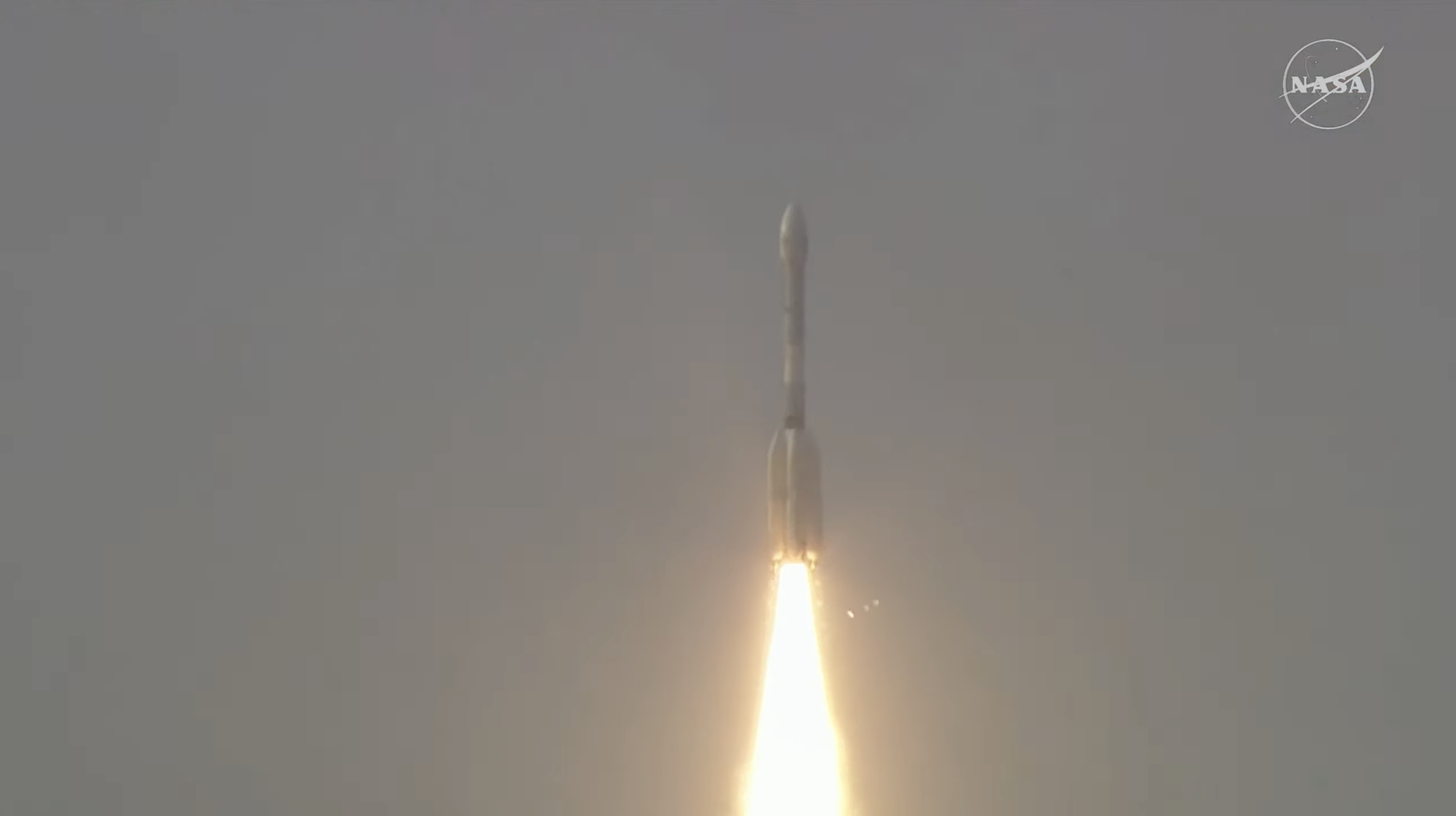
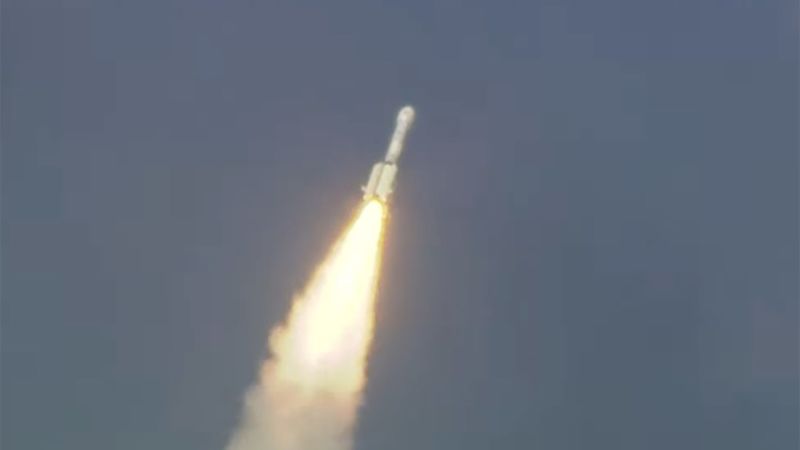
The NASA-ISRO NISAR satellite, equipped with advanced radar systems to monitor Earth's surface changes, was successfully launched from India, marking a significant international collaboration to enhance understanding of Earth's dynamic land and ice surfaces for disaster response, environmental monitoring, and scientific research.
Indian and US space agencies launched the Nisar satellite, a sophisticated radar system capable of detecting minute changes on Earth's surface, to aid in disaster preparedness and climate change monitoring, marking a significant milestone in international space collaboration.
NASA and ISRO launched the NISAR satellite, a groundbreaking joint mission equipped with dual radar systems to monitor Earth's surface with high precision, aiming to improve disaster response and understanding of natural phenomena.
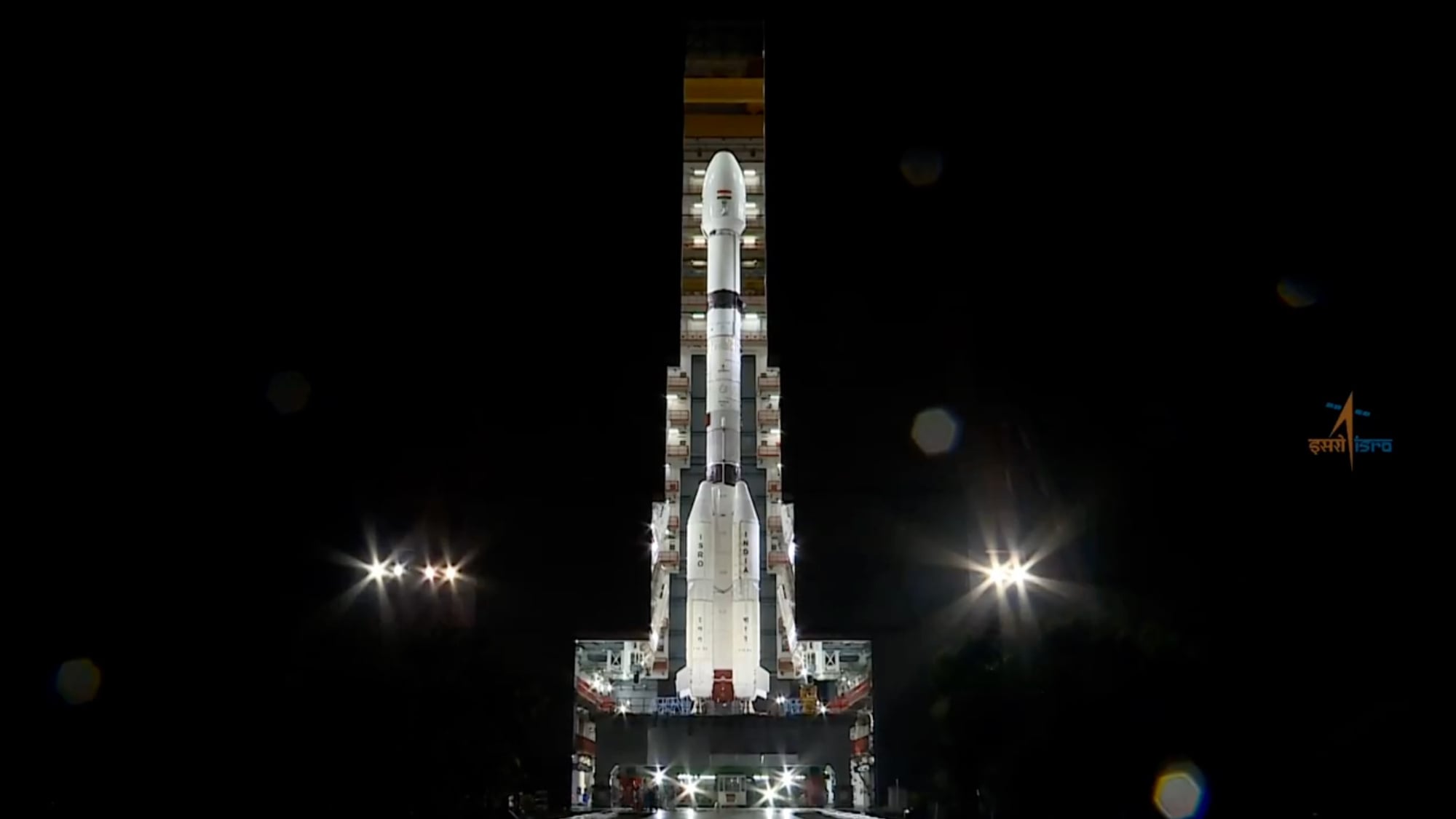
A joint NASA and ISRO project is set to launch the advanced Earth-observing satellite NISAR on July 30 using India's GSLV Mk II rocket, aiming to monitor land, ice, and ocean changes with high precision to aid natural hazard prediction and resource management.
India's ISRO has prepared the U.S.-Indian NISAR Earth-observing satellite for launch on July 30, a joint NASA-ISRO project that will study Earth's land, ice, and oceans using synthetic aperture radar from orbit, aiming to improve understanding of land deformation, ecosystems, and oceanic regions.