
1910 Comet Panic: How Spectroscopy Misled the Public
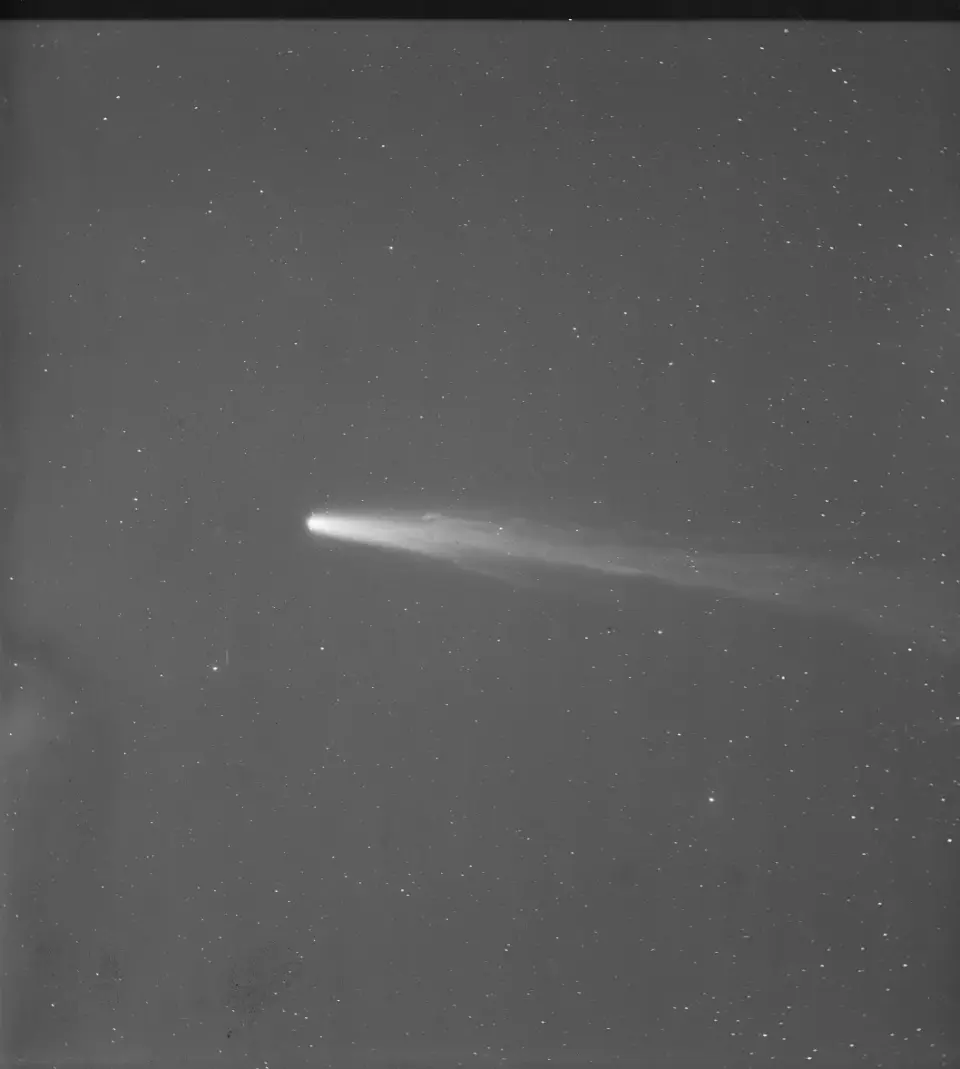
In 1910, Earth passed through Halley’s Comet tail without harm, despite widespread panic over detected cyanogen gas. The tail was too diffuse to pose a threat, exposing a gap between detection and risk.
Key points
- Earth crossed Halley’s Comet tail on May 18–19, 1910, with no harmful effects detected.
- Astronomers identified cyanogen in the tail via spectroscopy in February 1910, sparking public fear.
- The tail’s extreme dilution meant the gas concentration was too low to cause harm, despite its toxicity.
- Entrepreneurs sold anti-comet pills, inhalers, and insurance, exploiting public anxiety.
- The event highlighted the difference between detecting a substance and assessing its actual risk.
Background
Halley’s Comet returns every 75–76 years; its 1910 appearance was the last before the 2061 return, which is expected to offer better viewing conditions. The 1910 event also generated meteor showers like the Eta Aquariids, caused by debris from the comet.
Why it matters
The 1910 panic illustrates how scientific detection can be misinterpreted without context, leading to public fear and commercial exploitation. It underscores the importance of understanding concentration and scale in risk assessment, a lesson still relevant in modern science communication.
What to watch
No immediate follow-up is expected, as the 1910 event is historical. The next major Halley’s Comet return is in 2061, which may offer better viewing opportunities but is not expected to trigger similar panic due to improved scientific understanding.
Want the full story? Read the original reporting
Read on Space Daily