
40,000-Year-Old Microbes Reawaken in Alaskan Permafrost, Stir Climate Implications
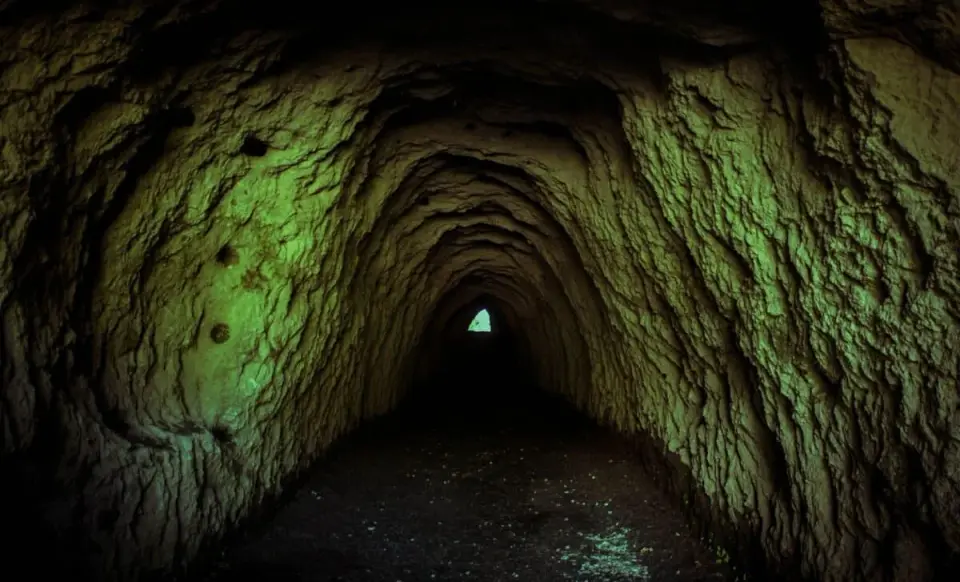
TL;DR
Scientists thawed 40,000-year-old microbes from an Alaska permafrost tunnel and found them awakening after six months, forming biofilms and indicating life can resume after long dormancy; this slow reactivation could release carbon dioxide and methane as permafrost thaws, complicating climate models.
- Scientists Found 40,000-Year-Old Frozen Microbes in an Alaska Tunnel...Six Months Later, They Became Active Again The Daily Galaxy
- Scientists revive ancient 24,000-year-old ‘zombie worm’ from Arctic ice — then it reproduced Fox News
- Scientists revive 24,000-year-old rotifer from Siberian permafrost that resumed reproduction NewsBytes
- A worm frozen for an impressive 46,000 years in Siberia returns to life in a laboratory, reproduces after the Neanderthal era, and reveals an unbelievable scientific phenomenon that could change everything we know about survival on Earth and beyond. CPG Click Petróleo e Gás
- A ‘Zombie Worm’ Came Back to Life After 24,000 Years and Started Multiplying VICE
Want the full story? Read the original reporting
Read on The Daily Galaxy