Tag

Permafrost

All articles tagged with #permafrost

Ancient rotifer revived from 24,000-year freeze and begins reproducing
science1 month ago

Ancient rotifer revived from 24,000-year freeze and begins reproducing

Scientists thawed a 24,000-year-old rotifer preserved in Siberian permafrost, revived it under strict lab conditions, and observed renewed metabolism and asexual reproduction, showing that multicellular life can endure cryptobiosis for millennia. The finding has implications for biotechnology and astrobiology, though researchers caution that revival of larger animals is unlikely.

24,000-Year-Old Rotifer Revived From Siberian Permafrost Demonstrates Cryptobiosis Longevity
science1 month ago

24,000-Year-Old Rotifer Revived From Siberian Permafrost Demonstrates Cryptobiosis Longevity

Scientists thawed a 24,000-year-old rotifer from Siberian permafrost, revived it under controlled conditions, and observed asexual reproduction, showing that multicellular life can endure cryptobiosis for tens of thousands of years; while promising for biology and astrobiology, experts caution that revival of larger organisms is unlikely and thawing permafrost raises environmental and health questions.

Ancient Arctic Rotifer Brought Back to Life and Reproduces, After 24,000 Years
science1 month ago

Ancient Arctic Rotifer Brought Back to Life and Reproduces, After 24,000 Years

Scientists thawed a 24,000-year-old rotifer from Siberian permafrost, observed it resume normal function, and even reproduce asexually, marking a milestone in showing multicellular life can survive cryptobiosis under extreme cold. The work suggests longevity of cellular structures in long-term frozen states and has implications for biology and astrobiology, though experts caution that revival of larger organisms is unlikely.

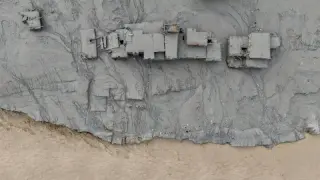
Arctic Seafloor Ice Is Forming Now, Redrawing Permafrost Maps
science1 month ago

Arctic Seafloor Ice Is Forming Now, Redrawing Permafrost Maps

Scientists using MBARI surveys found that submarine permafrost beneath the Canadian Beaufort Sea is actively forming ice and melting due to geothermal heat, creating rising mounds and fresh craters in the seafloor and revealing that Arctic submarine permafrost is not ancient or static, a finding with implications for infrastructure and methane risk in the region.

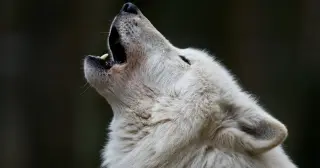
Wolf’s last meal reveals woolly rhino genome, reframing Ice Age extinction
science4 months ago

Wolf’s last meal reveals woolly rhino genome, reframing Ice Age extinction

Scientists sequenced the woolly rhinoceros genome from tissue preserved in a 14,000-year-old wolf pup’s stomach in Siberian permafrost, marking the first time a genome has been reconstructed from inside another animal. By comparing this genome with other woolly rhino fossils and the Sumatran rhino, researchers found the species remained genetically stable until climate warming ended the last Ice Age, suggesting environmental change—not human hunting—drove extinction. The wolf pups likely died when their den collapsed, and the preserved stomach contents also offer a broader view of their ecosystem.

Woolly Rhino Genome Discovered Inside Ice-Age Wolf Pup
science4 months ago

Woolly Rhino Genome Discovered Inside Ice-Age Wolf Pup

In Siberian permafrost, scientists recovered a chunk of woolly rhinoceros tissue inside the stomach of one of two mummified Tumat wolf pups, enabling the first full genome of an Ice Age animal reconstructed from inside another Ice Age animal. The rhinoceros died about 14,400 years ago; its genome shows healthy genetic diversity up to near extinction, supporting climate change as the key driver of its demise rather than inbreeding. The finding highlights the value of preserved ancient DNA for understanding past ecosystems and informs conservation lessons for modern species facing warming and human pressures.

Wolf's Last Meal Unlocks Woolly Rhino Genome, Tracing Rapid Ice-Age Extinction
science4 months ago

Wolf's Last Meal Unlocks Woolly Rhino Genome, Tracing Rapid Ice-Age Extinction

Scientists sequenced a full woolly rhino genome from the stomach of a 14,400-year-old wolf pup, revealing a genetically healthy population with low inbreeding before a rapid extinction likely caused by late Ice Age warming; comparison with an older rhino genome suggests the end came quickly after climate change, offering insights for modern biodiversity crises.

Digested Woolly Rhino DNA From Wolf Cub Sheds Light on a Sudden Extinction
science4 months ago

Digested Woolly Rhino DNA From Wolf Cub Sheds Light on a Sudden Extinction

Scientists decoded the woolly rhinoceros genome from a piece of tissue found in the stomach of a two‑month‑old wolf cub preserved in Siberian permafrost, marking the first time an ice-age genome has been retrieved from meat inside another animal. Comparisons with older rhino genomes show the population was large and stable before a rapid extinction about 300–400 years earlier, likely driven by abrupt warming during the late glacial period rather than prolonged hunting. The find, along with a second wolf cub at the same site, highlights a complex late‑Pleistocene ecosystem and provides a new genetic window into how these animals disappeared.