Tag

Biofilms

All articles tagged with #biofilms

Wild tormentil uncovers plant compounds that fend off superbugs and boost antibiotics
health2 days ago

Wild tormentil uncovers plant compounds that fend off superbugs and boost antibiotics

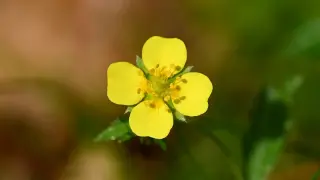
A study screening bogland plants found tormentil (Potentilla erecta) extracts to be antimicrobial, to limit biofilm formation, and to enhance the effectiveness of the last-resort antibiotic colistin when used together, via compounds like ellagic acid and agrimoniin that appear to work by iron chelation; this highlights plant compounds as sources of new antimicrobials and antibiotic adjuvants amid rising antimicrobial resistance.

Microplastics fuel global spread of antibiotic‑resistant bacteria via biofilms
environment23 days ago

Microplastics fuel global spread of antibiotic‑resistant bacteria via biofilms

A Plymouth Marine Laboratory–Exeter study shows microplastics act as mobile surfaces for microbial communities, forming dense biofilms (the Plastisphere) that carry antibiotic‑resistance genes and potentially resistant pathogens. These plastics can transport microbes from hospital wastewater to rivers and oceans, with downstream and marine environments showing higher resistance gene levels, especially on polystyrene and nurdles. The findings highlight the need for closer monitoring of microplastics, reducing plastic pollution, and careful handling during beach cleanups to protect ecosystems and human health.

Origins Reimagined: Life May Have Begun in a Primordial Gel
science1 month ago

Origins Reimagined: Life May Have Begun in a Primordial Gel

Researchers propose that life began in prebiotic gels—soft, structured matrices on early Earth that fostered chemical evolution toward protocells, via either phase separation or proto-films, within a protective, biofilm-like environment that shielded and shared resources. This gel-first view broadens the search for alien life to gel-based structures and challenges the traditional cell-first narrative.

Underground Fukushima Microbes Survive in Biofilm Shields, Challenging Decommissioning
science2 months ago

Underground Fukushima Microbes Survive in Biofilm Shields, Challenging Decommissioning

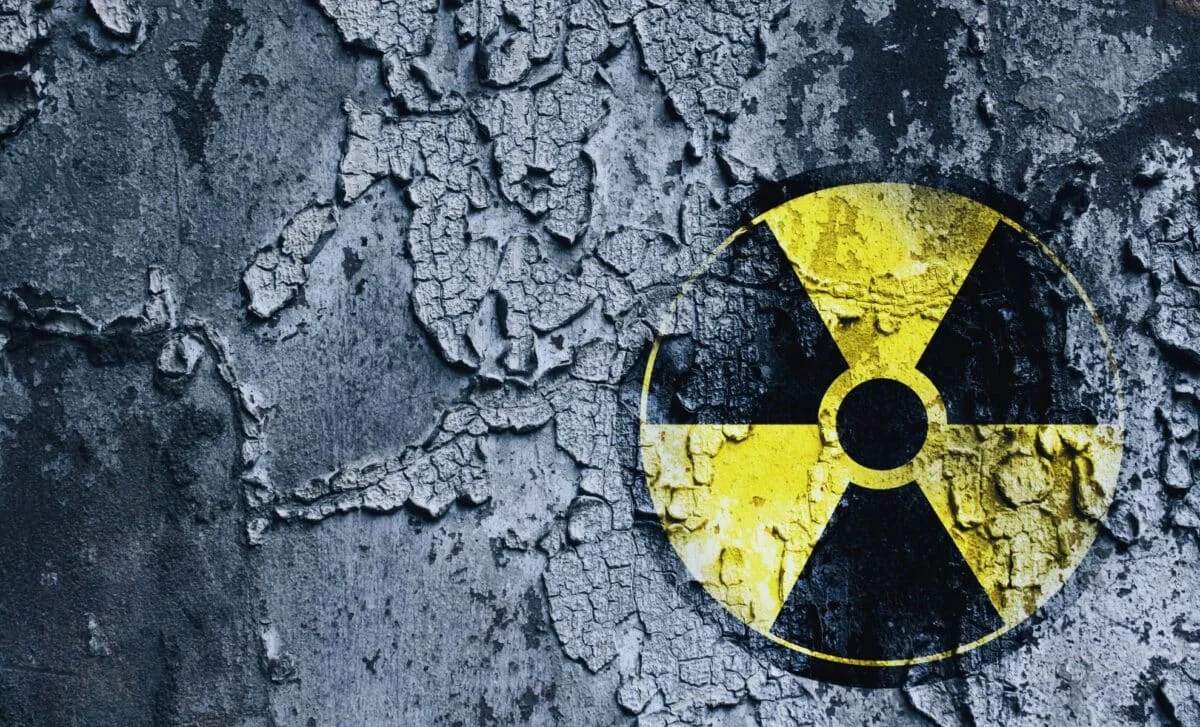
Researchers studying water beneath Fukushima’s reactors found bacteria thriving in radioactive conditions not thanks to classic radiation resistance but likely because protective biofilms form on metal surfaces; some microbes can cause metal corrosion, complicating cleanup efforts, and scientists speculate marine bacteria may have ridden in with the 2011 tsunami, revealing unexpected life in extreme environments.

Arginine in Saliva May Turn Mouth Biofilms from Detrimental to Protective
science2 months ago

Arginine in Saliva May Turn Mouth Biofilms from Detrimental to Protective

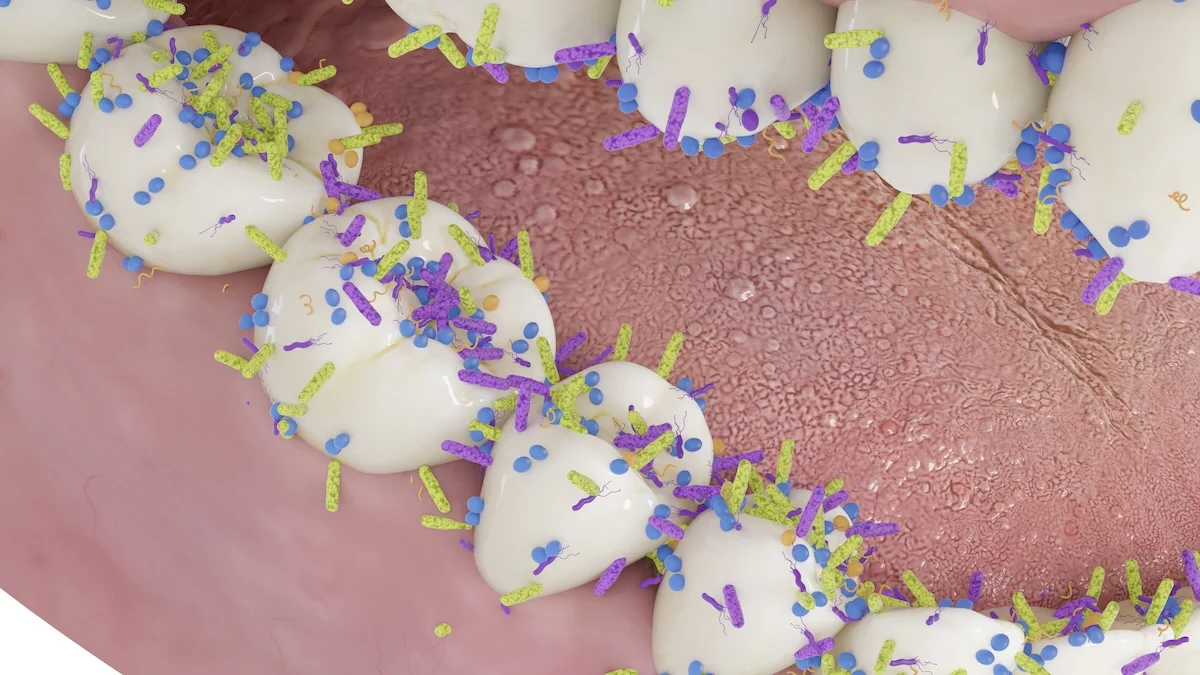
A Danish study from Aarhus University suggests that increasing arginine levels in saliva can shift mouth biofilms from acid-producing to protective, reducing tooth decay risk. In a real-world denture-biofilm setup, arginine treatment raised pH after sugar exposure, altered the bacterial and sugar composition, and reduced acid-producing Streptococcus populations, though responses varied among individuals. Arginine appears safe and could be explored as an additive in toothpaste or mouthwash, warranting further clinical research.

Revolutionary Coatings Unlock New Possibilities
technology1 year ago

Revolutionary Coatings Unlock New Possibilities

High-performance coatings are crucial in enhancing the functionality and durability of various technologies, from jet engines to space equipment. These coatings allow materials to withstand extreme conditions, such as high temperatures and low gravity, improving efficiency and reducing costs. Researchers are continuously developing advanced coatings to address challenges like biofilm formation in space and non-stick solutions in manufacturing. However, the effectiveness of coatings can vary, and incorrect applications can lead to significant financial losses.

The Power of Unity: Bacteria's Invincibility
science-and-technology2 years ago

The Power of Unity: Bacteria's Invincibility

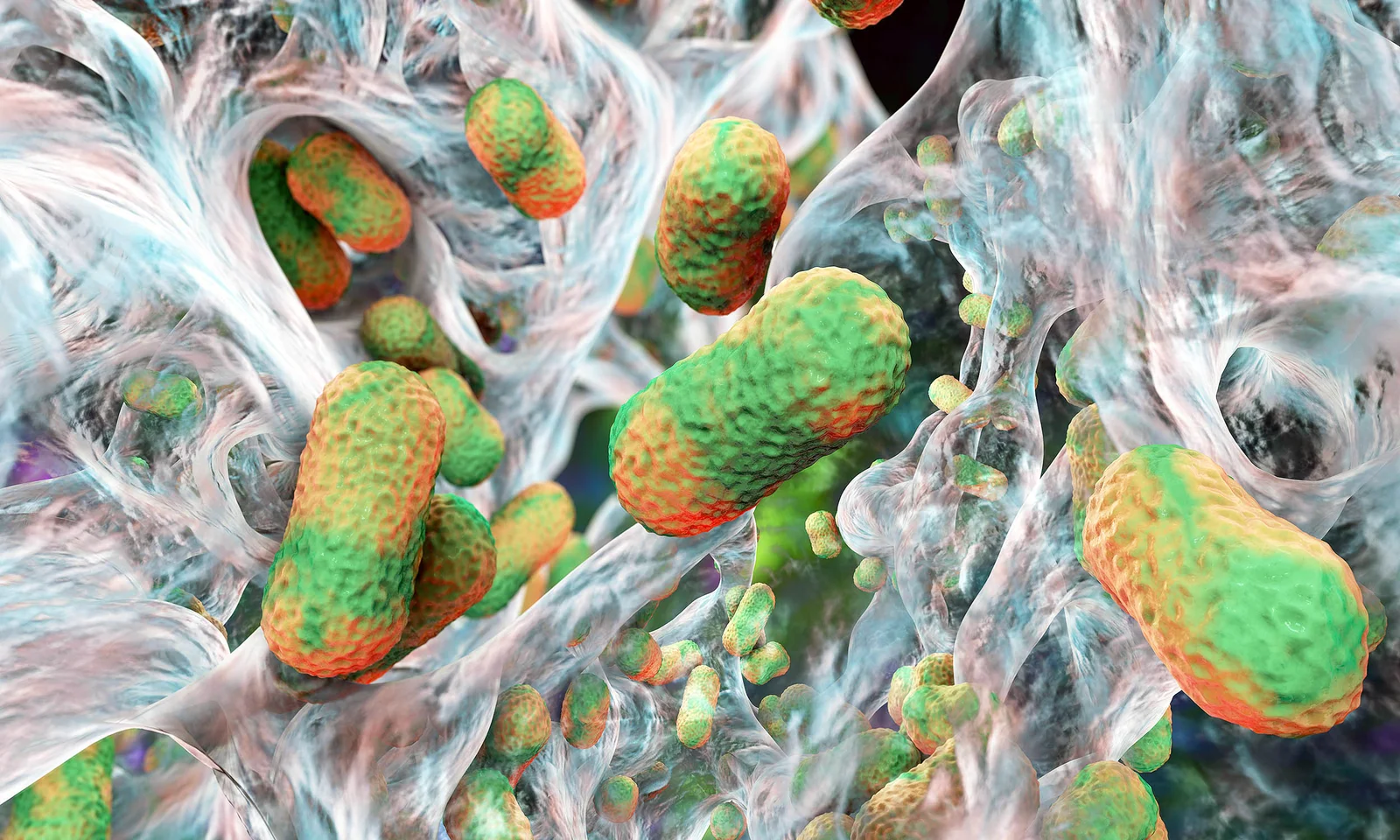
Bacteria often form biofilms, slimy aggregates held together by DNA and proteins, which make them highly resistant to antibiotics and immune cells. Biofilms are responsible for 60% of human bacterial infections and can cause significant economic burdens. Researchers are exploring various strategies to combat biofilms, including the use of bacteriophages, cold plasma, and DNABII-targeting antibodies. These approaches show promise in disrupting biofilms and restoring vulnerability to antibiotics, potentially revolutionizing treatment options for bacterial infections.

"Kombucha Breakthrough: Potential for Life on Mars Revealed"
science-and-technology2 years ago

"Kombucha Breakthrough: Potential for Life on Mars Revealed"

Scientists at the European Space Agency (ESA) have been studying kombucha cultures to assess their resilience in space and have found that they hold great promise for supporting humans on the Moon and Mars. The multi-species mixes of bacteria and yeast in kombucha can form biofilms, which are able to withstand extreme temperatures and radiation. These biofilms could potentially be used to shield organisms during longer space journeys and could also generate oxygen, making them self-sustaining life support systems for space settlements. The study of these microorganisms could also help develop radiation-protection strategies for astronauts and prevent contamination between Earth and other planets.

"Space-bound Microbes Pose Health Risks to Astronauts on the ISS"
science-and-technology2 years ago

"Space-bound Microbes Pose Health Risks to Astronauts on the ISS"

Microbes that hitchhike on astronauts and cargo flights to the International Space Station (ISS) can pose a risk to astronaut health and equipment. These microbes form biofilms, which protect them and allow them to evade the body's defense system. However, a surface treatment using a silicon-based lubricant has shown promise in preventing biofilm formation on ISS surfaces. This solution could be crucial for long-term space missions and also has potential applications in keeping medical devices clean and reducing microbe-driven corrosion on Earth.

"Breakthrough Discovery: Scientists Tackle ISS Fungus Issue"
science-and-technology2 years ago

"Breakthrough Discovery: Scientists Tackle ISS Fungus Issue"

Scientists from the University of Colorado, MIT, and NASA Ames Research Center have discovered a potential solution to the International Space Station's biofilm problem. By covering surfaces with a thin layer of nucleic acids, they were able to prevent bacterial growth and reduce microbial formation by 74% in terrestrial samples and 86% in space station samples. The nucleic acids carried a slight negative electric charge that prevented microbes from sticking to surfaces. However, longer-duration tests are recommended to determine the long-term effectiveness of this method.

"Breakthrough Discovery: Scientists Tackle ISS Fungus Issue"
science-and-technology2 years ago

"Breakthrough Discovery: Scientists Tackle ISS Fungus Issue"

Scientists from the University of Colorado, MIT, and NASA Ames Research Center have developed a method to prevent microbial growth and biofilm buildup on surfaces in the International Space Station (ISS). By covering surfaces with a thin layer of nucleic acids, the researchers found that bacterial growth was significantly reduced. The nucleic acids carried a negative electric charge that prevented microbes from sticking to surfaces. The study showed a reduction of about 74% in terrestrial samples and 86% in space station samples. However, longer-duration tests are recommended for future missions to assess the long-term effectiveness of this method.

Breakthrough Discovery: Natural Molecule Eliminates Plaques and Cavities by 90%
health2 years ago

Breakthrough Discovery: Natural Molecule Eliminates Plaques and Cavities by 90%

Scientists have discovered that a naturally occurring molecule called DIM can reduce biofilms responsible for dental plaque and cavities by 90%. The molecule, also known as bisindole, disrupts the biofilm that coats teeth and prevents the growth of bacteria like Streptococcus mutans. Adding DIM to toothpaste and mouthwash could significantly improve dental hygiene. The molecule also has anti-carcinogenic properties. The research was conducted by scientists from Ben-Gurion University of the Negev, Sichuan University, and the National University of Singapore.

Biofilm Prevention in Space: Innovative Solutions and Promising Results
science-and-technology2 years ago

Biofilm Prevention in Space: Innovative Solutions and Promising Results

Scientists have discovered that a new surface treatment significantly reduces the growth of biofilms, which are mats of microbial or fungal growth that can cause clogs in water processing systems or potential illness in humans. The treatment involves using textured surfaces impregnated with a lubricant, which prevents the adhesion of microbes and the formation of biofilms. The experiment was conducted aboard the International Space Station and showed that the treated surfaces performed even better in space than on Earth. Preventing biofilms will be crucial for future long-duration space missions, and the findings may also have applications in addressing biofilm-related medical issues on Earth.