
Ancient egg fossil rewrites the story of mammal origins
TL;DR
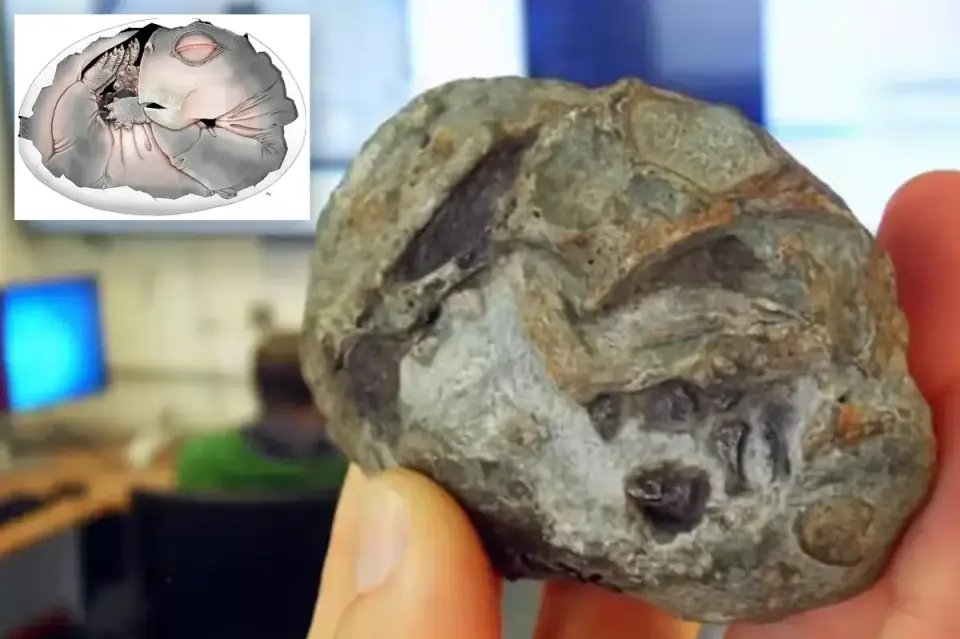
A fossil from Oviston, South Africa, shows the therapsid Lystrosaurus laid eggs about 252–250 million years ago. X-ray analysis revealed an in-egg embryonic beak not yet fused, indicating hatchlings that could break out of a leathery shell, a trait shared with turtles and birds and providing the first strong evidence that mammal ancestors laid eggs. This egg-based reproduction may have helped these creatures survive the Great Dying and reshapes our understanding of mammalian origins, alongside today’s egg-laying mammals like the platypus and echidna.
- ‘Thrilling’ embryo fossil discovery upends everything we knew about how early mammals gave birth: ‘Breaks entirely new ground’ New York Post
- Embryo fossil found in South Africa is world's oldest proof that mammal ancestors laid eggs Phys.org
- Ancient survivor reveals its secret: First-ever egg of a mammal ancestor discovered EurekAlert!
- 250-Million-Year-Old Embryonated Dicynodont Egg Found in South Africa Sci.News
- Proto-mammals laid eggs, paleontologists finally confirm Popular Science
Want the full story? Read the original reporting
Read on New York Post