
Tag

Therapsids

All articles tagged with #therapsids

Ancient egg fossil rewrites the story of mammal origins
science1 month ago

Ancient egg fossil rewrites the story of mammal origins

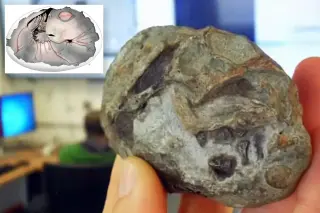
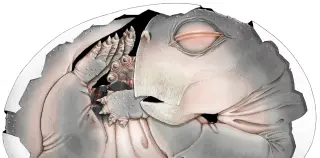
A fossil from Oviston, South Africa, shows the therapsid Lystrosaurus laid eggs about 252–250 million years ago. X-ray analysis revealed an in-egg embryonic beak not yet fused, indicating hatchlings that could break out of a leathery shell, a trait shared with turtles and birds and providing the first strong evidence that mammal ancestors laid eggs. This egg-based reproduction may have helped these creatures survive the Great Dying and reshapes our understanding of mammalian origins, alongside today’s egg-laying mammals like the platypus and echidna.
Oldest fossil egg confirms mammal ancestors laid eggs about 250 million years ago
science1 month ago

Oldest fossil egg confirms mammal ancestors laid eggs about 250 million years ago

Researchers analyzed a 252–250 million-year-old Lystrosaurus fossil egg found in South Africa and, using synchrotron imaging at the ESRF, revealed a curled embryo whose jaw bones suggest it was still in an egg. This proves therapsids (the precursor to mammals) laid eggs (oviparous) rather than giving live birth, offering clues about embryo development, egg size, and survival strategies after the Great Dying. The large, leathery eggs likely reduced desiccation and supported precocial hatchlings, informing our understanding of early mammalian reproduction and the evolution of lactation.

Ancient Apex Predators: Earth's Pre-Dinosaur Bloodthirsty Beasts Revealed
paleontology2 years ago

Ancient Apex Predators: Earth's Pre-Dinosaur Bloodthirsty Beasts Revealed

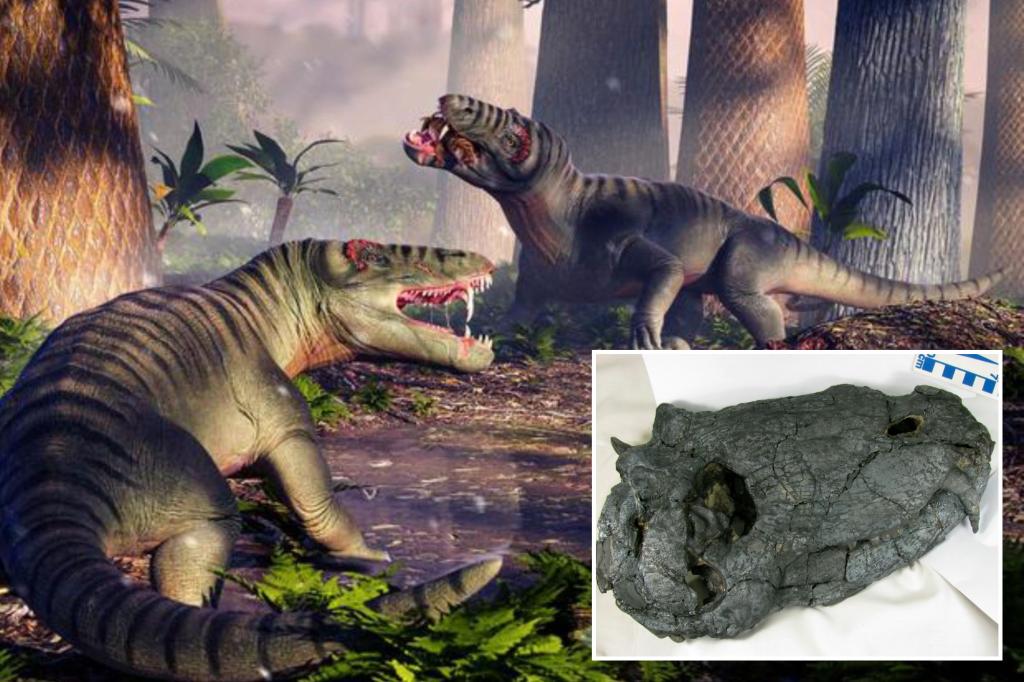
A new archaeological study has revealed the existence of Pampaphoneus biccai, apex predators that dominated the Earth 40 million years before the dinosaurs. The discovery of a nearly complete skull in Brazil provides insight into the community structure of terrestrial ecosystems prior to the largest mass extinction event in history. Pampaphoneus biccai, part of the therapsid family, was the largest terrestrial predator known from the Permian period in South America. These prehistoric beasts had thick cranial bones and were comparable to modern-day big cats in their ecological role.