
Aug 12: Total eclipse and Perseid peak create rare double-header
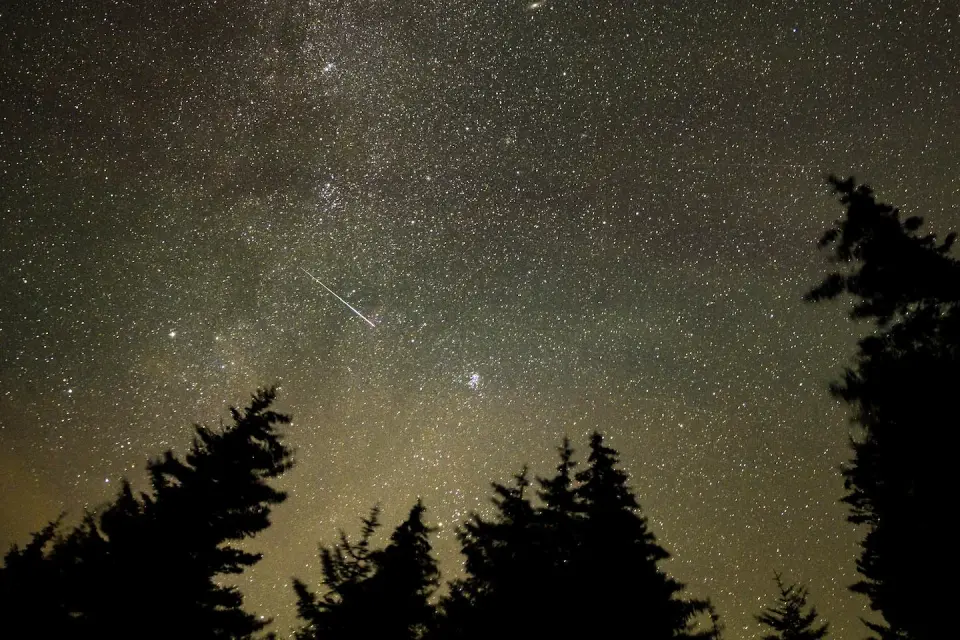
On August 12, 2026, a total solar eclipse and the peak of the Perseid meteor shower coincide. The eclipse path covers eastern Greenland, western Iceland, and Spain, while the meteor shower peaks in early morning hours. The new moon phase ensures dark skies, maximizing visibility for both events.
Key points
- A total solar eclipse will occur on August 12, 2026, across a roughly 180-mile-wide corridor in eastern Greenland, western Iceland, and Spain.
- The Perseid meteor shower peaks on the night of August 12-13, with up to 100 meteors per hour visible under a new moon.
- The coincidence of the eclipse and meteor shower peak is rare, not having occurred since 1999.
- Observers in the eclipse path can potentially see meteors during the brief darkness of totality, though chances are slim.
- The new moon phase eliminates moonlight interference, enhancing visibility for both events.
Background
Previous coverage noted that the August 12, 2026, eclipse and Perseid peak create a rare double-header. The eclipse path includes Greenland, Iceland, Spain, and northern Portugal, with a partial eclipse visible across Europe, the UK, and parts of North America. The Perseid shower, caused by debris from the Swift-Tuttle comet, is active from mid-July to August 23, but peaks on August 12-13. The new moon phase ensures dark skies, ideal for observing both events.
How outlets are covering it
The Washington Post emphasizes the rare overlap of the total solar eclipse and Perseid peak, highlighting the potential to see meteors during the eclipse's twilight. Space.com focuses on the visibility of Perseid shooting stars during the eclipse, noting the new moon's role in enhancing visibility. KATU provides practical viewing tips for Oregon, including peak hours and locations for watch parties. BBC highlights the partial eclipse in the UK and the Perseid peak, noting the 'perfect cosmic coincidence' but cautioning that seeing meteors during the eclipse is unlikely outside the total path.
Why it matters
The coincidence of a total solar eclipse and the Perseid meteor shower peak is a rare astronomical event, offering a unique opportunity for skywatchers. The new moon phase ensures optimal viewing conditions, making this a significant event for astronomy enthusiasts and the public.
What to watch
Skywatchers in the eclipse path should prepare with certified solar glasses for safety. Those outside the path can still enjoy a partial eclipse and the Perseid meteor shower under dark skies. Observers should check local weather forecasts for clear skies and allow 20-30 minutes for eyes to adjust to darkness.
- It may be possible to catch a daytime meteor shower, thanks to a solar eclipse The Washington Post
- Will Perseid shooting stars be visible during the Aug. 12 total solar eclipse? Space
- Hundreds of meteors will soon paint the sky: peak hours & where to watch in Oregon KATU
- Is there a meteor shower in NC? Perseid Meteor Shower 2026: August summer light show should peak midweek; best times to watch ABC11 News
- Perseid meteor shower reaches peak: When and where to catch a glimpse BBC
Want the full story? Read the original reporting
Read on The Washington Post