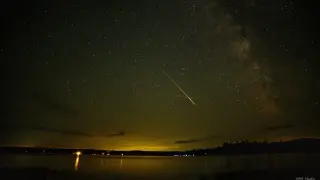
Clear Skies Ahead for Perseid Meteor Shower Viewing
Forecasters expect much clearer skies Thursday night and likely Friday night, improving viewing conditions for the Perseid meteor shower according to local meteorologist Peter Hall.

All articles tagged with #perseid meteor shower
Forecasters expect much clearer skies Thursday night and likely Friday night, improving viewing conditions for the Perseid meteor shower according to local meteorologist Peter Hall.
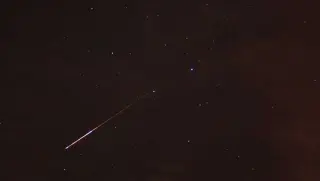
The Perseid meteor shower peaks overnight in New Hampshire during a new moon, providing a moon-free sky and the potential for dozens of meteors per hour. For best viewing, find a dark open area away from city lights; clouds could briefly interrupt viewing around 11 p.m. and 2 a.m., but conditions should clear toward dawn, and the shower can be visible in the days surrounding the peak.
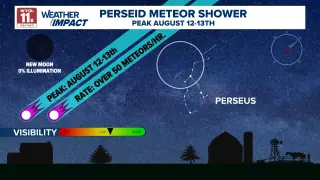
The Perseid meteor shower peaks overnight into early Thursday morning, with the best viewing after midnight through dawn on Aug. 13 under a new moon that won’t wash out the sky. Observers in dark, rural areas could see up to 50 meteors per hour as debris from Comet Swift–Tuttle burns up in Earth’s atmosphere; the meteors radiate from the Perseus constellation and travel about 37 miles per second, often showing colored trails that reveal the meteors’ composition (red from nitrogen/oxygen, orange from sodium, yellow from iron, green from magnesium, blue from magnesium/calcium, and purple from calcium/nitrogen). If you miss the peak, glimpses may continue through Aug. 24.**
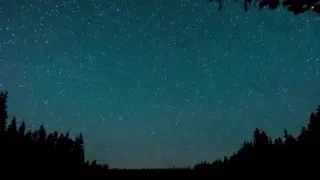
The Perseid meteor shower will peak overnight into Thursday morning in Northern California, with patchy clouds possibly obscuring view; viewing is best Thursday night before dawn. Local stargazing spots include the Community Observatory in Placerville (10 p.m.–1 a.m., free admission, $2 parking), the El Dorado Trail parking lot near Placerville, Ice House Observation off Ice House Road near Highway 50, and vista points along Highway 20 between Nevada City and I-80/20 interchange. Using a light-pollution map can help you find other good spots.
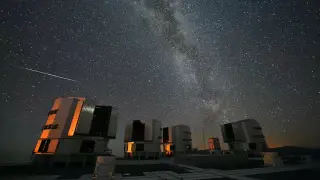
NYC and the tri-state area will see a 9% partial solar eclipse, the Perseid meteor shower peaking in the predawn hours, and a parade of six planets in the predawn sky, weather permitting and away from city lights. For best views, seek dark locations before sunrise and use safe viewing methods for the eclipse; the event will offer a rare, multi‑part celestial display across a single morning.
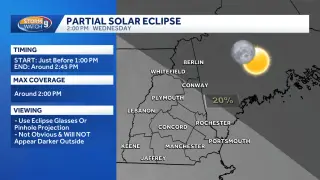
New Hampshire will see a partial solar eclipse (about 16–20% of the sun obscured) Wednesday afternoon, with viewing and eye-safety reminders. The Perseid meteor shower peaks overnight Wednesday into Thursday, aided by a new moon for darker skies and potentially dozens of meteors per hour, best viewed from a dark, open location away from city lights; clouds could affect viewing, especially around late evening to early morning.
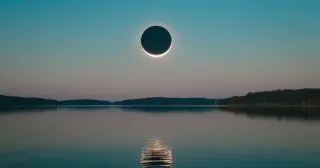
On August 12, 2026, a total solar eclipse will sweep Greenland, Iceland and northern Spain, with up to 2 minutes 18 seconds of totality along a narrow path, followed hours later by the Perseid meteor shower under a moonless sky—a rare double-header that won’t recur on this scale for years. Observers in the path should use certified eclipse glasses for safety, while those outside the path can still enjoy a dramatic reduction of sunlight and a strong meteor show under dark skies.
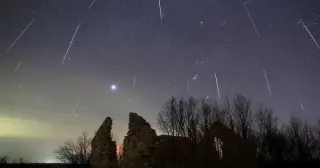
Canadians can expect the peak Perseid meteor shower on Aug. 12–13 and a partial solar eclipse, with debris from Comet Swift-Tuttle lighting up skies as meteors streak at about 59 km/s; best viewing is away from city lights, especially after 10 p.m. to 2 a.m., and Newfoundland and Labrador should offer the clearest eclipse view while Spain and Iceland may have the best global sightlines. Wear eclipse glasses; a long lens can help photograph meteors, but no special equipment is required for the shower.
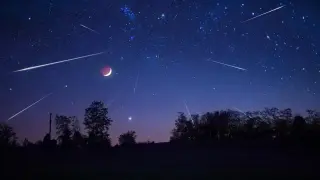
August offers a busy celestial lineup: a total solar eclipse visible from northern Russia, Greenland, Iceland, and northern Spain with a partial view in parts of the United States; the Perseid meteor shower peaks Aug. 12–13 under unusually dark skies due to the New Moon; Venus shines in the western sky Aug. 14–16 at its greatest eastern elongation; and a deep partial lunar eclipse occurs the night of Aug. 27–28 across the Americas, Europe, and Africa. The guide also includes safety tips for solar viewing and tips for watching the Perseids.
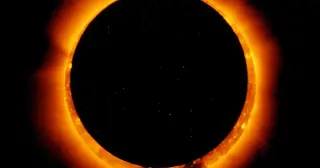
Social media chatter about an impending apocalypse swirls around August 12 as a total solar eclipse, the peak of the Perseid meteor shower, and a six-planet planetary parade are set to unfold within hours of each other; scientists say there’s no evidence of catastrophe and the alignment is simply a coincidence.
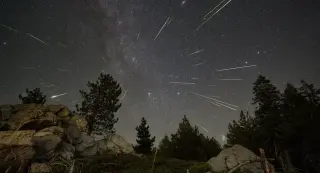
August delivers prime stargazing: the Perseid meteor shower peaks Aug. 12–13 with up to about 100 meteors per hour in ideal dark locations, though New York City-area viewing will be dimmed by light pollution to roughly half that rate. A partial solar eclipse (~10% in NYC) will occur around Aug. 12, best viewed with eclipse glasses, followed by a 96% lunar eclipse on Aug. 27 visible from New York with no special glasses needed. The Milky Way and summer constellations like Scorpius will also be prominent, making August the standout month for skywatching; events like a Brooklyn Bridge Park viewing are planned, and there’s even a Reykjavik eclipse party hosted by Bjork.
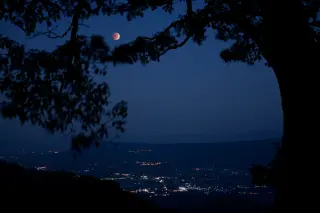
This August Skywatch previews partial solar and lunar eclipses visible in the DC region, highlights peak Milky Way viewing after dark, and notes the Perseid meteor shower, with safety tips for eclipse viewing, photography suggestions, and a calendar of local space events and activities.
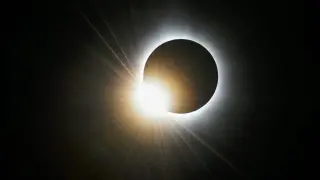
A total solar eclipse will take place on Aug. 12, 2026, with totality visible along a path across Greenland, Iceland, northern Russia, Spain, and parts of Portugal and the Atlantic; the U.S. will only see a partial eclipse (Alaska to North Carolina), while Canada, Europe and northwestern Africa will also view partials. The Perseid meteor shower peaks the following night. To view safely, wear ISO 12312-2 eclipse glasses or solar viewers and avoid looking at the Sun except during totality; test glasses first and plan travel if you want to witness totality in person.
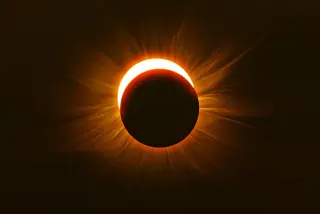
On August 12, 2026, a daytime total solar eclipse will be visible in parts of Europe and Greenland (with a partial eclipse elsewhere in Europe and North America), followed by the Perseid meteor shower at night; the guide explains where to watch, safety tips for viewing the Sun with certified eclipse glasses, and how to observe meteors under dark skies to enjoy both events in one evening.
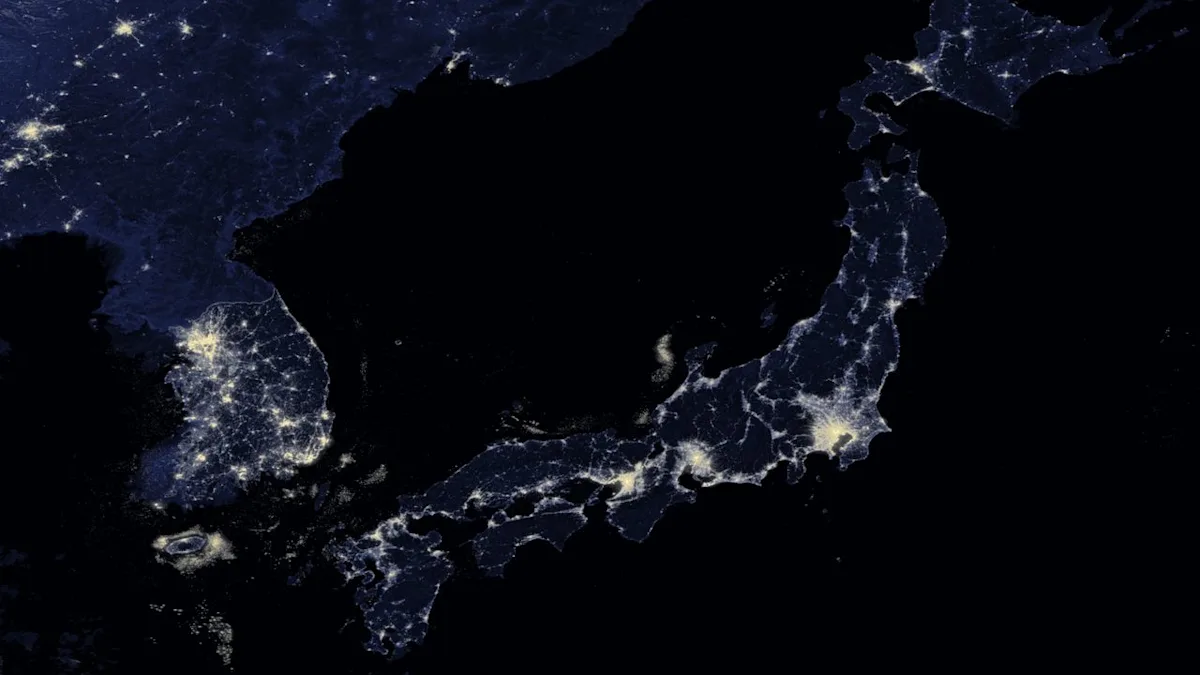
A bright fireball streaked across the skies over Japan on August 19, turning night into day briefly, and was captured on multiple cameras. The event, possibly linked to the Perseid meteor shower or a sporadic meteor, featured green-blue flashes and a final orange-red flare before fragmenting over the Pacific Ocean.