
New Fossils Reveal Homo Antecessor Cannibalized Adults, Not Just Children
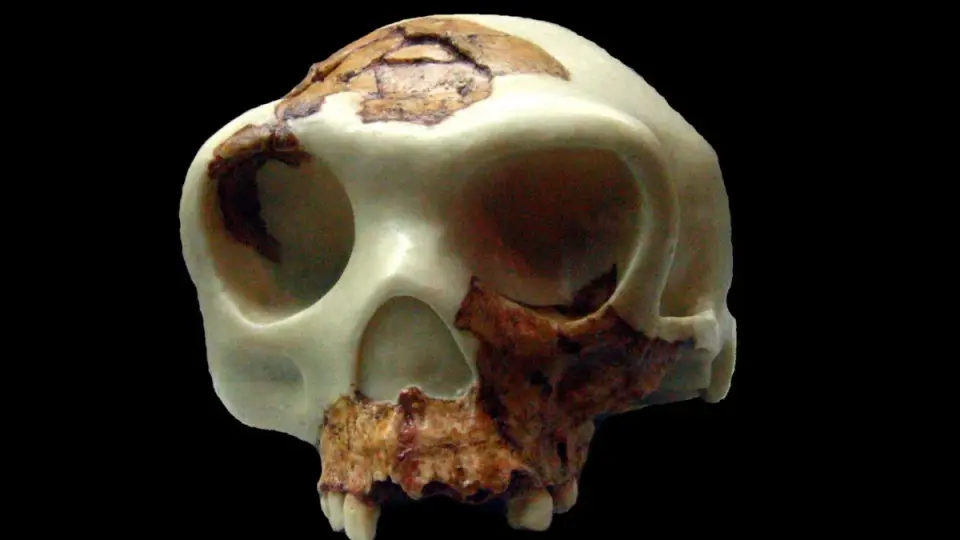
Archaeologists in Spain have uncovered 24 new fossils of Homo antecessor, an ancient human relative, at the Gran Dolina site. The discovery includes bones from six adults bearing cut marks and bite marks, challenging the previous consensus that cannibalism among this species primarily targeted children. This finding suggests cannibalism was a more widespread practice across the demographic structure of these prehistoric groups.
Key points
- Researchers from the Catalan Institute of Human Paleoecology and Social Evolution (IPHES) announced the discovery of 24 new Homo antecessor fossils at the Gran Dolina site in Spain.
- The new fossils include bones from six adult individuals that show clear signs of butchering, such as cut marks from stone tools and human bite marks.
- Previous findings at the site, particularly from 2010 and 2012, indicated that cannibalism mostly involved children and infants, leading to theories that it was used to defend territories or eliminate rivals.
- The discovery of adult remains with similar marks suggests that cannibalism was not limited to the most vulnerable members of the group but was a more widespread practice.
- The excavation also yielded stone tools and animal remains, providing a more complete picture of the demographic structure and lifestyle of Homo antecessor 850,000 years ago.
Background
Homo antecessor is one of the oldest known human relatives in Europe, with fossils dating back approximately 850,000 years. Previous studies at the Gran Dolina site in Spain had focused heavily on juvenile and infant remains, leading researchers to hypothesize that cannibalism was primarily directed at young individuals. This new discovery expands the understanding of the species' behavior and social organization.
How outlets are covering it
Gizmodo and Live Science both emphasize the significance of the new adult fossils in challenging the previous narrative that cannibalism was limited to children. UA.NEWS highlights the broader implications for understanding the social context and duration of these practices. All sources agree that the new findings provide a more representative view of the demographic structure of Homo antecessor, but they differ in their emphasis on the specific details of the butchering marks and the potential motivations behind the cannibalism.
Why it matters
This discovery reshapes our understanding of early human behavior and social structures. By showing that adults were also subjected to cannibalism, it suggests that these practices were not solely driven by the need to protect the young or eliminate rivals, but may have been a more complex social or cultural phenomenon. This has implications for how we interpret the behavior of other ancient human species and the evolution of human societies.
What to watch
Researchers will continue to analyze the newly discovered bones to determine the causes, duration, and social context of the cannibalistic episodes. Further excavations at the Gran Dolina site may yield more fossils and artifacts that could provide additional insights into the lifestyle and social organization of Homo antecessor.
- Archaeologists Thought These Early Cannibals Mostly Ate Children. They Were Wrong Gizmodo
- Ancient human relative cannibalized both adults and children in a cave in Spain 850,000 years ago, fossils reveal Live Science
- Cut marks on adult bone show the cannibalism at Gran Dolina 850,000 years ago was not limited to children and adolescents, and 24 new Homo antecessor fossils raise the minimum number of individuals in the Aurora layer to between 13 and 15 ScienceBlog.com
- New Homo antecessor fossils show adults were also victims of cannibalism in ancient Spain Archaeology News Online Magazine
- Bones of adults and children of a human ancestor, showing signs of cannibalism UA.NEWS
Want the full story? Read the original reporting
Read on Gizmodo