
Kuwaiti Photographer Wins 2026 Astronomy Prize with Shark Nebula Capture
Ali Alobaidly won the 2026 ZWO Astronomy Photographer of the Year with his image of the Shark Nebula, captured over 28 hours in Kuwait. The award included £10,000 and recognition for the image's high-quality detail and poetic composition.
Key points
- Ali Alobaidly won the overall prize and the Stars and Nebulae category with his image titled 'The Quiet Predator', depicting the Shark Nebula located 650 light-years away in the constellation Cepheus.
- The winning image was created using hundreds of long exposures totaling more than 28 hours, taken during two nights in the desert of western Kuwait.
- Judge Steve Marsh praised the image for its exquisite nebulosity and consistent quality even at high magnification, noting the silhouette formed by interstellar dust blocking background starlight.
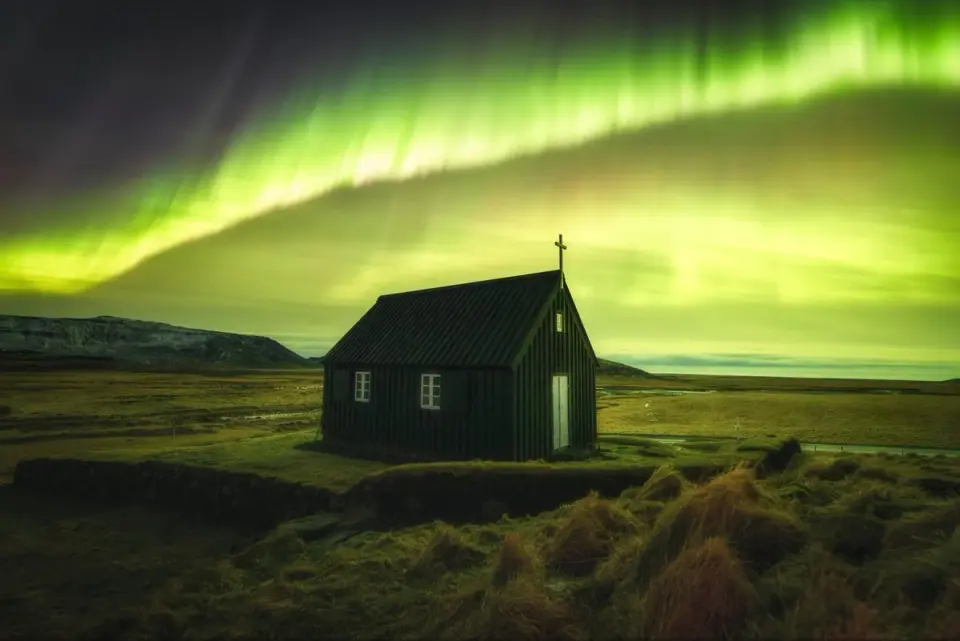
- Other category winners included Miguel Claro for a close-up of Solar Active Region 4122, Radoslav Sviretsov for an aurora image over an Icelandic church, Max Inwood for a photo of ancient petroglyphs in California, and Stefano Pellegrini for star trails over Botswana.
- The winning and category-winning images are currently on display at the National Maritime Museum in Greenwich, London.
Background
This event follows previous years of the ZWO Astronomy Photographer of the Year competition, which has highlighted significant astronomical discoveries and public engagement with space science. Recent space news, such as the launch of the Nancy Grace Roman Space Telescope and ESA's World Space Week initiatives, underscores the growing intersection of professional astronomy and public outreach through visual media.
Why it matters
The award highlights the technical skill and artistic vision required in modern astrophotography, demonstrating how amateur and semi-professional photographers can produce high-quality scientific and artistic images that contribute to public understanding of the universe. The recognition of diverse subjects, from nebulae to aurorae and ancient rock art, reflects the broad appeal and educational value of space imagery.
What to watch
The winning images will be displayed at the National Maritime Museum in Greenwich, London, allowing the public to view the detailed captures that won the 2026 competition. Future editions of the ZWO Astronomy Photographer of the Year will likely continue to showcase a variety of astronomical subjects and techniques.
Want the full story? Read the original reporting
Read on BBC Science Focus Magazine