
Space-observed volcano plume reveals natural methane cleanup
TL;DR
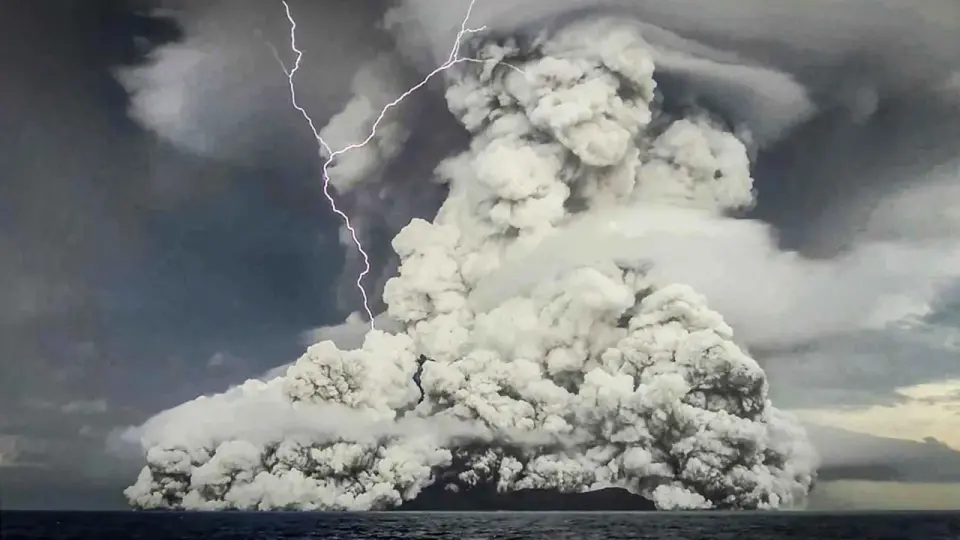
Satellites captured a record-high formaldehyde signal in the Hunga Tonga eruption plume, indicating that chlorine-driven chemistry on iron salt aerosols formed from ash and seawater, energized by sunlight, was destroying methane in the cloud. The eruption released about 300 gigagrams of methane, while the plume was removing roughly 900 megagrams of methane per day, suggesting atmospheric dust from volcanic activity can affect the methane budget and offering a potential blueprint for deliberate methane removal — though safety and feasibility require careful study.
Topics:science#atmospheric-chemistry#formaldehyde#hunga-tonga-hunga-haapai#methane#science#volcanic-plume
- Scientists stunned as volcano cloud starts destroying methane ScienceDaily
- Rapid submarine caldera collapse during the 2022 climactic eruption of Hunga volcano (Tonga) Nature
- KOPRI’s icebreaker Araon maps colossal seafloor flows from Tonga volcano blast DongA Science
- Bathymetric Surveys Reveal Hunga Volcano’s Seafloor Transformation oceannews.com
- Volcanic Tsunami Warning Systems Receive Collapse Signal; No Algorithm Converts It to Alert Tech Times
Want the full story? Read the original reporting
Read on ScienceDaily