
SpaceX Prepares Historic Pad 39A for First Starship Launch
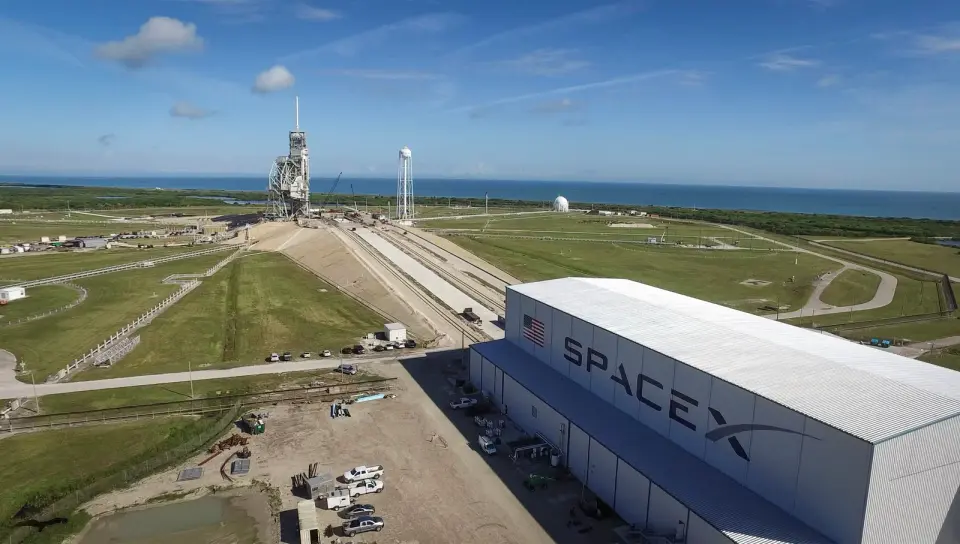
SpaceX is nearing the completion of infrastructure upgrades at NASA’s Kennedy Space Center to enable the first launch of its Starship megarocket from Florida. According to SpaceX, the historic Pad 39A is currently undergoing final acceptance and operational testing, with the new launch tower nearly complete. This move marks a significant expansion of Starship operations beyond its primary Texas base, aiming to increase launch frequency and support future missions to the Moon and Mars.
Key points
- SpaceX is modifying Pad 39A at NASA’s Kennedy Space Center in Florida to accommodate Starship launches, with construction beginning in late 2021.
- Julianna Scheiman, director of NASA science and Dragon programs at SpaceX, stated that the site is 'going super well' and has entered the phase of acceptance and operational testing.
- The new Starship launch tower is nearly complete, featuring 'chopstick' arms designed to catch the returning Super Heavy booster and Ship spacecraft, a key difference from Falcon 9 recovery methods.
- Starship, standing at 408 feet tall, requires specialized infrastructure including new tank farms for its methane-burning Raptor engines, unlike the kerosene-burning Merlins used by Falcon 9.
- This development follows Starship’s first orbital launch on September 28, 2026, from Starbase in Texas, which successfully reached orbit but ended early after three hours.
Background
This development follows SpaceX’s recent milestone of achieving its first orbital launch on September 28, 2026, from Starbase in Texas. The company has also announced a $100 billion launch hub in Louisiana, with the first launch planned for 2029, indicating a broader strategy to expand its launch capabilities across multiple states. The current focus on Florida’s Pad 39A represents a critical step in diversifying launch sites to support increased flight frequency.
Why it matters
The activation of Pad 39A for Starship launches is a pivotal step in SpaceX’s goal to achieve high-frequency, fully reusable spaceflight. By establishing a second major launch site in Florida, SpaceX can increase its operational capacity, reduce turnaround times, and support ambitious missions to the Moon and Mars. This expansion also signals a shift in the global aerospace landscape, with SpaceX moving beyond its Texas base to leverage historic infrastructure for next-generation technology.
What to watch
SpaceX is expected to complete the final activation testing for Pad 39A in the coming months, potentially leading to the first Starship launch from Florida within the next few months. The company will continue to refine its recovery operations and engine systems, while also progressing with its Louisiana launch hub, which is slated for its first launch in 2029.
Want the full story? Read the original reporting
Read on Space